Pnrr, i Comuni sono i principali attuatori: hanno gestito in tutto 24,5 miliardi
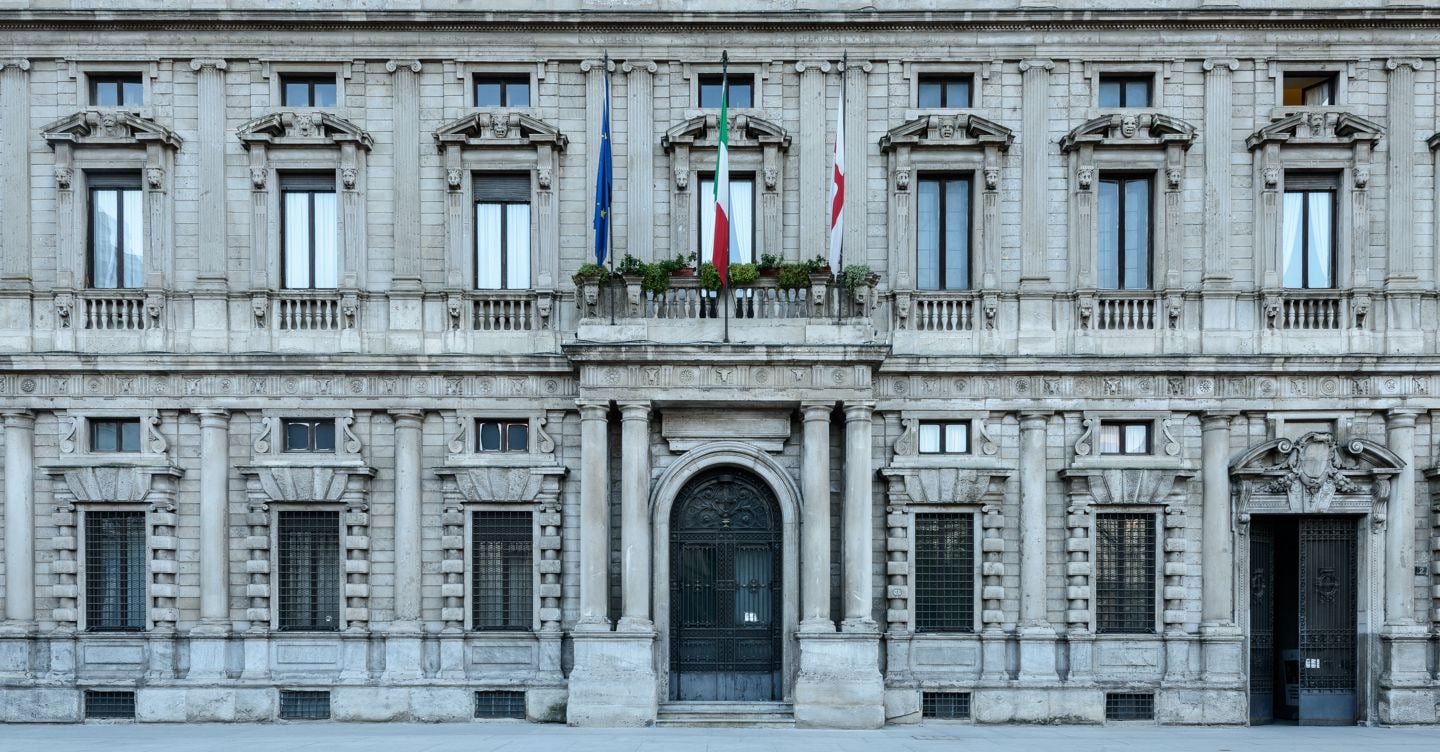
Ultimi aggiornamenti sul Pnrr, a poche settimane dalla fine del piano. Ieri a Palazzo Marino durante una commissione sono stati messi in fila i dati che dimostrerebbero le buone performance...
The Pnrr, which concluded just a few weeks ago, showcased the prominent role played by local governments. Over 24.5 billion were managed by municipalities and large cities, according to data from the Court of Accountancy. Specifically, municipalities handled 83,000+ projects and 24.5 billion, followed by regions and autonomous provinces (35,000+ projects and 19.3 billion). Even the national health system's entities had a stake, managing just over 309 million.
Milan led the way, reaching 95% utilization of funds. After the completion of the Pnrr, attention will shift towards European cohesion funds, the primary support for territorial and urban development from Brussels. Starting January 1, 2028, the new seven-year European programming cycle (2028-2034) will begin, and the competitive landscape will remain open between centralist approaches that see local entities as spending entities, and those advocating for cities to have a significant role in program design through dedicated territorial programs and financially meaningful funding.
The debate will take place in Rome and Brussels, where the European Parliament must introduce binding criteria in regulations, based on requests from the Union's Committee of the Regions. Carmine Pacente, a member of the European Committee of the Regions in Brussels, said, "Either decisions are made in Brussels, or local governments retain full discretion over how they use European funds without any direction."
Returning to Milan, 957 million were spent on about 100 projects, focusing on mobility, culture, and construction. The main intervention was a 249 million investment in electric buses and charging stations. Key challenges revolve around school building construction. "Once the extraordinary plan is concluded, cities, including Milan starting with the next administration, will face a difficult phase due to significant reductions in public funds.
Thus, a political battle is crucial to ensure European funds are sufficient for cities in the years 2028-2034. Negotiations are ongoing in both Brussels and Rome. It is therefore essential to establish mandatory financial reserves for urban development in European regulations and create programs that cities can manage directly, unlike current arrangements - Pacente concluded - but this means programs with significantly more financial resources. Otherwise, the narrative on cities will remain merely rhetorical."
Written by urgent.news from Il Sole 24 Ore's reporting — not their text. Machine-written — may contain errors; check the original before relying on it.