Paleontologists Discover a New Species of Ice Age Toad at the La Brea Tar Pits, Offering Clues About the Area's Ancient Climate
The fossilized remains, recovered in 1929, were part of La Brea's relatively understudied amphibian collection. Since toads are cold-blooded and sensitive to environmental changes, the discovery can help researchers piece together past climate conditions
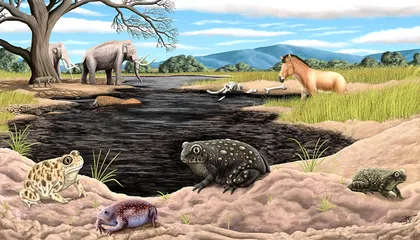
In a discovery published in the Journal of Vertebrate Paleontology on August 4, researchers uncovered a fossil of a previously unknown species of Ice Age toad at the La Brea Tar Pits in Los Angeles. Dubbed Spea labreae, this extinct amphibian is only the second ever found in North America and the first extinct toad discovered at the site.
Study co-author J. Alberto Cruz, a paleoecologist at La Brea and Mexico’s National Institute of Anthropology and History, expressed excitement about the find, stating it as his first new species in his career.
Cruz and his co-author Emily Lindsey, also a paleoecologist at La Brea, analyzed the fossilized remains of the toad, which were discovered in 1929. Initially, the researchers thought the unusual specimens might belong to a sick or injured animal. However, further examination revealed unique features in the fossilized bones that indicated the presence of a previously undescribed species—S. labreae.
The discovery of S. labreae sheds light on the ancient climate of southern California. Because amphibians must remain near water, they tend to stay put, making them sensitive to environmental changes. The presence of this Ice Age toad suggests that La Brea was once wet. Additionally, the toad's small and delicate skeleton points to the challenge of fossilizing delicate amphibian remains, making such discoveries rare outside of asphaltic environments like the La Brea Tar Pits.
Researchers are unsure about the exact age of the toad as determining its age would require destructive techniques. However, based on the age of other remains found in the same pool of tar, they estimate it lived around 45,000 years ago during the last Ice Age. The study also revealed the remains of a Mexican burrowing toad, which had not been documented at La Brea before.
Unlike its extinct cousin, Mexican burrowing toads are still alive today, with their nearest populations located in southern Mexico. This discovery indicates that the animal's range has significantly changed since this individual met its demise in the tar.
Written by urgent.news from Smithsonian's reporting — not their text. Machine-written — may contain errors; check the original before relying on it.