Overcooked? Why robotic pizza makers are failing
A string of failures has sapped confidence that robots will take over production at pizza restaurants.
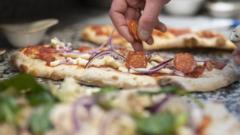
Robotically crafted pizzas have not lived up to the hype as initially anticipated. Moto Pizza, a Seattle-based restaurant, invested $160,000 (£118,000) in a pair of robots from Picnic, but the partnership ended abruptly in May when Picnic ceased operations. Founding CEO Lee Kindell now worries about the financial implications of the failed venture and whether investing in pizza-making robots is truly worthwhile.
The market for robotic pizza-making appears to be littered with failed attempts. Other companies, including Zume, Pazzi, and Basil Street, have come and gone with little success. While fast food automation may seem a natural fit for robots, the pizza industry has proven more challenging than expected.
Food preparation bots can sometimes be clumsy, dropping ingredients in the wrong places, while humans are generally efficient at creating pizzas. However, Kindell remains undeterred and is developing his own robot, inspired by the 3D printing process. He plans to have a fully functional device ready by summer 2027. Despite his lack of experience in robotics, Kindell believes that the technology will eventually work.
The impact on employment is a concern, as Kindell claims that fully autonomous robots will not replace human workers. In his previous collaboration with Picnic at a baseball stadium, 10 people were required to make pizza, but with the robots, only two were needed, while the remaining eight could focus on customer interaction and advertising.
Robotics companies face a dilemma between speed and human connection. Appetronix, a Canadian firm, installed a 24/7 robotic pizza unit for Donatos pizza chain, aiming for pizzas to be served every minute. They are exploring methods to deposit sauce and slice pizzas faster, including using lasers and ultrasound. However, some pizza enthusiasts, like Paul Giannone, owner of Paulie Gee's, prefer a human-centered dining experience and have vowed to never use robots.
Despite the challenges, new pizza technology continues to emerge. Miso Robotics, which acquired many patents from Zume, is developing and selling food preparation bots, including a French fry-cooking bot named Flippy, already in use in some US fast food restaurants. Hull believes that Zume's vision was ahead of its time and that Miso Robotics can benefit from their work to expand Flippy's capabilities.
Written by urgent.news from BBC Technology's reporting — not their text. Machine-written — may contain errors; check the original before relying on it.