Myanmar Shows War Doesn’t Stop Mining
Critical minerals are still flowing out of conflict zones, but accountability is harder than ever.
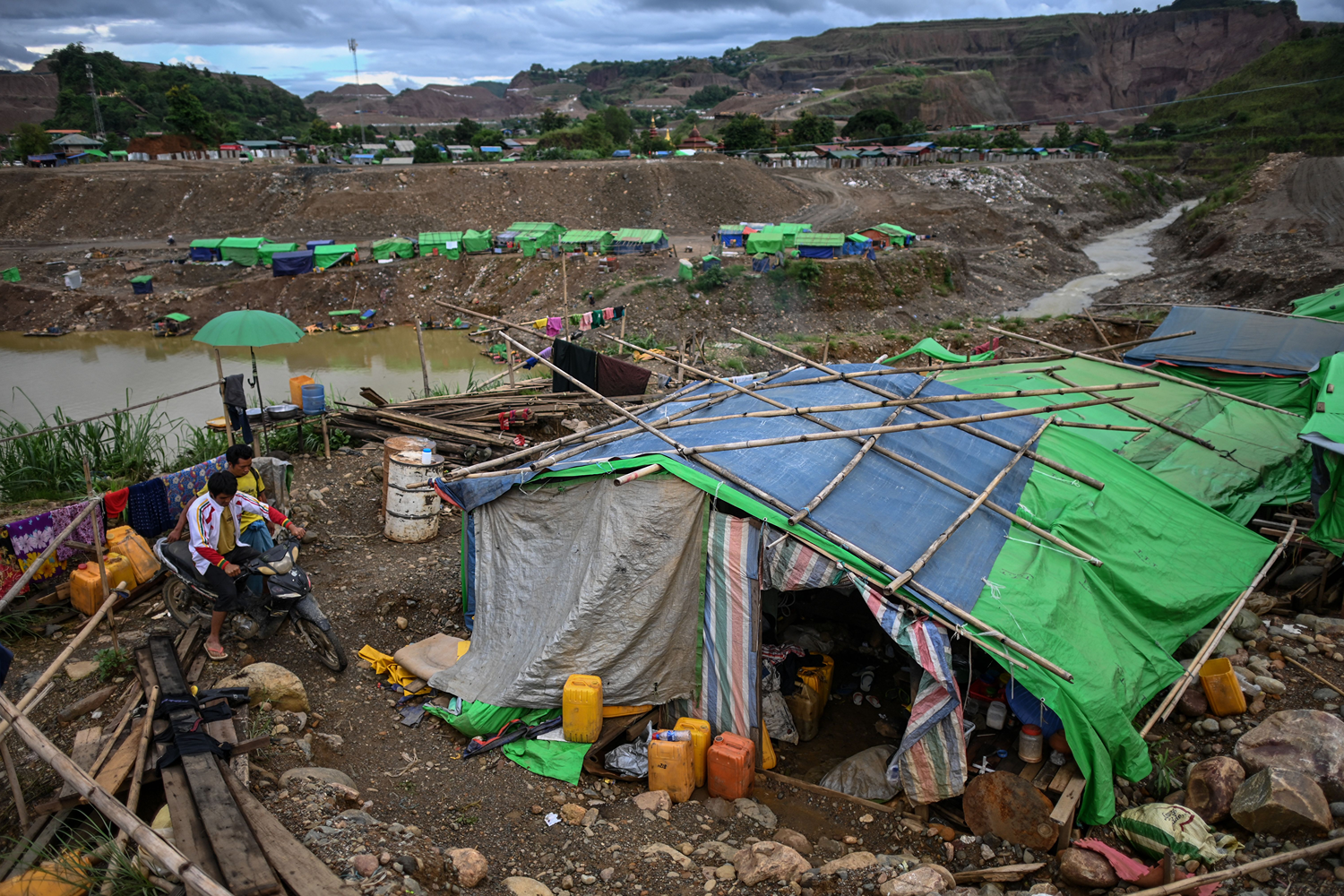
Rare earths play a crucial role in creating a cleaner, smarter, and more connected world. However, extracting these valuable minerals in Myanmar comes with significant environmental and social costs. The country accounts for about 16 percent of global rare-earth mining output, and may supply nearly half of the global production of heavy rare earths, which are essential for defense and green energy industries.
Most of these resources are extracted in Kachin state and shipped to China for processing, where downstream refining and manufacturing are dominated by Chinese entities.
Despite the political instability and armed conflict, supply chains for strategic resources like rare earths are adapting to the fragmented political order created by war. The Kachin Independence Army (KIO) seized Pangwa, a vital hub in Kachin state's rare-earth industry, in 2024, taking control of a critical point in the supply chain rather than disrupting it altogether. Production has continued almost unimpeded in the region.
Myanmar's rare-earth mining is an example of how extraction of strategic resources no longer relies solely on stable governments or centralized state authority. Supply chains can be resilient in the face of conflict, adapting to the fragmented political landscape. Chinese actors are not only relying on Myanmar's central government but also engaging with military authorities, ethnic armed organizations, local militias, borderland elites, provincial officials, and business intermediaries.
This shift in extraction dynamics is most visible in northern Myanmar, where multiple actors oversee mining operations, checkpoints, taxation, and transport corridors. Despite increasing production costs, rare-earth mining continues in Kachin state, financed by mining revenues that support both military operations and public services under the KIO's de facto administration. However, the environmental damage caused by these activities poses a significant challenge to the KIO's claims of responsible rule.
Written by urgent.news from Foreign Policy's reporting — not their text. Machine-written — may contain errors; check the original before relying on it.