Meta settles with the states over child safety failures
Will significant changes to Facebook and Instagram be enough to beat back a global wave of bans?
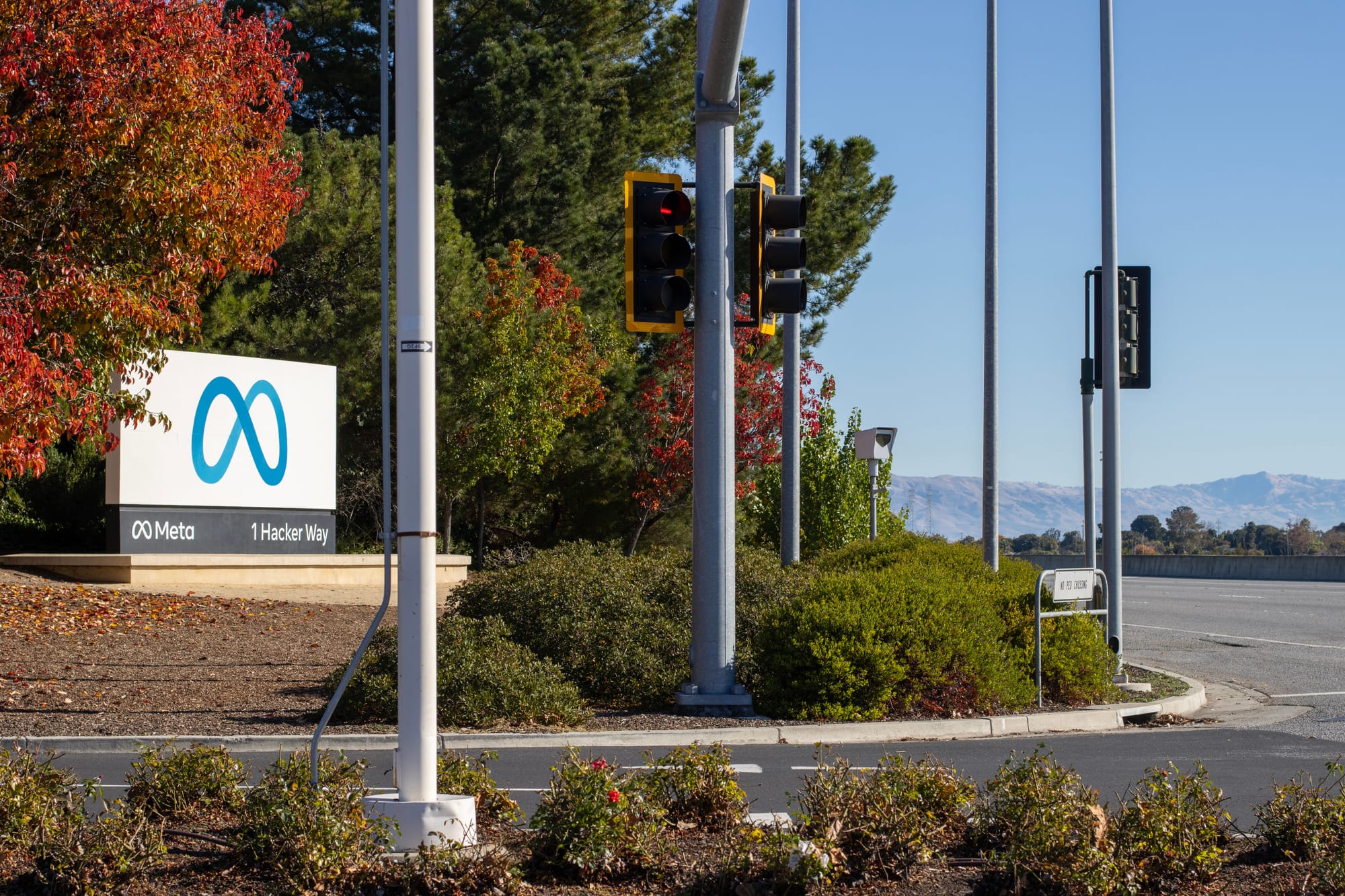
A record $17.1 billion settlement has been reached between Meta and 47 US states, the District of Columbia, and territories, marking the end of a high-profile federal trial. The agreement is the result of accusations that Meta violated federal child privacy and consumer protection laws, causing harm to children on its platforms.
George Volichenko, who worked on Instagram's "teen mental well-being team," testified in court about the limited freedom given to the team to develop and test safety features. He observed that after introducing an opt-in feature prompting teens to take a 10-minute break after extended scrolling, only 0.165% of users enabled it. When he voiced his concerns to his manager, he was told that the team's purpose was to protect the company from upcoming lawsuits.
Under the settlement, Meta will limit daily usage of its platforms to two hours, block access to most features between midnight and 6 a.m., and mute push notifications from 8 a.m. to 3 p.m. on school days. Additionally, the take-a-break prompts will be enabled by default, triggering after every 15 minutes, and hide like counts for teens by default. The company will also establish an independent social media research foundation, sharing data with researchers who have user consent.
However, the settlement's impact will be contingent upon Meta's rivals, YouTube and TikTok, adopting similar restrictions. If they do not comply within five years, the time limit will be extended to 10 years. Meta also plans to change its screen time restriction to one hour per app and expand the "Night Mode" from six hours per night to nine. The settlement will only be fully enforced if YouTube, TikTok, and Snap agree to make the required changes.
Critics argue that American teenagers should have the right to determine their own screen time limits and that this agreement should be regulated by Congress instead of a social media cartel. Despite the agreement's provisions, Meta has threatened to reverse some of its safety features if rivals do not follow suit. The move has been criticized as an attempt to position Meta as a moral leader, rather than a responsible corporate citizen.
Written by urgent.news from Platformer's reporting — not their text. Machine-written — may contain errors; check the original before relying on it.
This story
This is one outlet's version. Read the fullest account.