Louis Vuitton exits Chinese province amid trademark backlash, sales drop
Luxury giant Louis Vuitton is closing its sole store in China’s southwestern province of Guizhou as the firm grapples with declining sales and fallout from trademark disputes in the country.
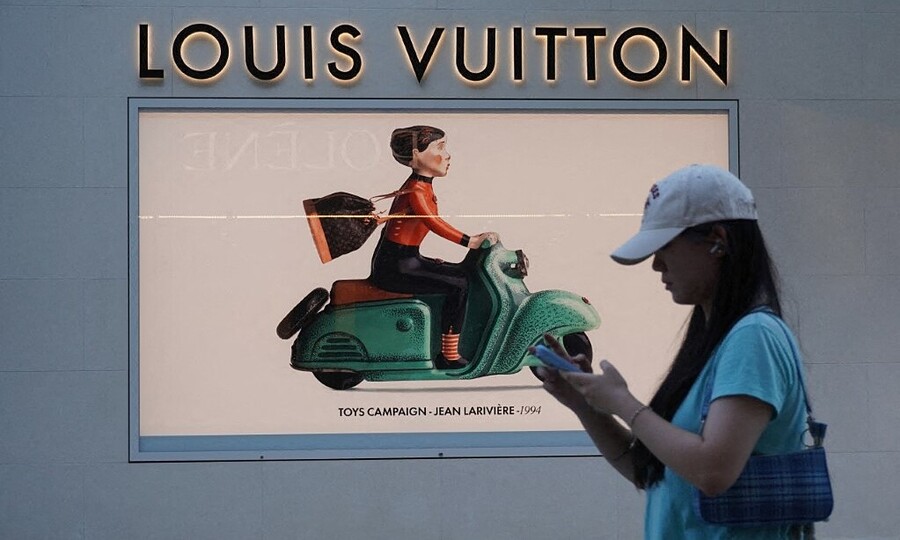
Louis Vuitton is closing its Guiyang Jianghua store in China's Guizhou province on August 31, concluding a four-year presence in the region. This decision is part of the luxury brand's strategy to optimize its retail network amidst changing luxury consumption trends in China. According to Bloomberg, luxury brands in China saw sales drop by over 10% in July, with Louis Vuitton among them.
The decline was steeper than the slowdown seen in June and represented a marked turnaround from the strong sales growth earlier in the year.
The closure comes at a time when Louis Vuitton is facing backlash from trademark disputes, particularly a lawsuit against local beverage chain Molly Tea. The tea chain was ordered to pay Louis Vuitton 10.3 million yuan for using a logo similar to the luxury brand's four-petal floral trademarks. This dispute triggered social media backlash, with accusations of cultural appropriation.
However, the immediate impact on sales is limited, according to Sandy Lim, director at credit rating agency S&P Global Ratings. The real risk lies in the long-term effect on younger Chinese consumers, who could perceive a higher barrier to Louis Vuitton due to the controversy.
Louis Vuitton, founded in Paris in 1854, operates over 75 brands across various luxury sectors. The brand has been reducing its retail footprint in China over the past year, shutting stores in Kunming, Yunnan province, and Chengdu Tianfu International Airport in Sichuan province. Despite the closures, Louis Vuitton is expanding its flagship store presence in top-tier cities like Beijing and Shanghai, focusing on enhancing consumer experience with high-touch VIP services to cater to China's evolving luxury consumption trends.
Written by urgent.news from VnExpress Business's reporting — not their text. Machine-written — may contain errors; check the original before relying on it.