Urgent.News

What's breaking now, across thousands of outlets.

Business

L’art de la bouteille d’alcool design menacé par la loi européenne antidéchets, alertent les verriers

Les fabricants de verre européens affirment que le règlement sur les emballages et les déchets d’emballages va plomber leur créativité.

L’art de la bouteille d’alcool design menacé par la loi européenne antidéchets, alertent les verriers

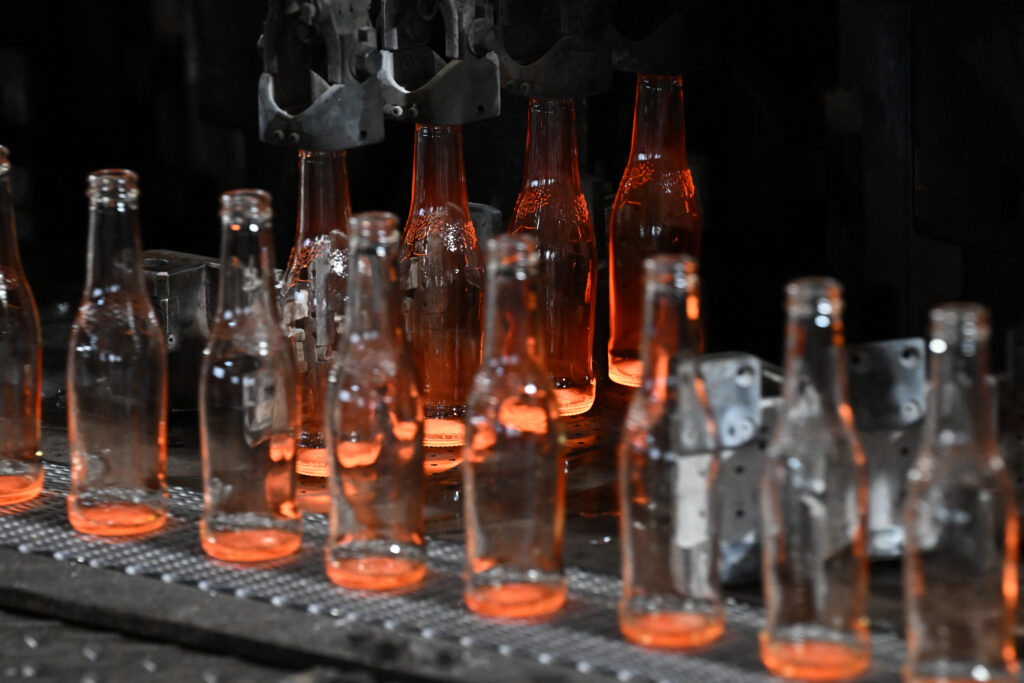
European wine and spirit producers have spent years crafting their bottles into cultural icons, but a new European law aimed at reducing waste could threaten these sophisticated designs. From high-end brands to artisanal distillers, the look and feel of a glass bottle matter almost as much as the liquid inside. Distiller Emmanuel Ladent of Saverglass, which makes Grey Goose vodka bottles, explains that the silhouette, the window, the satin finish, and decorations are instantly recognizable to consumers.

However, Brussels' plan to drastically cut packaging waste by 2030 could force manufacturers to use less material in their packaging, potentially leading to an Orwellian level of uniformity across the wine, spirit, and perfume industries. This could harm the competitiveness of the sector, as companies already face significant costs in decarbonating their products.

For artisanal distillers like Moby Dick in Plogoff, France, the presentation of their products is just as important as the alcohol inside. They use thick, transparent glass bottles with Art Deco labels and wooden stoppers featuring whale motifs, which are then resold at a discounted price to encourage reuse. The European glass packaging industry employs around 50,000 people and contributed €6.5 billion to the EU economy in 2022, according to the European Glass Packaging Federation.

Its general secretary, Carlo Pirrone, stresses the need to preserve European production and competitiveness. The new packaging and waste regulation, adopted in 2024, requires companies to reduce packaging quantities and ensure recyclability, with the minimum amount necessary for safe transportation and sale by 2030. This applies to all packaging materials, with the aim of reducing unnecessary weight and volume while maintaining the primary function of packaging.

Written by urgent.news from Politico EU's reporting — not their text. Machine-written — may contain errors; check the original before relying on it.

Read the original at politico.eu →

More in Business

More from Thursday 27 August →