Jalaj Dani Calls On Corporate India To 'Own' Sport, Not Just Sponsor It
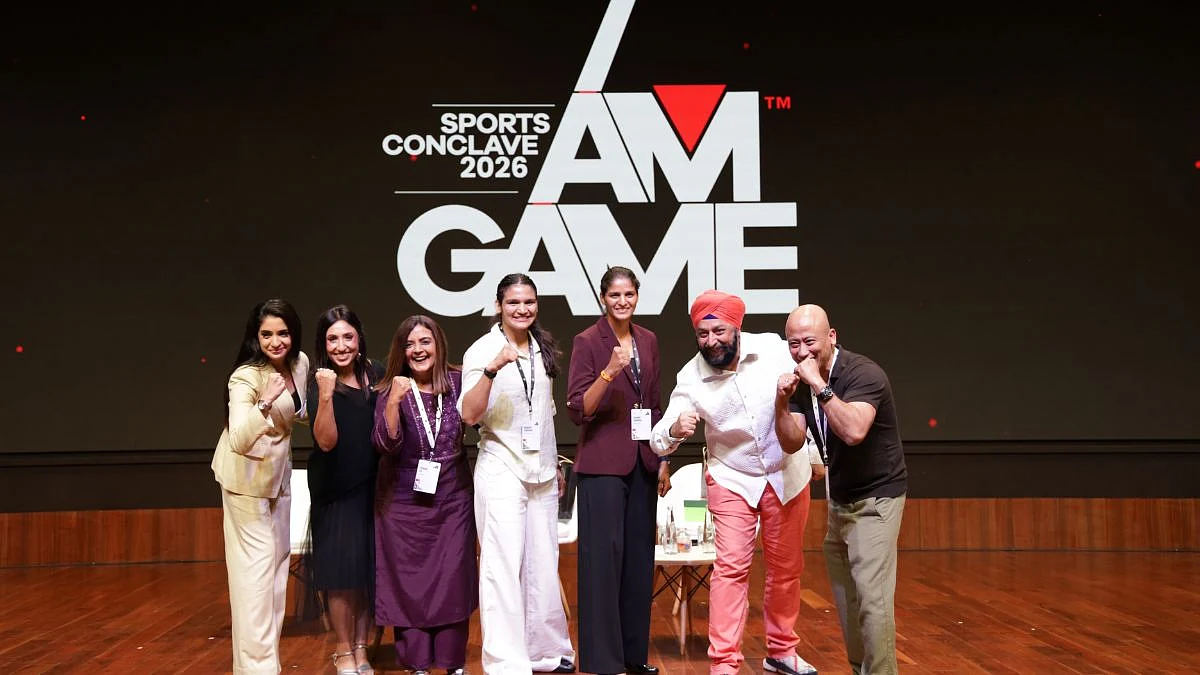
Jalaj Dani, President, SPORTSCOM, called for a fundamental shift in the way Corporate India engages with Indian sport, urging businesses to move beyond sponsorships and take long-term ownership of sporting properties, institutions and talent development. Speaking at IAMGAME 2026, Dani argued that while India has built one of the world’s most commercially successful sporting properties in the IPL,…
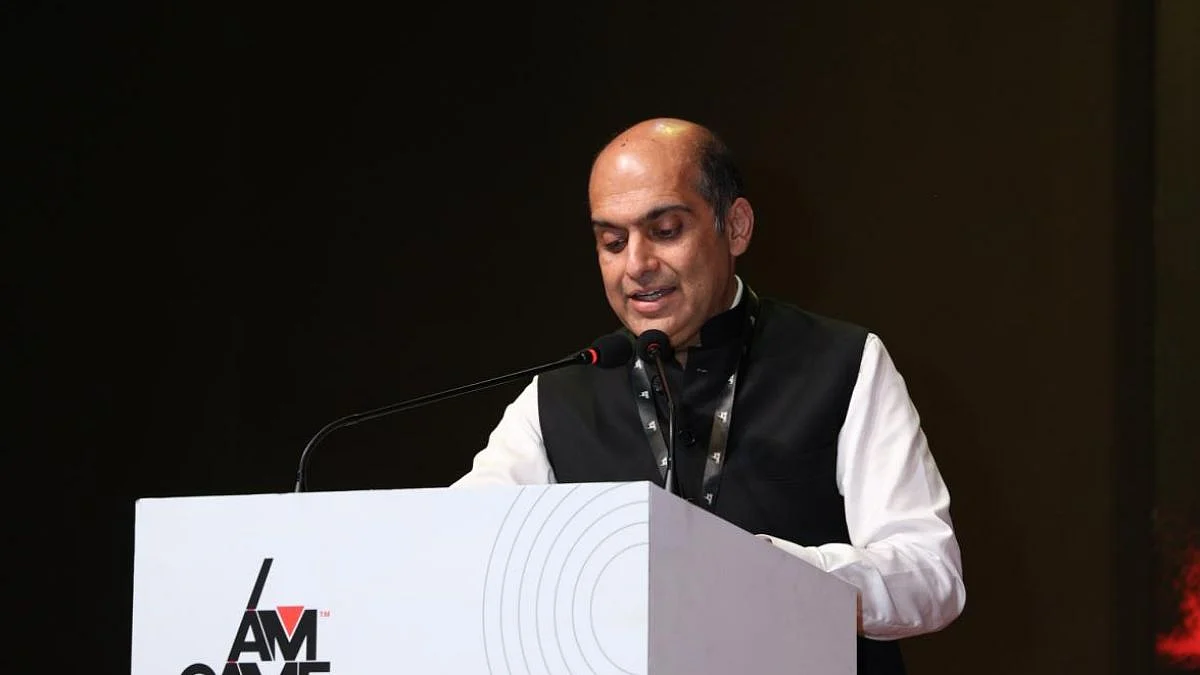
Jalaj Dani, President of SPORTSCOM, has urged Corporate India to transition from merely sponsoring sports to genuinely investing in and owning sporting entities, institutions, and talent development. Addressing the IAMGAME 2026 conference, Dani argued that while India's Pro Kabaddi League (IPL) is a commercially successful sporting property, valued at an estimated $20 billion, the country still struggles to build the institutional framework necessary to become a true sporting nation.
Comparing the IPL's valuation to India's six medals at the 2024 Paris Olympics, Dani highlighted a significant gap in India's sporting ecosystem. He pointed out that India is simultaneously the most lucrative sponsorship market in sport history and one of the weakest institution builders. Dani distinguished between sponsorship and ownership, stating that sponsors seek to leverage sports for brand benefits, while owners focus on how their institutions can support and enhance sports.
He emphasized that while sponsorship is essential, it is not enough to create lasting sporting ecosystems, which require investments in academies, coaching, talent identification, sports science, and institutions that can develop athletes before they become champions. Drawing on Japan's experience, Dani noted that corporations traditionally play a more substantial role in building sporting institutions.
He also shared his own investment in properties like Ultimate Table Tennis and Chennaiyin FC, explaining that investing in less popular sports was a deliberate strategy to build the audience and institutions. Dani proposed a vision where India's 100 largest corporations could each commit to a long-term institutional investment in a sport, ranging from hockey, football, wrestling, boxing, badminton, swimming, archery, and para-sports.
These investments could lead to the establishment of academies, specialized coaching, grassroots talent identification, and high-performance systems over the next decade. He stressed the need for Corporate India to create pathways for the talents identified through national and grassroots programs. Dani highlighted that despite the government's focus on discovering sporting talent among children aged 5–15, the bottleneck is the absence of institutions capable of nurturing this talent.
He argued that this gap is not due to a lack of potential athletes but rather a lack of institutions equipped to identify and develop them. Dani also pointed out that emerging technologies, such as AI-driven performance analytics, wearable biometrics, and advanced sports science, could revolutionize these institutions. He stressed that the long-term potential extends beyond medals, projecting that India's sports economy could reach $130 billion by 2030 and potentially generate millions of jobs.
Dani argued that investing in sporting institutions offers significant business value through intellectual property, employment, community engagement, brand identity, and long-term relationships, rather than just short-term visibility. He emphasized that this is not philanthropy but a rapidly growing sector of the economy. Concluding his address, Dani linked the urgency of building sporting institutions to India's broader ambitions for 2047 and its Olympic aspirations, noting that institutions require 10–15 years to mature.
His central message was that while India possesses the necessary funds and talent to construct a sporting nation, the shift required lies in changing the mindset of Corporate India. He urged businesses to move beyond asking what sports can do for their brands this season and instead focus on building the institutions that will produce the players who will earn the right to wear their brands.
Written by urgent.news from Free Press Journal's reporting — not their text. Machine-written — may contain errors; check the original before relying on it.