'It's not possible to eliminate risk', but new ASIC boss is trying to limit it
ASIC is keeping a close watch on Australia's 'permissive investment regime'.
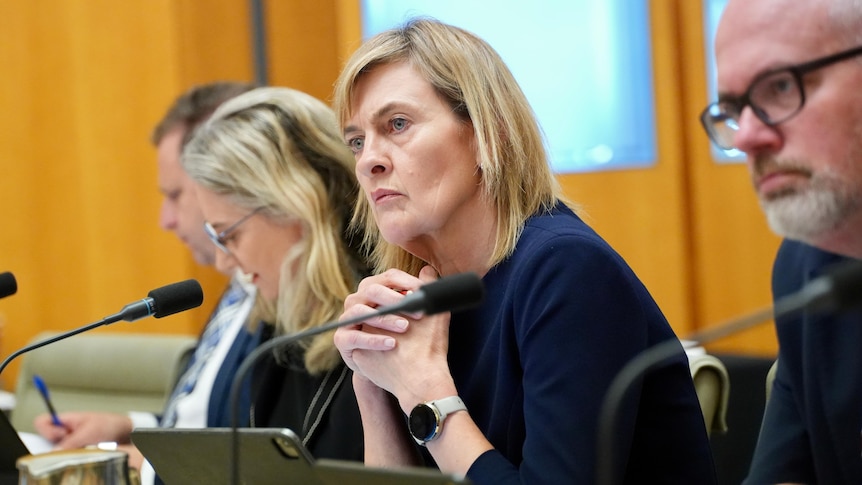
Just over a hundred days into her tenure, Australia's corporate regulator faces the fallout of a corporate collapse involving construction group Bathla, which owes more than $3.5 billion to creditors. Sarah Court, the new ASIC boss, is closely monitoring the situation while overseeing a host of other issues. Bathla, with over 520 subsidiaries, about 2,000 homes under construction, and roughly 13,000 more in the pipeline, owes the majority of its debt to ordinary Australians who have invested in the high-risk private credit industry.
Court and her predecessor, Joe Longo, identified this industry as a potential systemic problem a year ago and ordered a deep dive into it. While the regulator can identify risk and attempt to minimize it, it cannot eliminate it entirely, as many aggrieved investors often demand after the event. Court emphasizes that Australia's permissive investment regime has benefited many but also carries the risk of investor losses.
Under Court's leadership, ASIC has taken a proactive approach to gathering intelligence on shifting markets and addressing potential issues before they escalate. However, the business sector is calling for less regulation to reduce the burden of red tape, which is estimated to cost businesses $160 billion annually and impede productivity.
Court argues that strong enforcement is essential for a stable investment environment, as failure to address misconduct promptly can lead to more severe consequences and the need for stricter regulations.
Written by urgent.news from ABC News AU's reporting — not their text. Machine-written — may contain errors; check the original before relying on it.