Israel turns to naval drones as Iran war exposes maritime vulnerabilities
Threats to offshore gas fields, Red Sea shipping and Mediterranean trade have reportedly pushed Israel to expand its fleet and invest in unmanned surface vessels after years of treating the navy as a secondary force
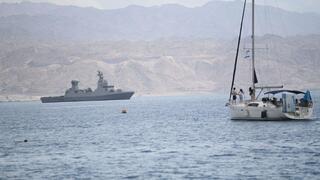
Israel is investing in naval drones and expanding its fleet as Iran and its regional allies pose increasing threats to offshore infrastructure and shipping routes, according to recent reports. The country has recognized the need for a stronger navy after years of underinvestment compared to other military branches. In 2024, the Defense Ministry announced plans to purchase five new missile ships for approximately $780 million to replace aging vessels.
Israeli officials have also increased investment in autonomous sea drones, though specific budget details have not been disclosed. As of May 2024, the navy reported deploying autonomous vessels to protect offshore economic assets. Israel currently operates 10 small unmanned surface vessels and one large unmanned underwater vehicle.
The INS Independence, a 90-meter Saar 6 corvette, typically operates for 1,500 hours annually but exceeded 4,000 hours in 2024, guarding offshore gas fields and shipping routes. Its commander described the mission as "Sisyphean" due to the intense nature of the operations, often requiring seconds to activate air-defense systems during attacks.
Israel's defense establishment is increasingly turning to unmanned vessels to enhance maritime coverage more quickly and cost-effectively than conventional warships. Companies like Elbit Systems are developing such technology, with their 12-meter Seagull autonomous surface vessel designed for offshore infrastructure patrol, mine-clearing, anti-submarine missions, and deep-sea reconnaissance.
The navy's reassessment follows operational setbacks, including the failure to prevent Hamas militants from reaching Israel by sea during the October 7 attack and inability to fully counter Houthi disruptions through the Bab al-Mandeb Strait. Unmanned platforms are particularly attractive for a smaller navy due to their lower manpower requirements, faster procurement, and wider coverage at reduced costs.
However, challenges remain in endurance, communications, and navigation under electronic warfare and GPS jamming, which are becoming more urgent as adversaries adapt.
Written by urgent.news from Ynetnews's reporting — not their text. Machine-written — may contain errors; check the original before relying on it.