India’s Innovation Gap: Where R&D, Capital And Industry Fall Short
There has been a lot of talk around innovation or perceived lack of it, in Indian enterprises in general and…
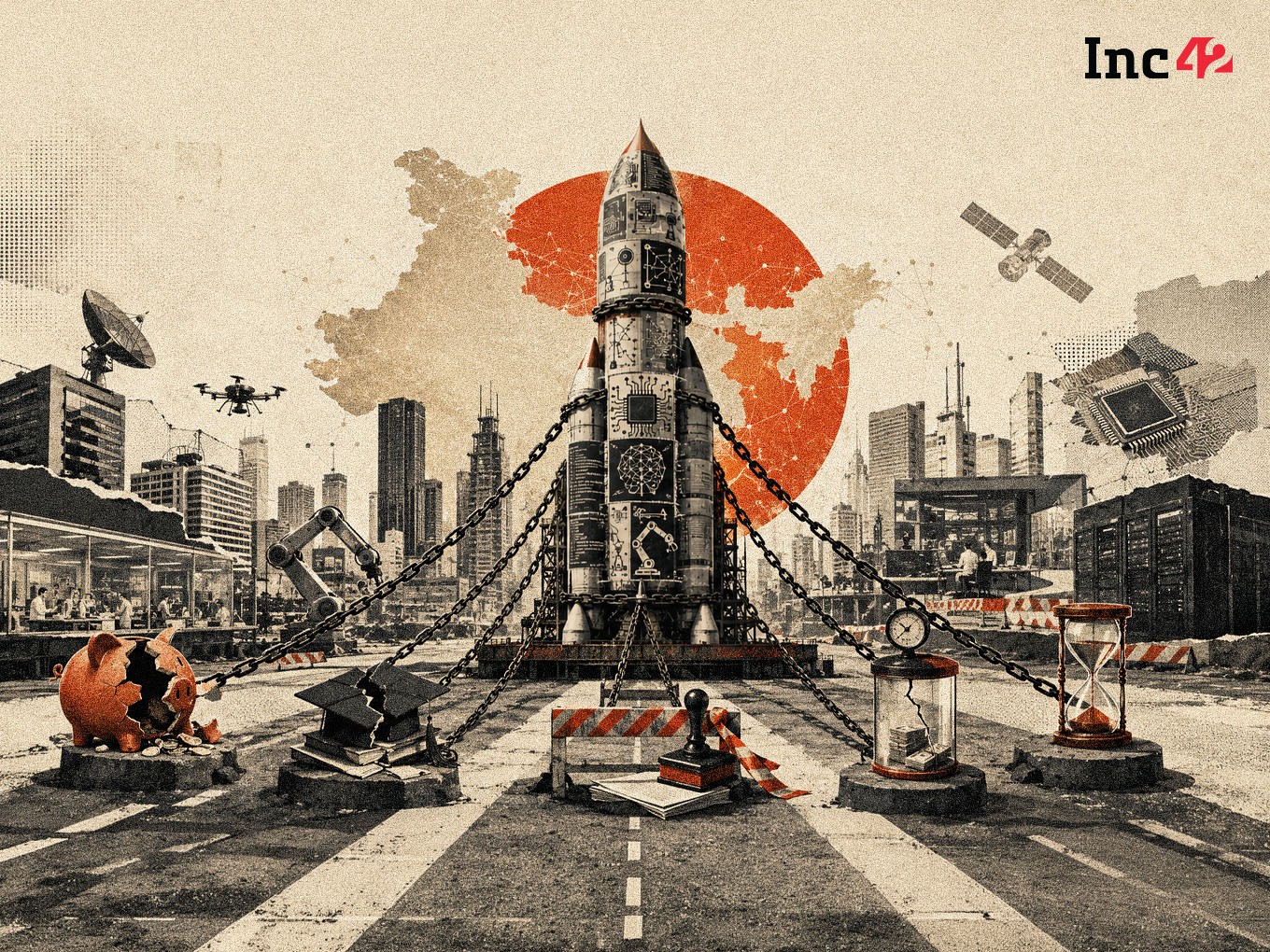
India's Innovation Gap: Challenges in R&D, Capital, and Industry
The rapid advancement of artificial intelligence (AI) has sparked discussions about the perceived lack of innovation in Indian enterprises, particularly in the IT services sector. However, it is essential to examine the concept of innovation and the factors impacting innovation within the Indian enterprise landscape. The Global Innovation Index (GII) serves as a popular benchmark for measuring a nation's innovative prowess, but it can sometimes mask sectoral weaknesses and disparities in country size.
Over the past decade, India has shown significant improvement in its GII ranking, which is largely attributed to the flourishing technology startup ecosystem fostered by young entrepreneurs tackling complex problems using technology.
India has demonstrated its ability to innovate in various sectors, such as creating the Global Delivery Model in IT services, developing low-cost generic pharmaceuticals, establishing digital public infrastructure, launching low-cost space missions, and advancing precision engineering for automotive and aerospace. These achievements showcase the country's technical competence and deep understanding of cost, constraints, social, and business issues.
Despite these accomplishments, India has lagged behind in producing globally leading, domestically owned firms in research-intensive industries compared to its talent pool and economic size. The country has struggled to translate scientific research into products, sustain long manufacturing learning curves, allocate funding for long-term, high-risk moonshot ideas, and build extensive supplier networks around frontier technologies.
This suggests that India's talent is hindered by structural constraints, necessitating a concerted effort to address these challenges and elevate the country's global ranking.
A critical aspect of the problem lies in India's persistent underinvestment in research and development (R&D) relative to countries like China, South Korea, and Israel. These nations, which began from similar levels of economic development, have since invested more heavily in building R&D capabilities. In light of these statistics, it is crucial to delve deeper into the systemic and structural issues that have contributed to India's underwhelming innovation outcomes.
Following India's liberalization in 1991, the country's industrial landscape underwent significant changes. Prior to this period, Indian industry was dominated by a licensing regime, where connections with the government played a significant role in obtaining licenses for factory setup. This system discouraged innovation as the government determined capacities and prices, eliminating the incentive for companies to innovate.
Furthermore, the taxation regime during the 1970s and 1980s was highly burdensome, with corporate taxes reaching as high as 94%, which discouraged entrepreneurs from innovating and motivated them to run rent-seeking businesses or work in limited capacity-production environments.
The Indian political and business environment also lacked competitive pressure from foreign companies, resulting in complacency and inward-looking attitudes. This mindset was ultimately flawed and hindered India's ability to innovate. As Peter Drucker once said, "culture eats strategy for breakfast," indicating that deeply ingrained cultural norms can be challenging to alter.
Post-liberalization, industrial groups that were already established consolidated their positions in the competitive landscape, while older, less innovative businesses remained resistant to change.
Written by urgent.news from Inc42's reporting — not their text. Machine-written — may contain errors; check the original before relying on it.