‘I fight pain and fear with art’: how Yayoi Kusama blazed a trail for neurodivergent artists
The pioneering Japanese artist talked openly about how her mental health and neurodivergence informed her creativity, paving the way for the likes of Turner prize winner Nnena Kalu Yayoi Kusama – who has died at the age of 97 – was 10 when she first started experiencing vivid hallucinations consisting of visual and aural disturbances, which she described as “flashes of light, auras, or dense…
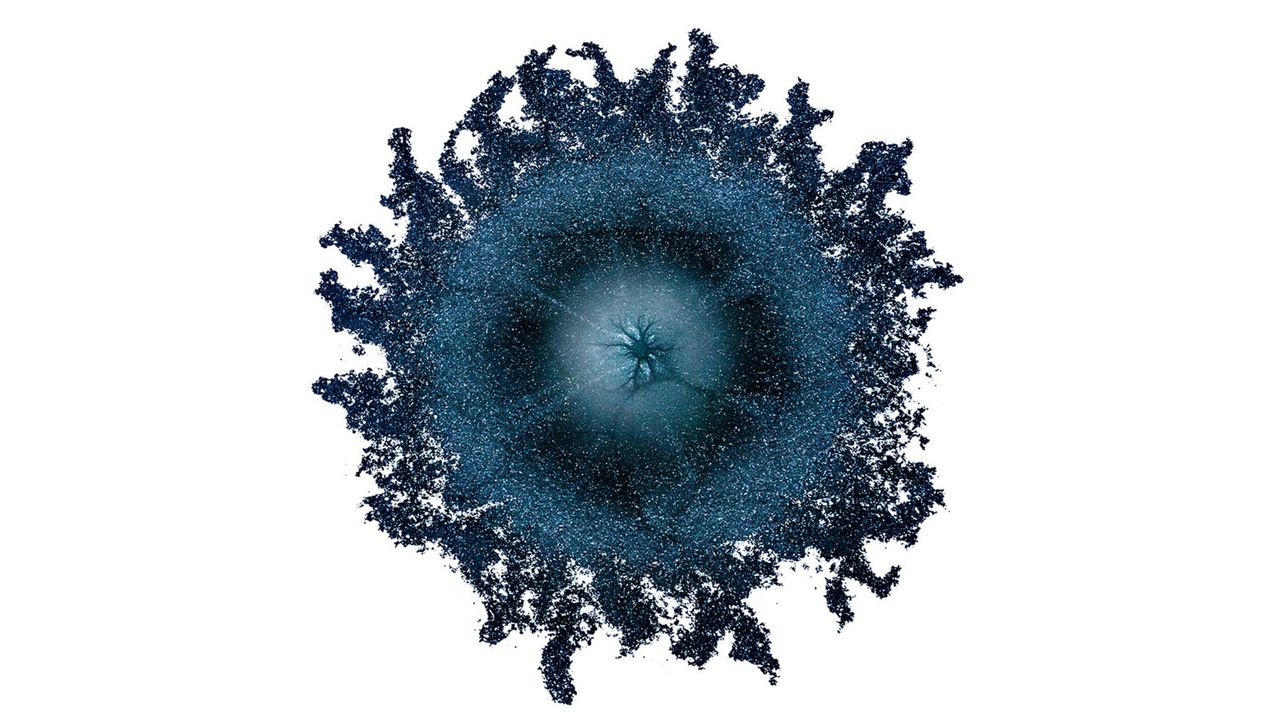
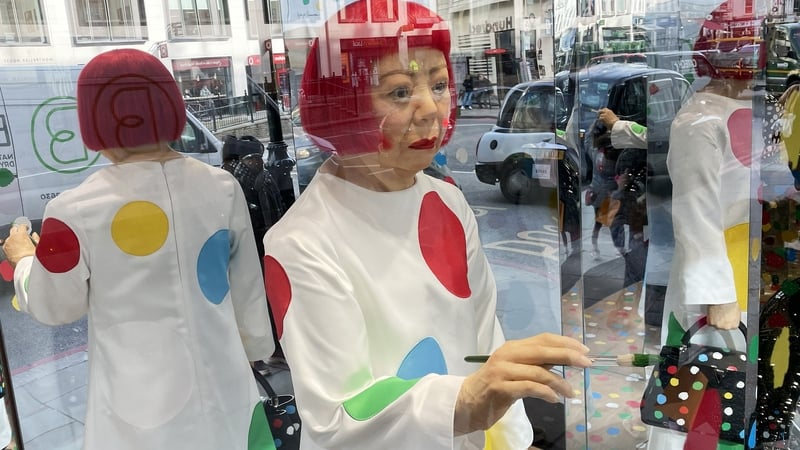
Yayoi Kusama, the renowned Japanese artist, passed away at 97 after a life spent battling mental health issues and neurodivergence. Her creativity was deeply influenced by her experiences with vivid hallucinations, which she described as "flashes of light, auras, or dense fields of dots". These hallucinations first manifested when she was just 10 years old and would become a central theme in her art.
Kusama's artistic journey began with a drawing of her mother obliterated by the hallucinations, marking the start of her obsession with dots and flowers. She once said, "I fight pain, anxiety, and fear every day, and the only method I have found that relieved my illness is to keep creating art." This statement encapsulates her belief that art was a crucial tool for her survival amidst her mental health struggles.
Despite her challenges, Kusama rose to become one of the most acclaimed and admired contemporary artists. She was a key figure in the New York avant-garde, influencing the pop art movement through her innovative happenings. Her exhibitions, particularly her Infinity Mirror Rooms, attracted massive crowds. In 2022, due to overwhelming public demand, Tate Modern in London extended her Infinity Mirror Rooms show by an entire year, running from 2022 to 2024.
Written by urgent.news from Guardian Health's reporting — not their text. Machine-written — may contain errors; check the original before relying on it.