Humanoids have bodies. They still need brains.
China's humanoid boom has solved the most visible part of the problem: figuring out how to hobble together a body. The harder part now is building a brain.
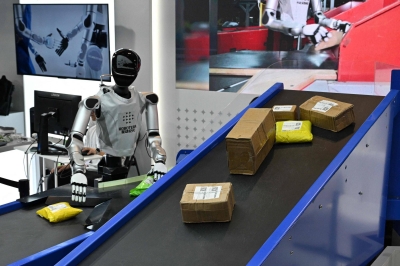
At China's largest artificial intelligence summit in Shanghai, humanoid robots captured the attention of crowds with their impressive displays of movement and functionality. However, despite the awe-inspiring demonstrations, the reality remains that these machines lack the essential component of human beings - a brain. While the robots showcased abilities such as boxing, serving coffee, and handling laundry, their movements were often slow and awkward, hinting at the limitations of current artificial intelligence technology.
Some exhibitors, like Yunmu Intelligent Manufacturing, went to great lengths to create lifelike humanoid robots with intricate details such as wrinkles and facial hair. Witnessing one such bot standing behind me, I was momentarily deceived into believing it was an actual human presence. Nevertheless, the illusion shattered the moment the robot failed to perform beyond basic tasks like rotating its head or staring with lifeless eyes.
Despite the excitement surrounding these robots, it is crucial to remember that they still lack the fundamental element that defines humanity - consciousness. The enthralled audience may have been captivated by the robots' physical capabilities, but the absence of a brain ultimately renders them mere machines. As the World AI Conference highlighted the rapid advancements in humanoid robotics, it also served as a stark reminder of the significant gap between artificial intelligence and true human cognition.
Written by urgent.news from Japan Times's reporting — not their text. Machine-written — may contain errors; check the original before relying on it.