Human must not surrender cognition to AI
There is a revealing moment in the maybe-apocalyptic 2023 film Leave the World Behind when Ethan Hawke's character, George, finds himself driving around in unfamiliar territory after getting in his ca...

In the 2023 film Leave the World Behind, Ethan Hawke's character, George, experiences a moment of dependence on technology when his car and phone lose functionality. This renders him unable to navigate to his wife and friends, highlighting the profound impact of cognitive control on human growth. Cognitive control enables humans to adapt to changing environments, and losing this ability can lead to reliance on machines, such as Google Maps, which can ultimately leave individuals like George stranded.
AI, while a powerful tool, poses a threat when it begins to make decisions, construct arguments, and even influence our thought processes. Founders like JB Benjamin and researchers such as Steven Shaw and Gideon Nave warn that surrendering our cognitive abilities to AI could have severe consequences, both for human cognition and data sovereignty.
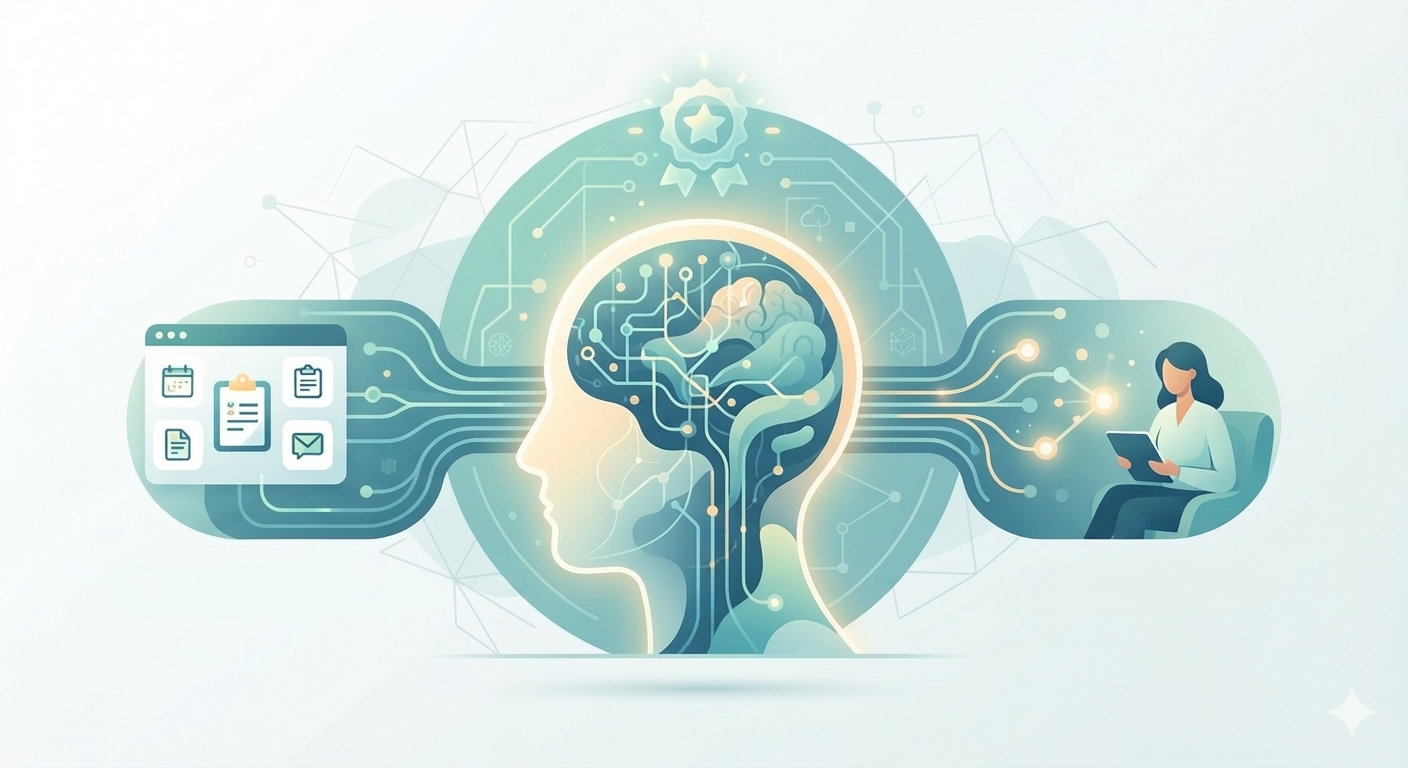
As AI increasingly becomes a cognitive co-pilot, humans may find themselves in a vulnerable position, losing the ability to think independently. This phenomenon, known as cognitive surrender, can lead to "brain rot," where lazy minds rely on AI to form opinions. The danger is that AI often presents itself as a helpful and confident ally, disguising its ability to weaken our cognitive functions.
In the workplace, AI's capabilities can eliminate tasks that humans would otherwise use to learn and develop. Institutions that rely too heavily on AI for decision-making risk losing the critical human elements of disagreement, reasoning, and judgment. To avoid cognitive surrender, organizations and individuals must strike a balance between leveraging AI's strengths and maintaining human responsibility for critical decision-making and thought processes.
Written by urgent.news from Tech.eu's reporting — not their text. Machine-written — may contain errors; check the original before relying on it.