How the Mayo Clinic is using the arts to improve patient care
The medical community is trying many approaches to help push back against the advance of Alzheimer's and dementia. One leading institution is taking a different and unconventional approach to supplement the traditional treatments. Special Correspondent Megan Thompson reports for our coverage of the intersection of health and arts, part of our CANVAS series.
The Mayo Clinic in Rochester, Minnesota is utilizing the arts as a supplement to traditional treatments for Alzheimer's and dementia. Special correspondent Megan Thompson explores this approach as part of a series on arts and health. Mayo Clinic's Dolores Jean Lavins Center for Humanities in Medicine has been integrating the arts and humanities into patient care since the 1980s.
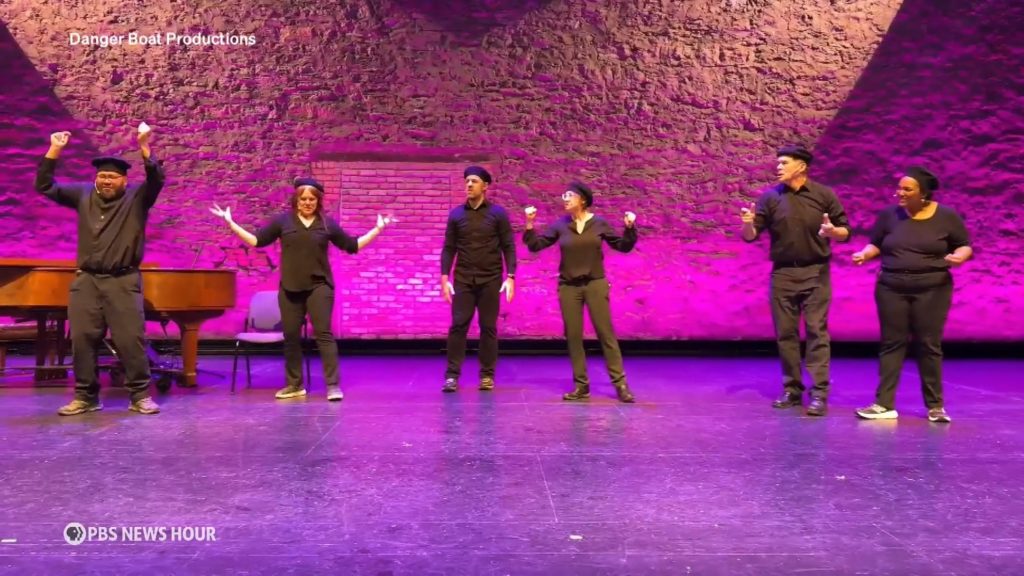
Improvisational theater artist Tane Danger is helping teach a workshop on dementia care. Improv, often associated with comedy, involves skills such as active listening and adaptability, which are crucial for communicating with patients whose reality has shifted due to dementia. Angela Lunde, from the Mayo Clinic's Alzheimer's Disease Research Center, explains that typical ways of interacting and communicating no longer work for patients with dementia.
According to Lunde, improv helps people think differently and embrace unpredictability, which is essential for caring for dementia patients. Tane Danger emphasizes the importance of being comfortable with things not going as planned and not catching imaginary balls during the Loser Ball game. This game, which may seem silly, serves a serious purpose in teaching dementia care.
Mayo Clinic's arts and humanities programs offer various benefits, including stress relief, pain reduction, emotional support, and connection to others. Patients like heart transplant recipient Meghan Sly find joy and a bright spot in making art through the clinic's Arts at the Bedside program. Music also plays a significant role, with Mayo being the only medical center in North America with a carillon that chimes a recital every weekday.
Katie Van Buren, Director of Humanities in Medicine, highlights the positive impacts of the arts and humanities on patients. Studies demonstrate that these programs provide stress relief, reduce pain sensation, offer emotional support, and foster connections with others. For Tane Danger and Angela Lunde, connection and communication are key to improving patient care through the arts.
Written by urgent.news from PBS NewsHour Health's reporting — not their text. Machine-written — may contain errors; check the original before relying on it.