How melting glaciers contributed to the flooding disaster in the Himalayas
The scale of the disaster in the Himalayas is becoming clearer a day after catastrophic flooding tore through parts of Nepal and Tibet. Scientists believe the disaster was likely triggered by the collapse of a glacier, unleashing a torrent of water, mud and debris that swept away entire communities. Geoff Bennett discussed more with Dan Shugar of the waterSHED Lab at the University of Calgary.
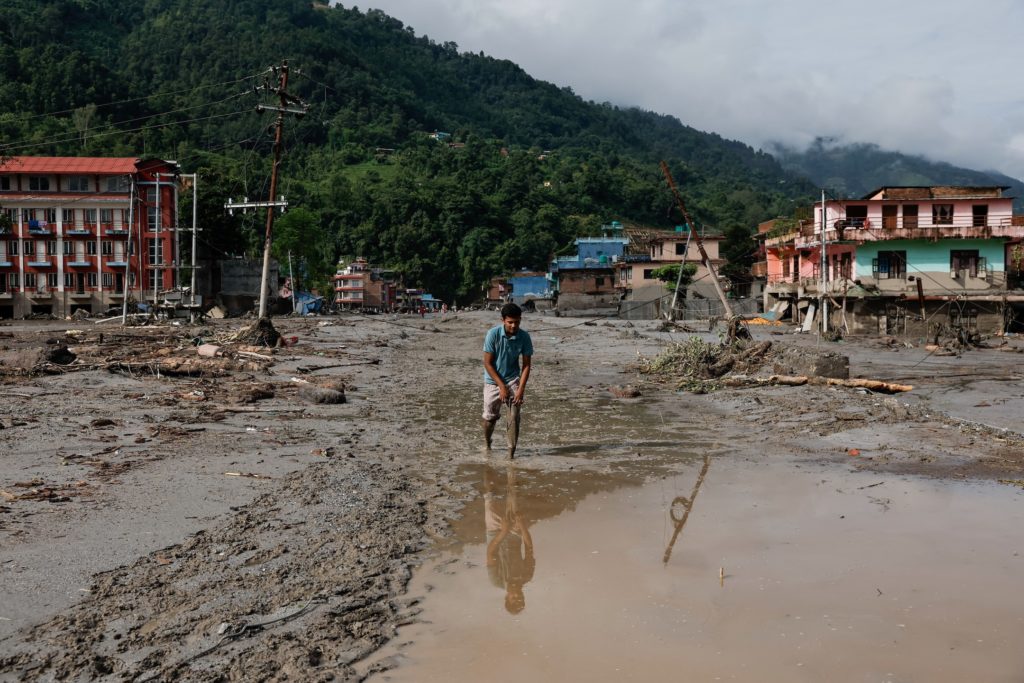
Catastrophic flooding has devastated parts of Nepal and Tibet, with a death toll of at least 390 people and hundreds more still missing. Scientists suspect a glacier collapse high in the mountains triggered the disaster, releasing a torrent of water, mud, and debris that swept away communities, bridges, and roads. In Nepal's Nuwakot district, villages were buried in mud, with floodwaters reaching rooftops and trapping vehicles.
Geologists believe a massive chunk of ice broke off a glacier, causing the flood. Rescue efforts are challenging due to the treacherous terrain. Chinese authorities are searching for hundreds of missing people in Tibet, where floodwaters covered miles. The U.S. confirms three Americans have been rescued, but up to 90 may have been affected.
Written by urgent.news from PBS NewsHour Science's reporting — not their text. Machine-written — may contain errors; check the original before relying on it.
This story
This is one outlet's version. Read the fullest account.