How low-dose computed tomography and AI are changing lung cancer screening
As more lung cancer cases emerge among non-smokers, advances in medical imaging technology are helping doctors detect the disease earlier while reducing radiation exposure.
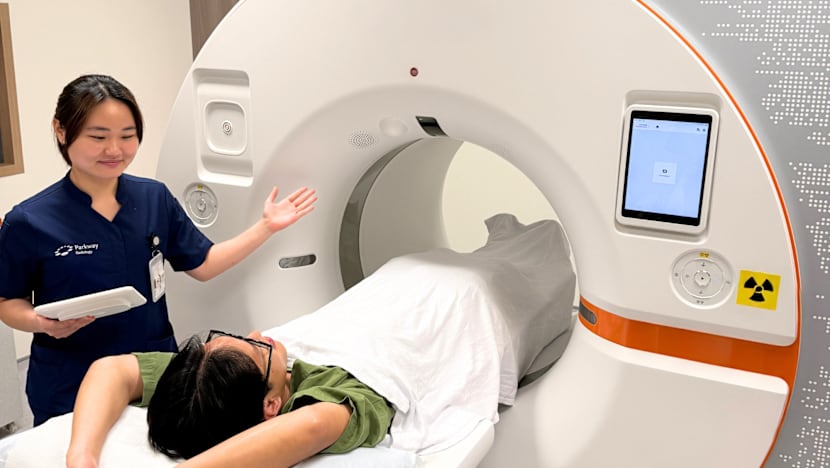
Lung cancer cases, traditionally associated with heavy smokers, are now increasingly emerging in non-smokers, particularly older Asian women with a family history of the disease. In Singapore, approximately half of all lung cancer patients have never smoked, with women being disproportionately affected. Early detection of lung cancer is crucial, as symptoms often do not appear until the disease has progressed to advanced stages, resulting in significantly lower survival rates.
To combat this, doctors are incorporating new screening technologies, such as low-dose computed tomography (LDCT) and AI-powered imaging tools, to improve early detection and reduce radiation exposure. LDCT produces detailed 3D images that can detect small lung nodules more effectively than chest X-rays, which can miss up to 50% of early lung cancers.
In Singapore, LDCT is being used in a nationwide screening research study, with nine non-smokers detected having Stage 1 lung cancer. AI-assisted analysis of CT scans has increased radiologists' sensitivity for detecting early lung cancers from 76.55% to 91.22%. Additionally, ultra-low-dose CT (ULDCT) technology, available at several hospitals in Singapore, delivers minimal radiation doses while maintaining high image quality.
These advancements in imaging technology and AI analysis offer promising avenues for early detection and improved treatment outcomes in lung cancer screening.
Written by urgent.news from Channel News Asia's reporting — not their text. Machine-written — may contain errors; check the original before relying on it.