How a 24-hour delay explains the India-China dynamic
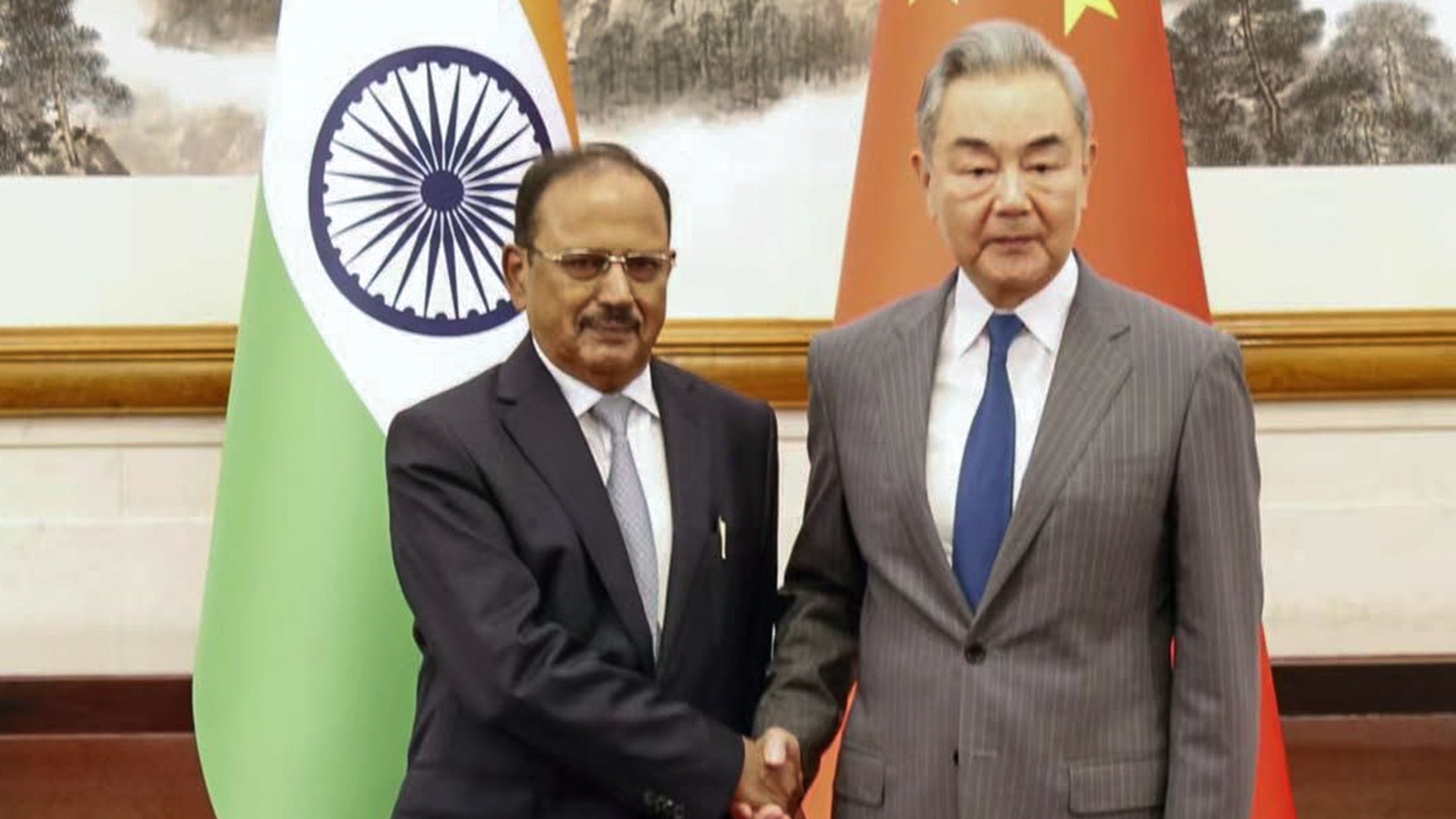
For 24 hours, India and China engaged in separate discussions. Following the 25th Round of Special Representatives talks on August 25, India's embassy announced on X that both nations had reviewed bilateral ties and discussed expanding cooperation and maintaining stability. China's version was more positive, stating that NSA Ajit Doval and Foreign Minister Wang Yi had "comprehensive, in-depth, friendly and candid" discussions and that China-India ties now held "global and strategic significance."
However, the absence of a joint statement led to speculation about disputed issues. On August 26, both sides released an identical eight-point joint consensus, first in New Delhi and then in Beijing. The statement included efforts to advance boundary delimitation, establish new military meeting points, create two border hotlines in the Eastern and Middle sectors, introduce an Expert-Level Mechanism for trans-border rivers in September, facilitate the Kailash-Mansarovar Yatra, resume border trade, and schedule the next Special Representatives round in India in 2027.
This delay reveals a defining characteristic of India-China relations: a pervasive sense of caution. Joint statements following such talks are uncommon. The fact that an eight-point agreement was secured within 18 hours indicates a political commitment at the highest level to stabilize the situation ahead of important summits—namely, the Shanghai Cooperation Organization summit in Bishkek and the BRICS summit in New Delhi on September 12.
Nevertheless, the language employed underscores the complexity of the task when dealing with a deeply entangled bilateral relationship marked by territorial disputes and entrenched suspicion.
The phrase "Early and Substantial Harvest" was coined in 2024 and 2025 to signify progress in delimitation without prejudice to final settlement under the 2005 Agreement on Political Parameters. Both nations agreeing to two additional hotlines and meeting points in the Eastern and Middle sectors (referring to Arunachal Pradesh and Himachal and Uttarakhand, respectively) is operationally significant.
Until now, the only active hotline connected the Western sector of Ladakh. China's acceptance of new military confidence-building measures (CBMs) in the Eastern sector, which it claims as South Tibet, required internal approval, and the joint text carefully emphasizes improving understanding of the Line of Actual Control (LAC) in specific areas while avoiding acknowledgment of the LAC. This language reflects caution.
In the joint statement, China refrains from using the term Tibet/Xizang, referring only to the Kailash-Mansarovar Yatra and border trade through three passes. When formal agreements are necessary, they omit the contentious noun and use the dual names for the mountains and lakes—Kailash and Gang Rinpoche, Manasarovar and Mapam Yun Tso—acting as linguistic buffers.
As chair of BRICS, India needs a successful summit, and China has publicly expressed support, though President Xi Jinping's participation remains unclear. Beijing's approach is a calculated ambiguity to keep Delhi anxious and avoid early commitment. India must accept this ambiguity due to current vulnerabilities in trade and economic ties and the geopolitical turbulence triggered by the Trump administration.
The 24-hour gap between separate and joint statements represents this deftness in diplomatic maneuvering—a brief period of separate statements followed by coordinated agreements, carefully chosen words to protect domestic optics and foster stability. This method, rather than indicating diplomatic failure, is the hallmark of India-China relations. The writer is the director of the Society for Policy Studies in New Delhi.
Written by urgent.news from The Indian Express's reporting — not their text. Machine-written — may contain errors; check the original before relying on it.