HOMAGE TO HOPE OP-ED: Paul Simon’s Graceland at 40: A boycott-busting, rule-breaking, crossover cult hit endures
Forty years after its release, Paul Simon’s Graceland remains a musical landmark in the New South Africa. This article by two South African authors is an intergenerational homage to the album, and the country that made it possible.
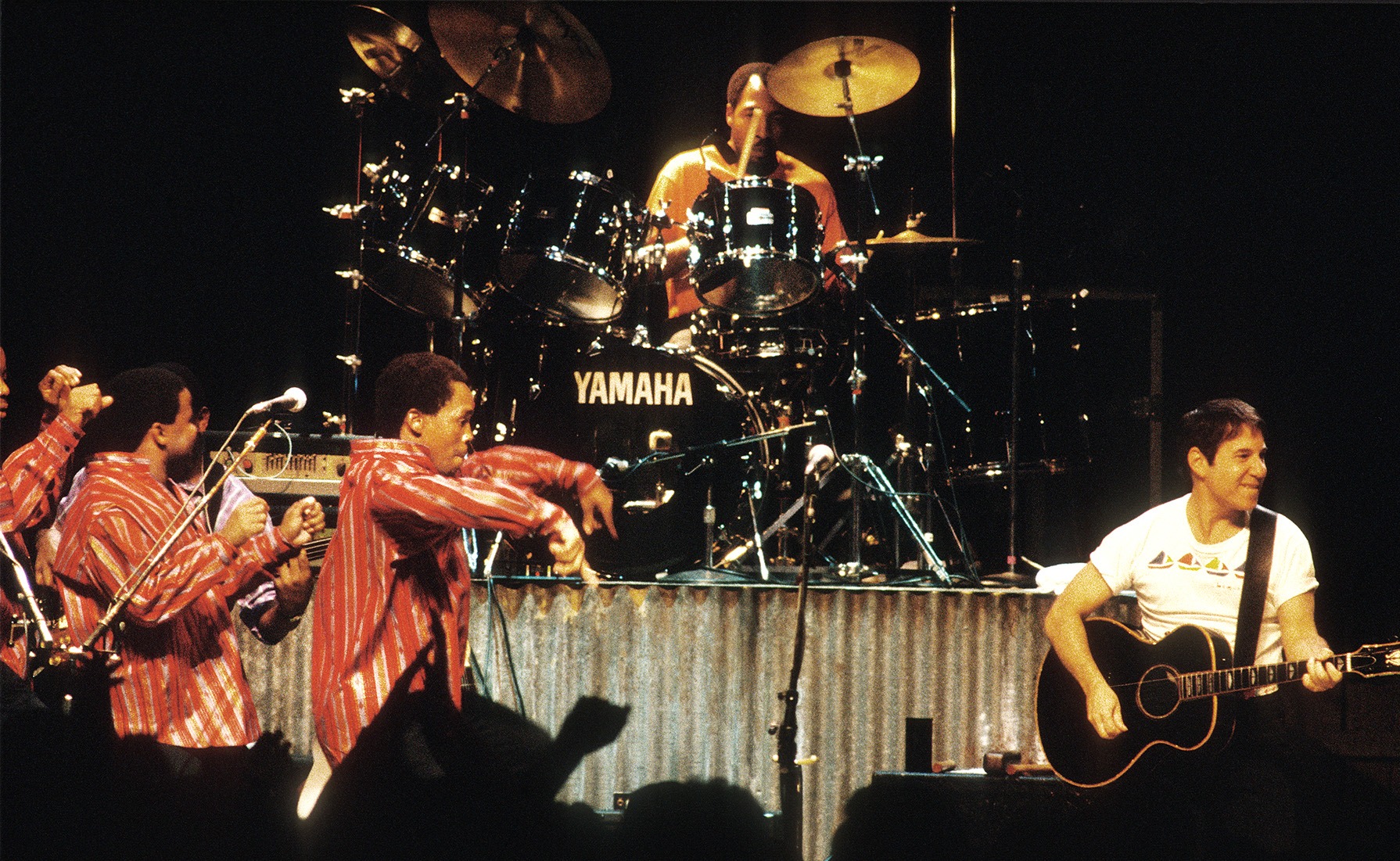
Four decades since its launch, Paul Simon's Graceland remains a musical milestone in New South Africa. This piece, penned by two South Africans, pays an intergenerational tribute to the album and the nation that made it all possible. In apartheid-era South Africa, the artist who best navigated the color line was David Kramer. The Afrikaans singer, staunchly banned from radio airplay, faced the Afrikaner establishment's disdain for staging musicals that blurred racial lines.
Kramer, thus, served as Paul Simon's guide during the recording of Graceland. In the song "The Paul Simon Story," Kramer recounts showing Simon the Cape Point tourist spot near Cape Town. Upon arrival, a busload of South African tourists disembarked, mobbing Kramer for autographs and photos—this era predating selfies. Simon, however, remained unseen by them, basking in the spectacle.
South Africa in the 1980s holds a unique charm for those who grew up then. It's nostalgically recalled, yet tinged with a foreboding thrill, for the violence that ultimately marked the decade. Against this backdrop, the Graceland album plays as one recalls fond childhood memories—of puppies, trampolines, and backyard adventures—interwoven with the somber reality of South Africa's history.
Towns once defined by atrocities now stand alongside the memories of simpler times. Those who came of age during the State of Emergency, declared in July 1985, could no longer ignore the crumbling façade of totalitarianism. As they reflect on those times, former apartheid enforcers express stoicism and resignation, only to falter when they recall the chilling wails of those being necklaced, the acrid smell of detainees in the throes of a midnight raid, or a four-year-old mimicking his elders by throwing a pebble at an R4 rifle.
Despite being limited, the Eighties' South Africa was simultaneously stiflingly dull for the young adults. The National Party's stranglehold made dissenting actions punishable, and strict border controls and movement restrictions added to the boredom. Cultural boycotts by international artists' unions further stifled artistic expression.
Nevertheless, cracks began to show in the regime's façade. Sunday sport, previously banned, made its debut on television, challenging the state's strict prohibition. Social norms around women's presence in bars started to loosen (except on Sundays, when all bars were closed by law). The Protas Madlala family's interracial marriage, the first since 1948, made international headlines, perhaps the first positive representation of South Africa in a while.
American pop culture, despite being heavily restricted, managed to seep in, albeit in sanitized forms. Prohibited plays by renowned South African playwrights like Athol Fugard, John Kani, Winston Ntshona, and Bartho Smit were banned, while Afrikaans music by Kramer faced the same fate. Despite these restrictions, some American artists recognized South Africa's plight and pushed against the boycott.
Peter Gabriel's "Biko," Special AKA's "Free Mandela," and Malcolm McLaren's "Duck Rock" brought global attention to the situation. Those who dared to break the cultural boycott, such as Queen, Elton John, Tina Turner, Ray Charles, and Rod Stewart, reaped the rewards—lavish performance fees and hungry audiences.
Written by urgent.news from Daily Maverick's reporting — not their text. Machine-written — may contain errors; check the original before relying on it.