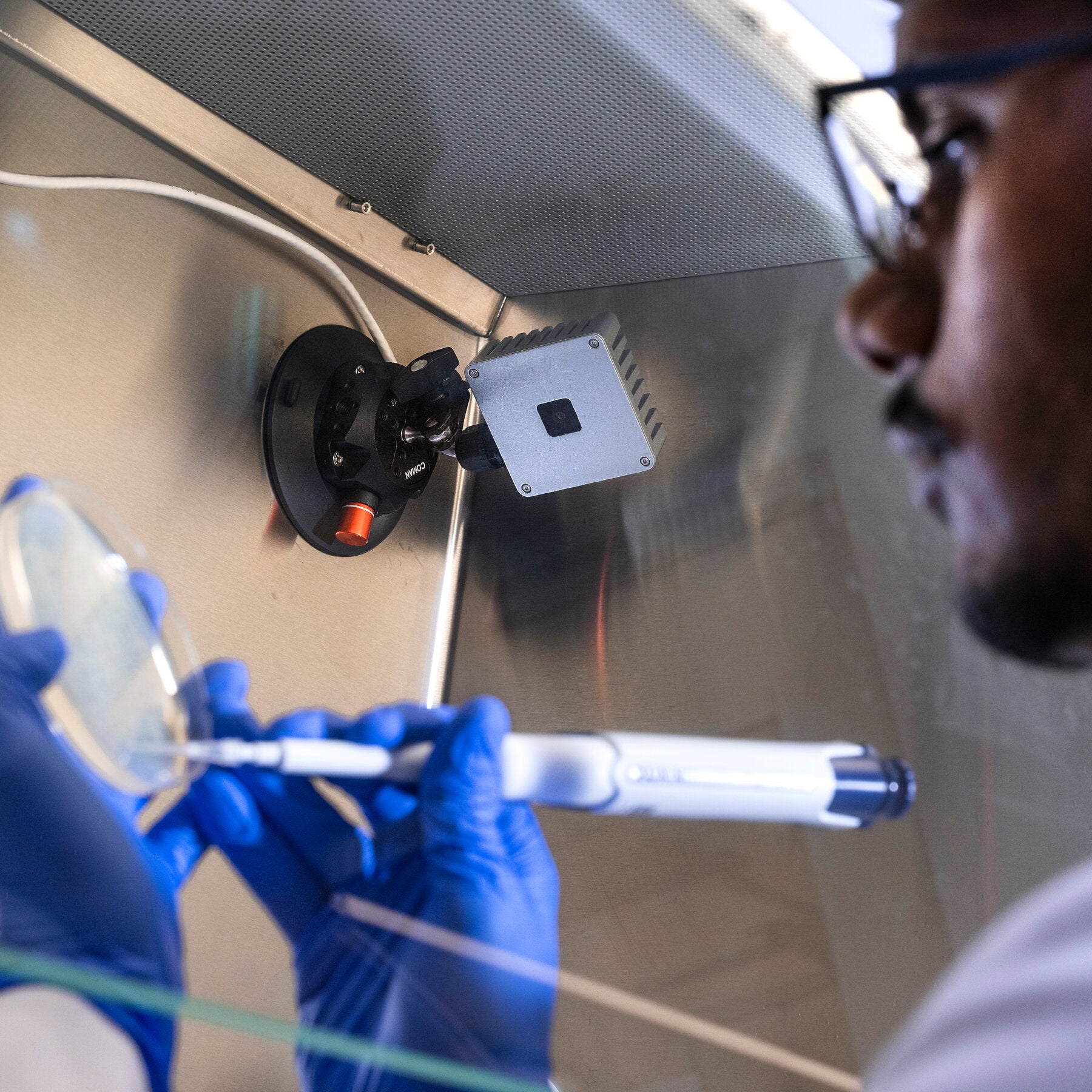
Google launches a pilot of double-blind AI evaluations, keeping external evaluations in a cryptographic "box" to stop benchmark contamination and protect IP (Google DeepMind)
Building trust in proprietary model benchmarks using cryptographically secure environments — Imagine a student is set to take a high-stakes exam.
Google is relocating its AI responsibility unit, which comprises 90 employees and focuses on risks associated with AI models such as chemical, biological, radiological, and nuclear threats, as well as the psychological impacts of chatbots, from its research lab, Google DeepMind, to the company's global affairs organization.
According to the Wall Street Journal, the move is part of Google's broader effort to shift DeepMind away from its semiautonomous status, established after Google acquired the lab in 2014, to a more traditional division like Google Search. This reorganization was announced on August 5, which also saw Demis Hassabis, co-founder and CEO of DeepMind, assume a new chairman role.
Some current DeepMind employees have expressed concerns that the change in reporting structure may hinder the team's ability to conduct independent research and limit their understanding of the latest AI models. A Google spokesperson responded to the WSJ, stating that unifying the AI responsibility teams will bolster their capacity to inform safety measures for Google's models and products.
In July, Hassabis had called for a US-led standards body to independently assess advanced AI models for national security threats before their release, encompassing both domestically and internationally developed frontier models, including both open and closed systems.
Written by urgent.news from PYMNTS's reporting — not their text. Machine-written — may contain errors; check the original before relying on it.
This story
This is one outlet's version. Read the fullest account.
- Google Shifts AI Safety Unit out of DeepMind Lab to Global Affairs pymnts.com
- Google DeepMind is losing its grip on elite AI talent, new data shows fortune.com
- Google is moving its AI safety team out of DeepMind and into its lobbying arm qz.com
- Internal email: Google is moving DeepMind's ~90-person "AI responsibility" team, focused on the risks and societal impact of AI, to Google's global affairs unit (Erin Woo/Wall Street Journal) wsj.com
- Google moves AI-risk team out of DeepMind amid broader restructuring - report seekingalpha.com