Ghana Maritime Authority partners with Upper West Assemblies and traditional leaders to enforce inland water safety
In a decisive bid to curb recurring river disasters and safeguard riverine commuters along the Black Volta, the Ghana Maritime Authority (GMA) has convened a high-level stakeholder dialogue with Municipal and District Chief Executives (MDCEs), security heads, traditional authorities, and boat operators at the Sem-B Hotel in Wa.
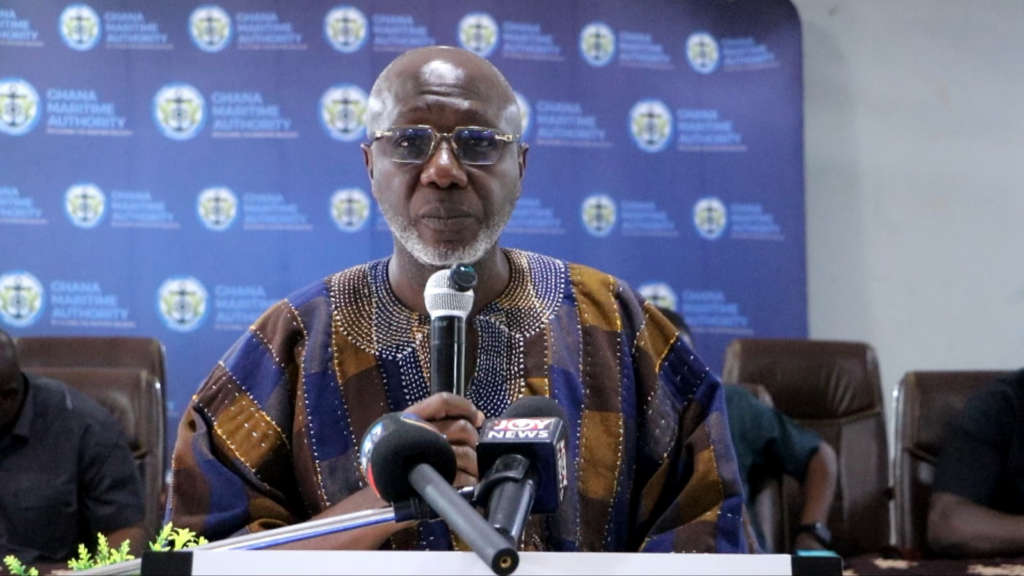
The Ghana Maritime Authority (GMA) has teamed up with local assemblies and traditional leaders in Ghana's Upper West region to strengthen safety measures on inland waterways. The partnership aims to prevent the recurring river disasters that have claimed numerous lives, particularly along the Black Volta River. The GMA organized a high-level meeting with Municipal and District Chief Executives, security officials, traditional authorities, and boat operators at the Sem-B Hotel in Wa to discuss the issue.
Under the initiative called Life Jackets for Safety and Livelihoods, the stakeholders sought to create a consensus among local communities and implement a "No Life Jacket, No Boarding" policy. This policy requires all passengers to wear life jackets before boarding any boat. The GMA Director-General, Naval Captain (Rtd) Dr. Kamal-Deen Ali, emphasized the importance of every life when he spoke about a tragic incident in Dikpe, Lawra Municipality, where seven students lost their lives last year.
He stressed that while the national maritime policy oversees international shipping, port security, and search-and-rescue operations, inland water safety has become a top priority for the current administration.
Dr. Kamal-Deen highlighted the establishment of the Black Volta Coordination Office in Wa and other regional command posts in Akosombo, Kete Krachi, Saboba, and Jomoro. Plans are underway to open an additional post near Bole to cover the Kalba catchment area. The GMA has also trained and deployed 200 Inland Water Safety Guards in the country, with a significant number allocated to the Upper West Region to monitor riverbanks and enforce passenger compliance with the life jacket requirement.
Issah Kantagere Issahaku, the Deputy Director of Public Relations at the GMA, presented data on casualty trends and interventions. He revealed that non-compliance and the lack of standard life jackets were the primary causes of drowning incidents. Notable cases include eight fatalities in 2025 across three boat accidents (seven of which were students in the Lawra corridor), 12 children drowning in Okuma, Kete Krachi, and a 2026 disaster in East Gonja District that claimed nine lives, including five members of a single family.
Written by urgent.news from MyJoyOnline Ghana's reporting — not their text. Machine-written — may contain errors; check the original before relying on it.
This story
This is one outlet's version. Read the fullest account.