Gebäudemodernisierungsgesetz: Die Dürre-Risiken der Grüngasquote
Bis 2045 soll die gasförmige Wärmeversorgung zu 100 Prozent auf grüne Gase umgestellt sein. Dafür braucht es auch den Anbau von Energiepflanzen – deren Anbau steht jedoch unter Druck.
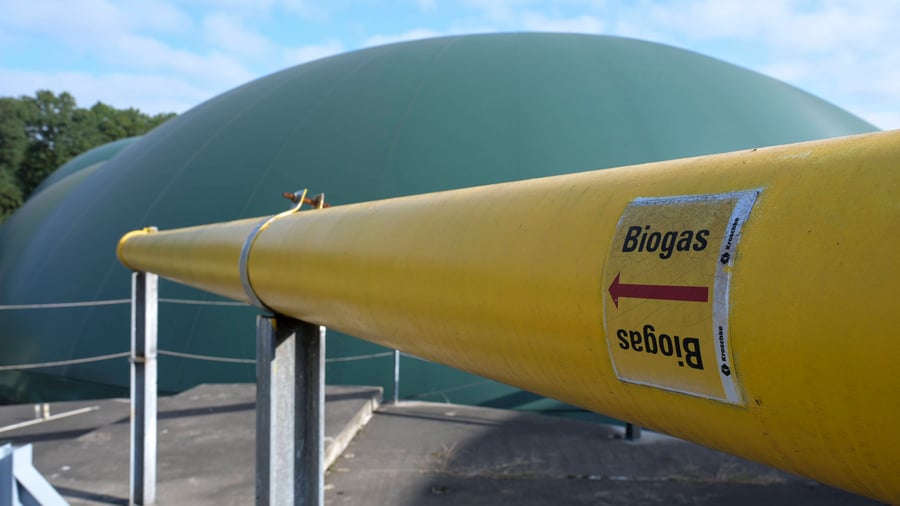
The German government aims to replace gas heating systems with "green" gas by 2045, as announced by the Federal Ministry of Economics (BMWE) and its new Green Gas Quota. A key component of this plan is biomethane, which is processed biogas. However, the ministry has not calculated how much biomethane will be needed and whether enough supply is available.
The only certain factor is the political goal of 100% green gas by 2045. This will require energy crops such as maize. According to a survey by the Forum for Renewable Raw Materials (FNR), energy crops covered about 12% of Germany's arable land in 2025. Climate change, however, could limit their yield in the future due to droughts.
Whether this aspect is considered in the BMWE's considerations for the Green Gas Quota has not been confirmed by the ministry. Neither the German Energy Agency (dena) nor its calculations on the required area and supply cover this factor. The conclusion is clear: "What is extreme today will be the norm tomorrow," warns Martin Schädler, a biologist at the Helmholtz Centre for Environmental Research (UFZ) in Halle, who studies the future agricultural production in the face of increasing climate change.
Written by urgent.news from Handelsblatt's reporting — not their text. Machine-written — may contain errors; check the original before relying on it.