Galapagos corals suggest climate change drives stronger El Niños
Coral records from the Galapagos Islands indicate El Niños have been gathering strength over the past 40 years, in line with rising global temperatures
New research indicates that climate change may be intensifying El Niño events, according to a study analyzing coral records from the Galapagos Islands. El Niño events have been linked to severe weather patterns, including droughts, floods, and storms. Typically, observational records needed to determine trends in the El Niño-Southern Oscillation (ENSO) cycle, which drives El Niño events, only began in the 1980s.
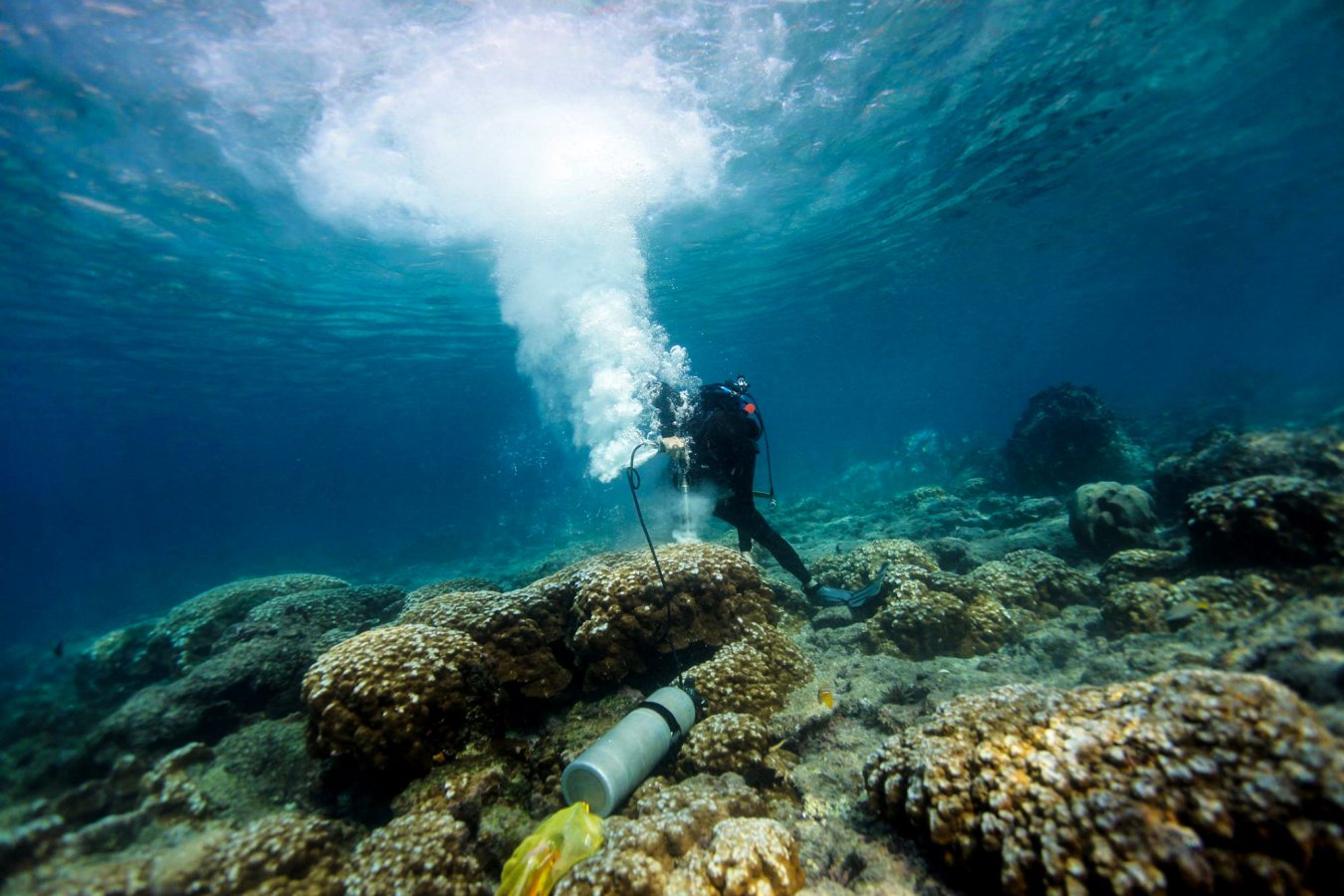
To overcome this limitation, researchers from the University of Michigan collected corals from around the Galapagos Islands, where El Niños first develop. By using uranium and thorium dating and analyzing the chemical composition of the corals' skeletons, the researchers constructed a 1,000-year time series of sea surface temperatures in the eastern Pacific.
The study found that variability in the ENSO cycle has increased by 36.5% compared to the pre-industrial period over the past 40 years, primarily due to more intense El Niño events. While the findings do not include the recent El Niños in 2015, 2023, and 2026, they are consistent with the identified trend. Lead researcher Julia Cole emphasizes that the evidence suggests a strong connection between climate change and the intensification of El Niño events.
Written by urgent.news from New Scientist's reporting — not their text. Machine-written — may contain errors; check the original before relying on it.