Extreme weather has cost California farmers over $800 million this year
Legacy farming practices depend on predictable weather patterns, but today's extreme weather requires effective, real-time interventions.
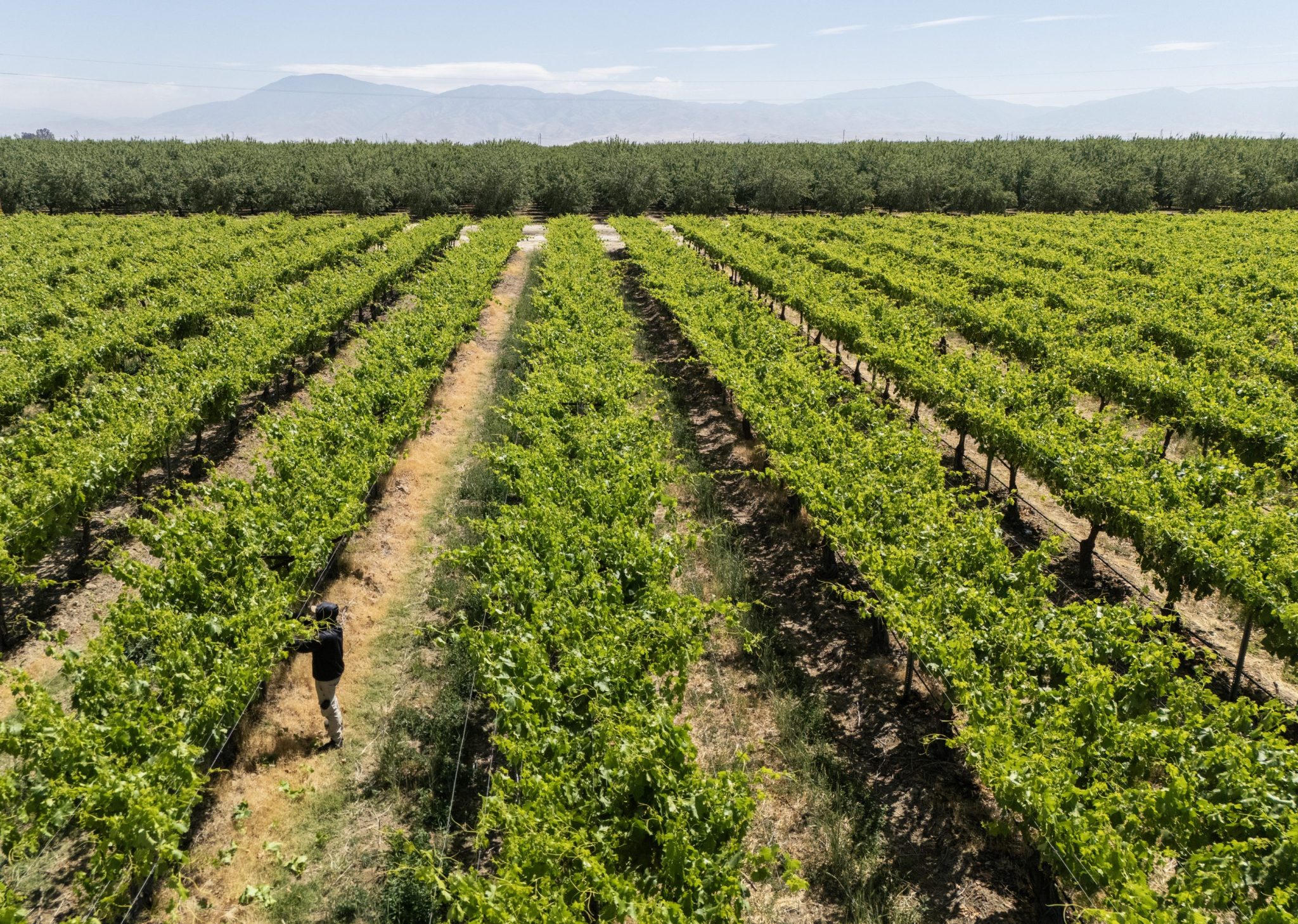
California's agricultural industry is reeling from extreme weather conditions, with farmers facing losses exceeding $800 million this year. A severe drought, exacerbated by unusually warm early spring temperatures, has left snow levels in the Northern Sierra and Cascade mountains at a record low of 0% of their typical June average.
This critical natural resource, essential for summer and fall water supply, has been severely impacted. In June, the national weather service issued warnings for lethal temperatures across parts of California, including sections of Oregon and Washington.
Almonds, California's top crop by acreage and export value, are particularly affected. The state produces 80% of the world's almonds, with over 7,000 almond farms. Water restrictions and higher costs are making it challenging for growers. The situation is similar for pistachios, another key California crop. The U.S. accounts for over 99% of global pistachio production, with California accounting for more than 60% of that.
Over 600,000 acres of pistachios are planted in the Central Valley, contributing over $1.6 billion to the state's economy. Fresno, Kern, and Tulare counties alone reported a $800 million loss for pistachio production this year.
The University of California recently offered workshops on growing crops during extreme weather and climate variability. California, while representing a small share of the country's farmland, leads the nation with specialty crops, fruits, vegetables, nuts, and dairy. The state provides nearly 75% of the nation's fruits and nuts and over a third of all vegetables.
However, extreme heat and persistent drought pose serious threats to California's multi-billion dollar specialty crop industry. These crops are highly sensitive to environmental impacts, and changing weather patterns disrupt plant biology, deplete water infrastructure, and increase operating costs. To combat these challenges, the agriculture industry needs new technologies to reduce water use, labor, and increase crop yield.
Traditional farming methods are no longer sufficient to handle the speed and intensity of these environmental changes.
Written by urgent.news from Fortune's reporting — not their text. Machine-written — may contain errors; check the original before relying on it.