Don’t Freak Out Over the Pentagon’s Europe Plans
Congress, European nations, and Trump himself stand in the way of major changes.
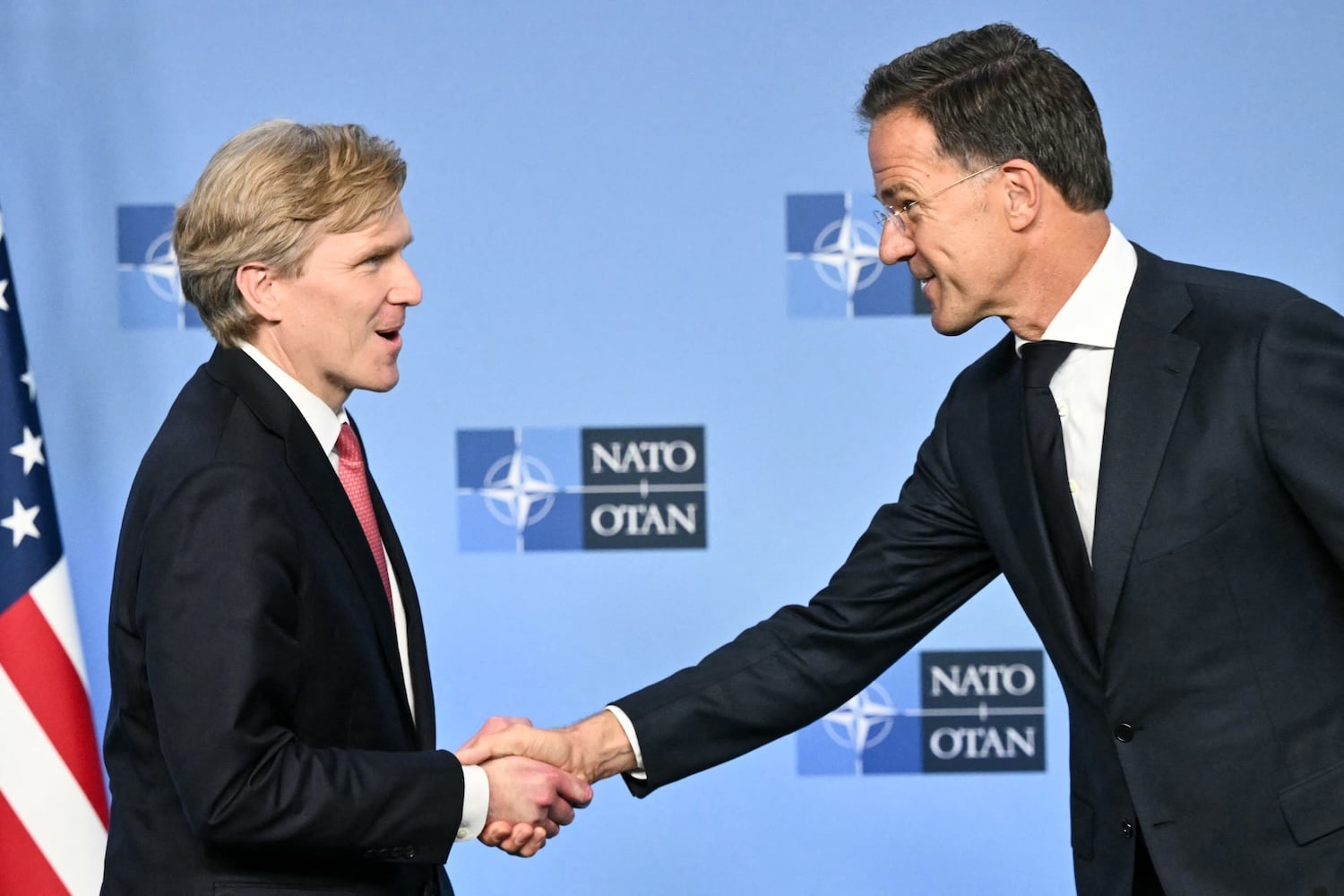
The U.S. military is considering reducing its forces in Europe as part of the Trump administration's reevaluation of its presence on the continent. However, competition among priorities could hinder the Defense Department's ability to make major reductions some officials desire. On July 27, Pentagon policy chief Elbridge Colby announced a six-month review of U.S. forces in Europe, aimed at "fast and irreversibly" establishing primary responsibility for conventional defense.
The U.S. currently maintains around 80,000 military personnel in Europe, with a majority stationed in Germany. Other host countries include the United Kingdom, Spain, Italy, Poland, Romania, Greece, and Estonia. These troops protect host nations and serve as a means for Washington to project power into Africa and the Middle East. However, Colby has repeatedly emphasized the need to prioritize Asia over Europe and the Middle East to counter China's growing influence.
While some early indications suggest Colby's team may propose significant cuts to U.S. forces in Europe, the process faces challenges. Competing priorities could slow down the drawdowns, and the political climate could complicate the process. In October 2025, the Defense Department withdrew around 3,000 troops from Romania, and in December, the U.S. reportedly informed European nations to be prepared to take over most of their conventional defense by 2027.
In May, the Pentagon canceled a planned deployment to Poland, though President Trump later reversed the decision, instead sending 5,000 troops there. In June, the U.S. announced major cuts in forces, aircraft, and warships for Europe if NATO were attacked.
Colby's team is likely to present four possible options for Defense Secretary Pete Hegseth's review by November 6. The countries at risk for potential troop reductions may be influenced more by political loyalty to the Trump administration than military considerations. Spain and Italy, in particular, could face politically motivated punishment due to their leaders' strained relationships with Trump over the Iran war.
Germany has already experienced such policymaking when Trump announced a withdrawal of 5,000 troops after German Chancellor Friedrich Merz criticized the Iran war, though the process is expected to take "years."
The U.S. Department of Defense has not responded to requests for comment, but Colby's ambitions may be complicated by external political factors. The ongoing war with Iran depends on access to U.S. air and naval bases in Europe, meaning those assets are less likely to be moved out of the continent. However, in other areas, the scope of changes in the near term may be limited, according to Jennifer Kavanagh, director of military analysis at Defense Priorities.
Past Pentagon efforts to reduce forces in Europe have faced resistance from Congress, suggesting that Colby's initiatives may also encounter similar obstacles.
Written by urgent.news from Foreign Policy's reporting — not their text. Machine-written — may contain errors; check the original before relying on it.