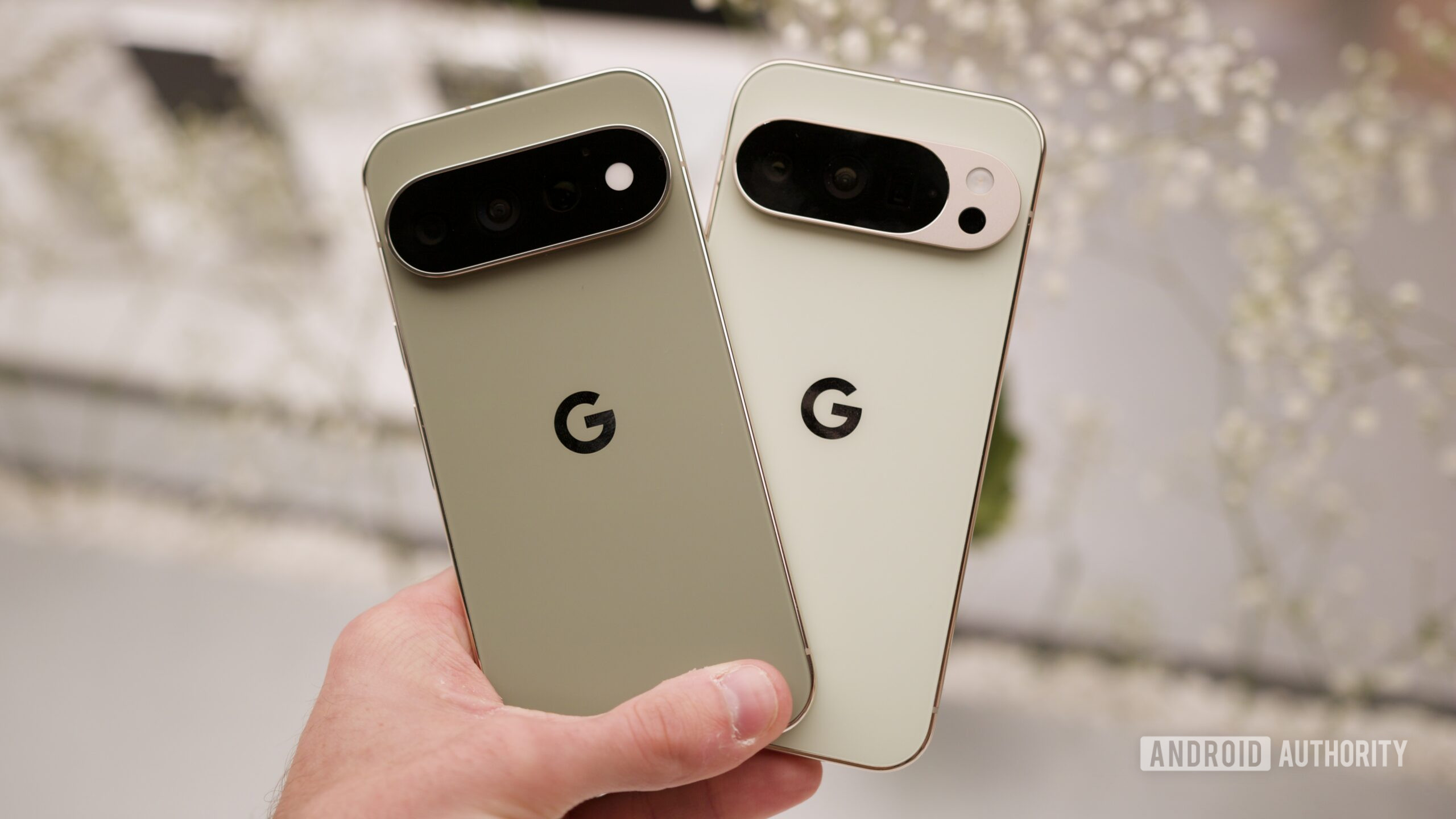
Does Apple’s Smart HDR spell game over for traditional cameras?
iPhone’s use clever Smart HDR and Deep Fusion AI to merge the best bits from multiple exposures rapidly, making it hard for traditional cameras to keep up The post Does Apple’s Smart HDR spell game over for traditional cameras? appeared first on Amateur Photographer .
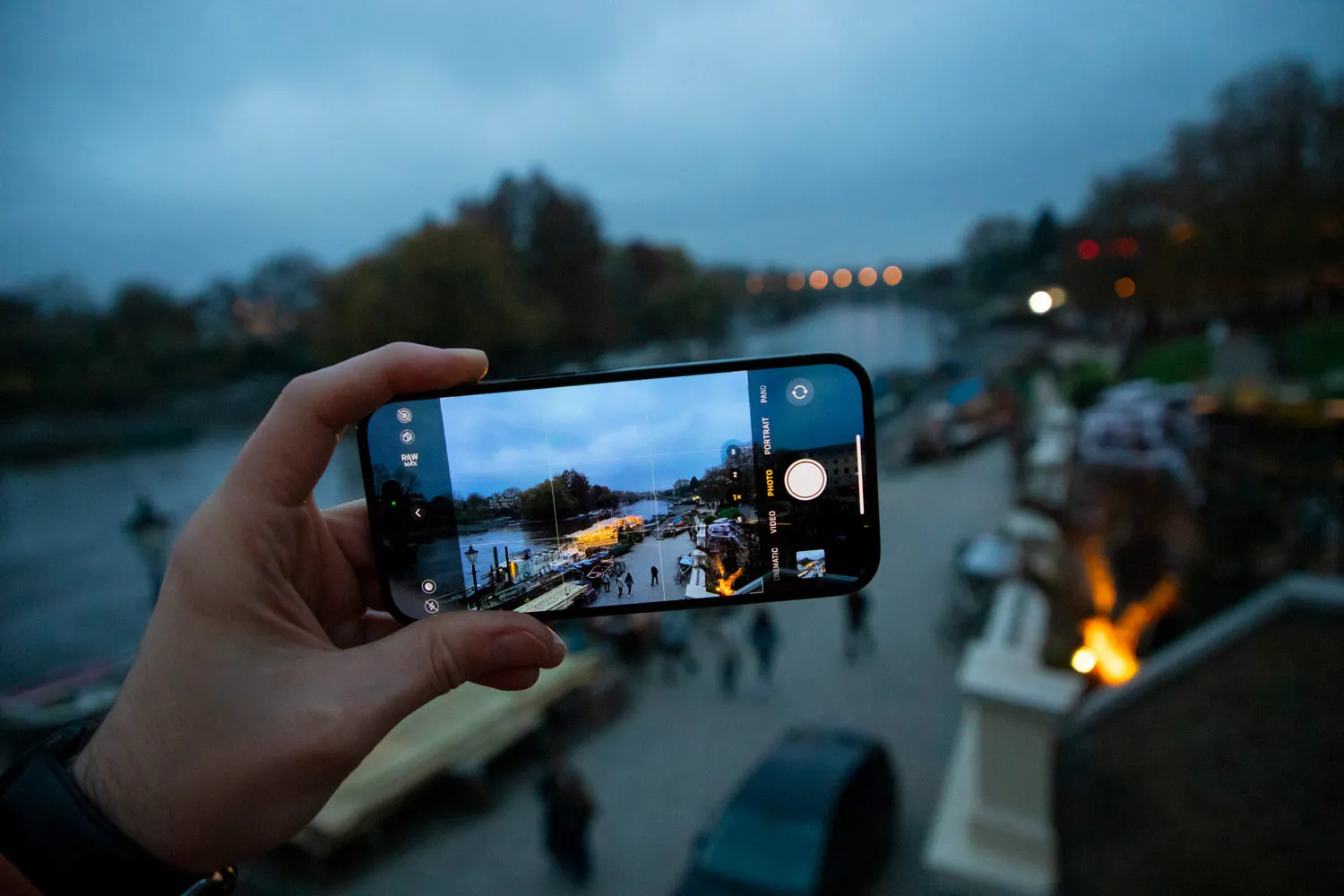
Apple's Smart HDR technology has raised questions about the future of traditional cameras. When mobile phone photography began to gain traction, images produced were often grainy, pixelated, and of low resolution. The first phone capable of producing decent images was the Sony Ericsson W810i, which featured a 2MP sensor. Over the past two decades, smartphone cameras have evolved to use sensors similar in size to those in professional cameras, but with enhanced technology enabling higher megapixels and better processing.
Smartphones are now taken seriously for photography and video, with notable examples including Danny Boyle's use of the iPhone 15 Pro Max for his film 28 Years Later.
While camera sensor sizes in smartphones have not significantly changed in the last two decades, manufacturers have introduced multiple camera sensors and lenses to overcome this limitation. The iPhone 7 Plus was one of the first to do so, aiming to cover a wider range of focal lengths and extend the zoom range. However, these additional sensors allow the phone to analyze the scene more accurately, improving focus, white balance, and other aspects.
Some smartphones can even capture 3D content, a feature not easily replicated with traditional cameras due to their reliance on a single lens.
Moreover, features like LiDAR have made modern smartphones, such as the iPhone 17 Pro Max, incredibly versatile, almost akin to having an all-in-one tool in one's pocket. Traditional cameras, with their multiple lenses, can switch focal lengths on the fly, an advantage they hold over smartphones. However, when it comes to shallow depth of field, traditional cameras still have the upper hand, thanks to their ability to use wide apertures like f/1.8 to blur backgrounds.
Many smartphone manufacturers attempt to replicate this effect using software and AI, but the results are far from perfect, according to some observers.
Written by urgent.news from Amateur Photographer's reporting — not their text. Machine-written — may contain errors; check the original before relying on it.