Congo begins Ebola vaccinations to fight country's worst outbreak in history, health minister says
The vaccination campaign was officially launched in Kisangani, the capital of Tshopo province, in the country's east, Health Minister Roger Kamba said.
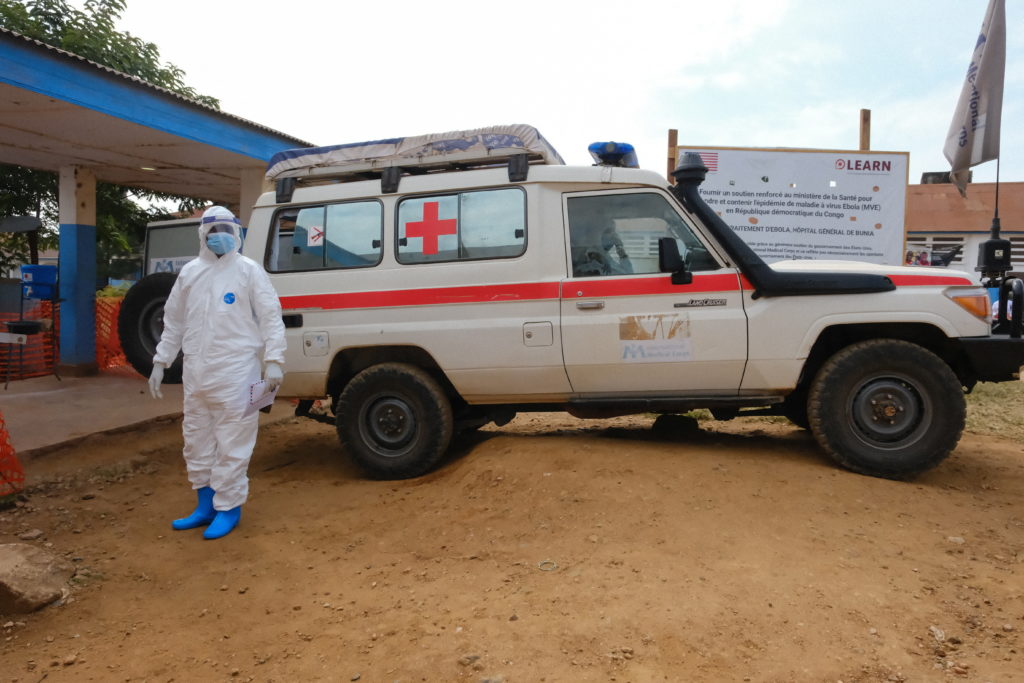
In June 2026, the Democratic Republic of Congo (DRC) national football team, known as the Leopards, made history by participating in the FIFA World Cup for the first time in 52 years. Despite the team's impressive start, gaining a goal and a celebratory back-flip against England, the underlying issues in the DRC remain dire. The country, Africa's second-largest and the 11th largest globally, faces significant challenges, including political instability and civil strife since gaining independence from Belgium in 1960.
Currently, the DRC is grappling with a conflict between the M23 rebel group and government forces, leading to thousands of civilian deaths and the displacement of over five million people.
This conflict has been ongoing in the eastern provinces of North Kivu and South Kivu, including the provincial capitals of Goma and Bukavu, and has been bolstered by the presence of the M23 militia, led by ethnic Tutsis and backed by Rwanda, a claim denied by Rwanda itself. Despite recent progress in peace negotiations post-mid-May 2026, the situation in these provinces remains volatile, especially with the emergence of a new strain of the Ebola virus, Bundibugyo, in Ituri and North Kivu.
This strain has led to over 5,500 cases and more than 2,600 deaths in the last 100 days, with a case fatality rate of around 48 per cent. This outbreak is the fastest-growing and deadliest in DRC's history, nearing the scale of the 2014-2016 West African Ebola epidemic.
The epicentre of the Ebola outbreak, Ituri, has been a decades-long conflict zone, contributing to a neglected public health system. Mistrust and suspicion of health workers, particularly foreign ones, further complicate the situation, as does the reluctance of some communities to allow traditional funeral rites, which may act as super-spreader events.
The World Health Organization (WHO) has declared the Ebola situation in DRC a Public Health Emergency of International Concern, deploying over 160 health experts to the region. Additionally, organizations like the Africa CDC and various NGOs, along with countries like India, have contributed medical aid and supplies to combat the epidemic.
Despite the global response to the Ebola crisis, it lacks the fervor seen during previous outbreaks, such as in West Africa a decade ago. Several factors contribute to this muted response, including the dismantling of USAID, the US withdrawal from the WHO, reduced media coverage of gloomy stories, and donor fatigue. India, recognizing the urgency, has supplied critical medical aid and pledged USD 10 million at an African Union summit to support preparedness, response, and recovery efforts in Africa.
The WHO's head, Dr Jean Kaseya, has emphasized the importance of building Africa's health security first on the continent, with African capacities financed by African governments, partners, and the private sector. Thus, the success of the Ebola campaign in DRC is intricately linked to the progress of the peace process in the country.
Written by urgent.news from The Indian Express's reporting — not their text. Machine-written — may contain errors; check the original before relying on it.