Computerspiele mit Mehrwert: Dezente Wissensvermittlung: „Serious Games“ sind im Kommen
Eine ernste Sache, die Spaß machen soll: Bei „Serious Games“ wird spielerisch Wissen vermittelt – ob über die DDR-Vergangenheit, die RAF oder Islamismus. Das Interesse an solchen Spielen steigt.
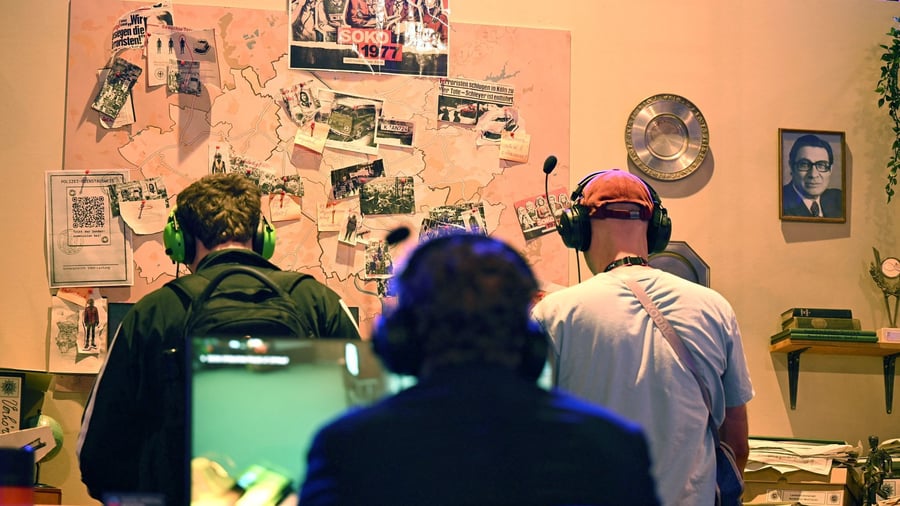
Serious games, or games with educational value, are gaining popularity in Germany. One such game, "Soko 1977," was presented at Gamescom and aims to educate players about the Red Army Faction (RAF) terror attack that occurred in the 1970s. Developed by the Berlin studio Paintbucket Games, "Soko 1977" was funded by the federal government and costs €400,000 to create.
The game is part of a larger trend of serious games, which use gaming as a medium to convey political and historical content. These games are designed to be fun while also informing players about complex issues.
Another serious game, "Wer ist Bilal?," tackles the dangers of extremism and has been downloaded nearly 50,000 times from app stores and viewed over a million times on its website. However, the effectiveness of these games in reaching those with weak democratic understanding is debatable. The Bundeszentrale für politische Bildung (bbp) emphasizes that serious games should not feel like learning experiences, especially for those who may be wary of political education.
Instead, they should function as engaging games that players can enjoy and discover the educational content through incidental means.
A third serious game, "Grenzgänger," focuses on the escape from the DDR and the challenges faced by refugees in the 1980s. Developed by Playing History, the game aims to foster understanding of the complex emotions and experiences of those affected by the fall of the Berlin Wall. With the support of the Stiftung Orte der deutschen Demokratiegeschichte and the Hessische Digitalministerium, "Grenzgänger" is expected to have a strong impact on players, encouraging them to reflect on historical events and develop a more nuanced understanding of migration and integration.
Written by urgent.news from Handelsblatt's reporting — not their text. Machine-written — may contain errors; check the original before relying on it.