CIA Chief Warned Russia Against Attacking NATO During Secret Moscow Visit: Report
Central Intelligence Agency (CIA) Director John Ratcliffe warned Russia against attacking NATO member states during a secretive visit to Moscow this week amid US intelligence assessments that Moscow could seek to test the military alliance, according to multiple people familiar with the matter. Ratcliffe also raised Iran during the visit, warning Russia of additional sanctions if the Strait of…
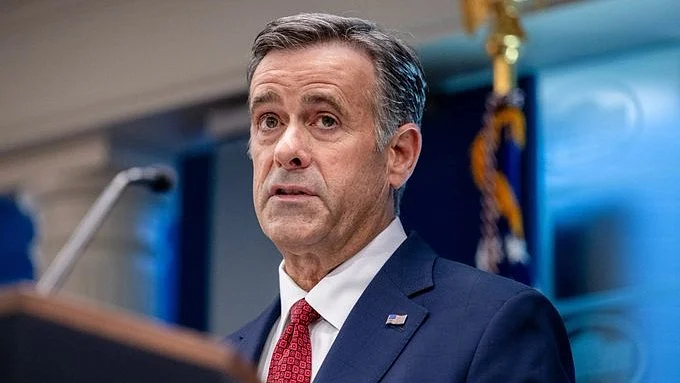
CIA Director John Ratcliffe visited Moscow this week to caution Russia against attacking NATO member states, according to US intelligence sources. In addition, Ratcliffe addressed Iran during the clandestine trip, threatening additional sanctions if the Strait of Hormuz remained closed to shipping traffic, reported CBS News. The visit, which marked Ratcliffe's first known trip to Russia as CIA director, emerged after US Air Force jet was seen arriving at a Moscow airport and a diplomatic motorcade was observed in the city.
Ukraine had been informed of the impending US delegation's arrival and was requested to halt all strikes during the visit, according to a senior Ukrainian official. US President Donald Trump confirmed the Moscow visit in a recent interview with radio host Glenn Beck, stating it was not related to Iran or Russia's intentions to test NATO.
He hinted at potential outcomes from the trip, suggesting it could be linked to efforts to put an end to Russia's conflict with Ukraine. Kremlin spokesperson Dmitry Peskov confirmed Ratcliffe held discussions with Russian intelligence officials but did not meet Russian President Vladimir Putin. Peskov dismissed media reports about the purpose of Ratcliffe's visit as "scare stories" lacking reality.
On Thursday, Peskov also denied media claims about the mission's objectives, stating Russia faces aggressive policies from European countries. Recent US intelligence assessments suggest that Russian President Vladimir Putin might authorize provocative actions on NATO territory, including cyberattacks and hybrid operations, though these actions may not necessarily lead to a war.
These actions would aim to test NATO's cohesion and the Trump administration's commitment to protecting its allies. US officials cited recent Russian actions, such as drone incursions into Romania, a Russian missile crossing into Poland, and an increase in sabotage operations and cyberattacks in Europe, as evidence of heightened tensions.
Under Article 5 of NATO's founding treaty, alliance members are obligated to defend one another in the event of an attack. Trump has historically questioned NATO's reliability, criticizing member states for inadequate contributions to their own defense. He has also advocated for Russia and Ukraine to resolve their four-year conflict, although diplomatic efforts have thus far proved unsuccessful.
Written by urgent.news from Free Press Journal's reporting — not their text. Machine-written — may contain errors; check the original before relying on it.