Carbon market initiative to open door to private capital for climate action
National Carbon Market Policy can serve as a financing mechanism by attracting private investment into low-carbon projects and environmental conservation.
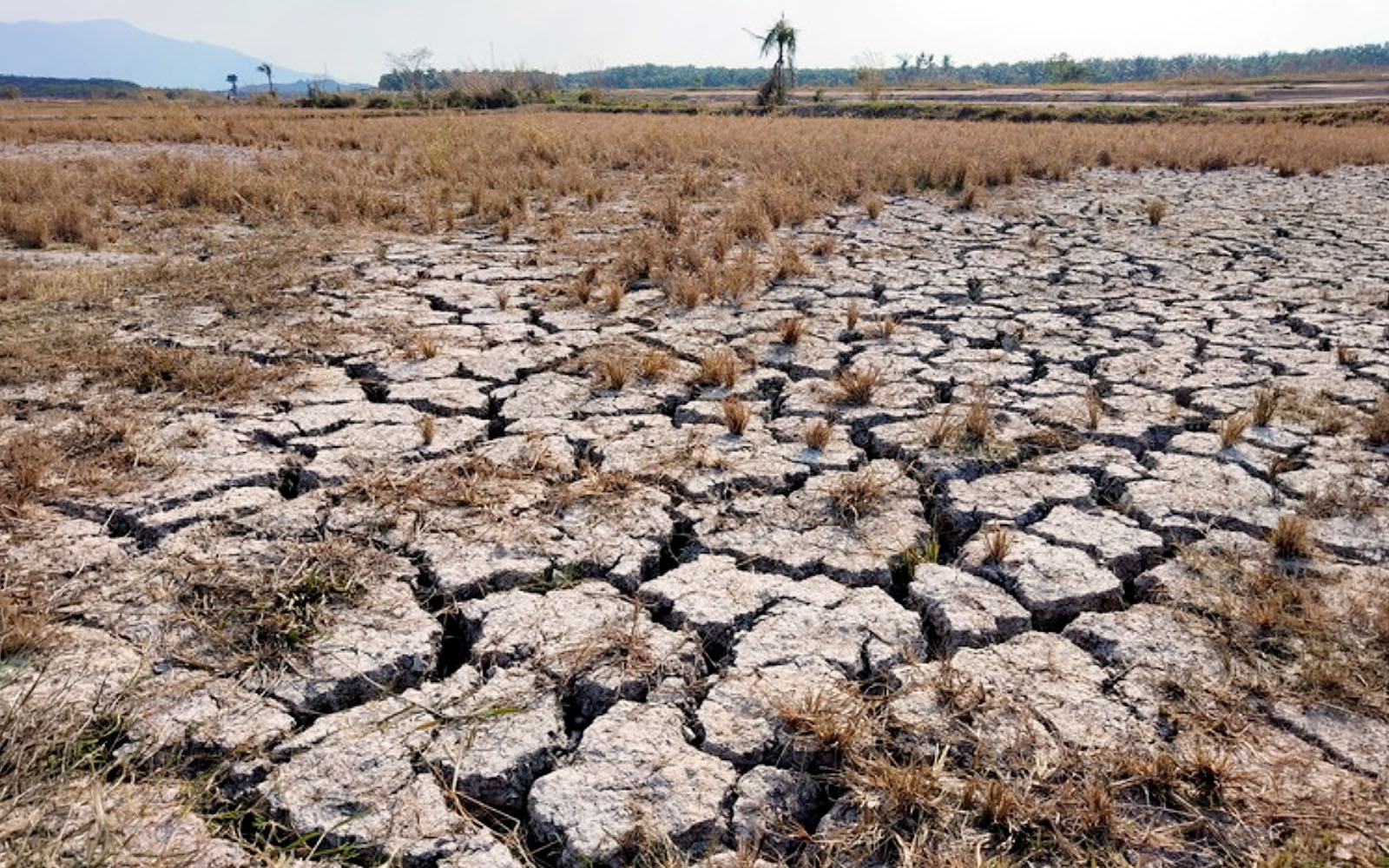
Climate change has transformed from solely an environmental concern to one with significant economic ramifications, as evidenced by Malaysia's mounting financial losses due to extreme weather events. In 2025, floods alone inflicted RM636.9 million in damage, while 2024 saw RM933.4 million in losses. These events have damaged homes, infrastructure, public assets, agricultural land, vehicles, and business premises.
The World Bank predicts that heat stress, floods, and dwindling crop yields could reduce Malaysia's GDP by up to 8.3% by 2050 if mitigation efforts are not implemented.
To address this challenge, the Malaysian government has launched the National Carbon Market Policy (NCMP), intended to establish a transparent and high-integrity carbon market. The policy encompasses mechanisms for carbon credit generation, verification, and trading. Essentially, each carbon credit signifies the prevention or removal of one tonne of carbon dioxide equivalent (tCO₂e) from the atmosphere.
Environmental economics lecturer Norlida Hanim Salleh explains that while greenhouse gas (GHG) emissions are essential for maintaining Earth's temperature, excessive concentrations trap heat, leading to global warming and increased temperatures.
Khairul Amri Kamarudin, dean of Universiti Sultan Zainal Abidin's Faculty of Applied Social Sciences, urges the NCMP to be perceived as a climate-financing mechanism, not merely a carbon credit trading system. He emphasizes that climate-related projects are expensive, and the government cannot bear the entire financial burden alone. Thus, private capital, financial institutions, and international funding sources must play a crucial role.
However, Kamarudin cautions against using the carbon market as a loophole for companies to continue polluting and purchasing credits to offset emissions. He advocates for prioritizing emissions reduction and employing carbon credits only for emissions that are difficult to avoid. This may involve enhancing energy efficiency, utilizing renewable energy, clean technologies, and low-carbon production processes.
The NCMP could potentially finance such projects through the carbon market while promoting investment in solar energy, waste management, forest restoration, and low-carbon technologies. Nevertheless, Khairul stresses that the carbon market's success hinges on its ability to deliver genuine emissions reductions, rather than merely increasing credit volume. Forest conservation, for instance, not only absorbs carbon but also regulates water flows, protects catchment areas, mitigates erosion, and preserves biodiversity.
NCMP aligns with Malaysia's commitment to reduce emissions by 15 to 30 million tonnes of CO₂ equivalent by 2035 and achieve net-zero GHG emissions by 2050. It also serves as a foundation for future carbon-pricing instruments, including an emissions trading scheme (ETS) and carbon tax. Moreover, the policy supports Malaysia's participation in international carbon markets under Article 6 of the Paris Agreement.
Concurrently, the National Climate Change Bill, currently under finalization, aims to strengthen the legal framework, emissions reporting and verification, and the national carbon registry, ensuring transparency and reducing the risk of double counting.
Written by urgent.news from Free Malaysia Today's reporting — not their text. Machine-written — may contain errors; check the original before relying on it.
This story
This is one outlet's version. Read the fullest account.
- Carbon market initiative to open door to private capital for climate action freemalaysiatoday.com