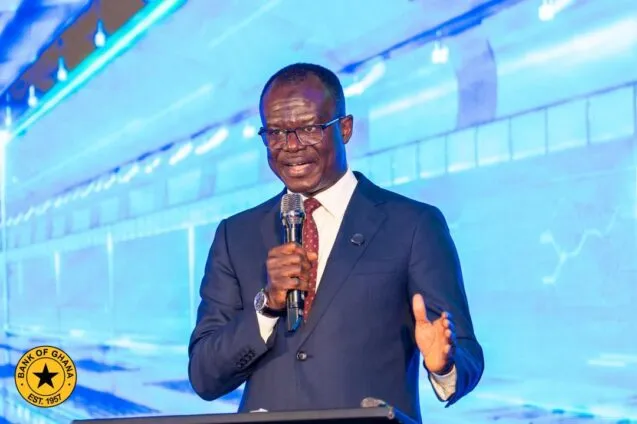
BoG deploys AI to improve inflation forecasting and economic data gathering – First Deputy Governor
The Bank of Ghana (BoG) has deployed Artificial Intelligence to strengthen its inflation forecasting and improve the way it gathers and analyses economic data.
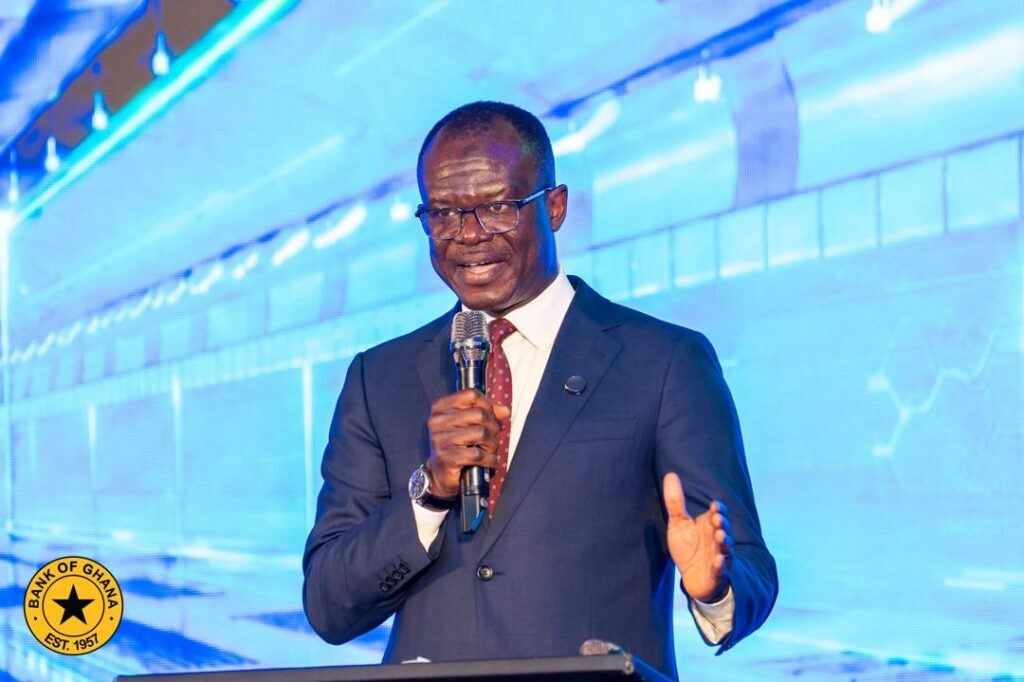
The Bank of Ghana has implemented Artificial Intelligence to enhance its inflation forecasting and streamline its economic data gathering and analysis processes. First Deputy Governor Dr Zakari Mumuni revealed this development during the 4th Annual Statistics and Data Science Conference in Tamale. Dr Mumuni explained that AI and other modeling tools have enabled the Bank to improve the precision of its inflation predictions, even ahead of the release of official data.
He also mentioned that machine-learning models are utilized alongside traditional econometric models to forecast GDP and conduct text-mining analytics. The deployment of technology is also transforming the central bank's approach to financial supervision. Previously, supervisors heavily relied on static monthly spreadsheets that required manual reconciliation.
However, with the advent of advanced data, risks can now be identified earlier as the information arrives. The Bank continues to use econometric techniques and its Quarterly Projection Model, housed within a Forecast and Policy Analysis System, to assess economic developments and guide policy decisions. Dr Mumuni emphasized that while technology can augment intelligence in policymaking, it does not replace the need for human judgment.
He recalled the Governor's directive in February 2025 to adopt a more proactive and precise approach to managing inflation through advanced data analytics and AI. The central challenge for policymakers, according to Dr Mumuni, is not just the availability of data but transforming vast amounts of information into useful intelligence.
He stressed that data alone is insufficient to inform policy decisions. The Bank still gathers data directly from communities and businesses across the nation. Research Department staff are actively conducting price tracking in markets, including in Tamale, and conducting various surveys to ensure that the Monetary Policy Committee bases its decisions on the country's economic reality, not just the data from Accra.
Dr Mumuni urged statisticians and researchers to ensure that new technologies complement, rather than replace, sound statistical methods. He encouraged statisticians and policymakers to collaborate more closely, with researchers understanding the questions policymakers face while policymakers remain open to researchers' inquiries that may challenge the data.
Written by urgent.news from Joy Business's reporting — not their text. Machine-written — may contain errors; check the original before relying on it.
This story
This is one outlet's version. Read the fullest account.