Bessent, Warsh diverge on who should set the price of money
US Federal Reserve chair Kevin Warsh favours scaling back involvement, while the Treasury secretary has used unconventional tools to support market function.
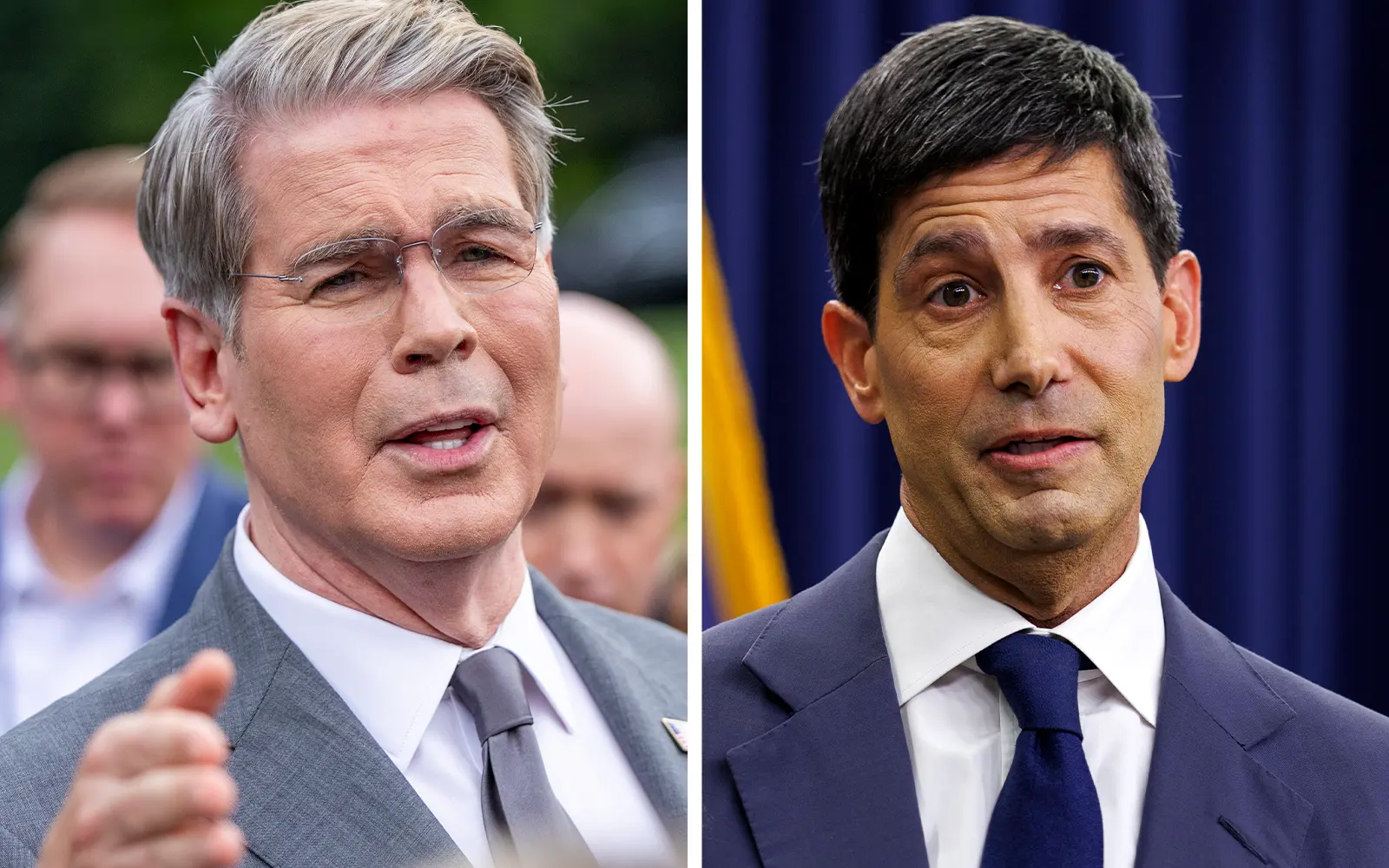
Treasury Secretary Scott Bessent and Federal Reserve Chair Kevin Warsh appear to have differing views on the government's role in determining interest rates, a crucial issue in US financial policy. Warsh has been advocating for a reduction in the Federal Reserve's communication policies, allowing bond markets to set rates more freely. In contrast, Bessent has taken a more interventionist approach, employing various tools to aid market function.
With the Trump administration focusing on curbing long-term borrowing costs, the contrast between the two approaches will be highlighted as Warsh speaks at the Fed's annual Jackson Hole event. Investors are concerned that Warsh may not be decisive enough in combating inflation during his first year as Fed chair. Bessent recently announced that the Treasury would double its buybacks of longer-dated debt, citing concerns that rising yields did not reflect fundamental factors.
However, some analysts argue that strong growth, high inflation, and heavy bond supply are driving yields up, and not just market dysfunction.
Billionaire investor Stanley Druckenmiller warned that Treasury's "price management" approach could undermine its credibility, as there is little evidence that Treasuries are overvalued. If bond yields don't reach their market-clearing price, it could impact other markets, including the dollar. Bessent's strategy aims to ease the economy's interest burden while preserving growth, but some investors believe that unscheduled Treasury buybacks could amplify the impact of their efforts.
While Treasury has limited influence on long-term yields, it can adjust its borrowing maturity mix and strengthen the banking sector's capacity to intermediate the Treasury market. The Federal Reserve, with its more powerful tools like setting short-term rates and buying or selling securities, has a greater capacity to shape broader conditions. However, Warsh prefers to limit the Fed's intervention, arguing that interventions should only be made when there's genuine market dysfunction.
Many analysts and portfolio managers agree that tweaks to buybacks, issuance, and market plumbing may not fix the persistent fiscal deficits, which have become more acute. The best solution, according to some, would be for policymakers to embrace debt reduction driven by stronger growth, which would require either higher taxes or lower spending.
Written by urgent.news from Free Malaysia Today's reporting — not their text. Machine-written — may contain errors; check the original before relying on it.
This story
This is one outlet's version. Read the fullest account.
- Bessent, Warsh diverge on who should set the price of money freemalaysiatoday.com