Bess interests: Why battery storage is the missing link for renewables
Battery energy storage systems are gaining momentum for good reason. They are in a position to address some of the most pressing needs in the power market . Often referred to as 'Bess', battery energy storage systems store electricity in rechargeable batteries to release energy when needed, potentially solving the problem faced by renewables and making them more suitable for mainstream use. They…
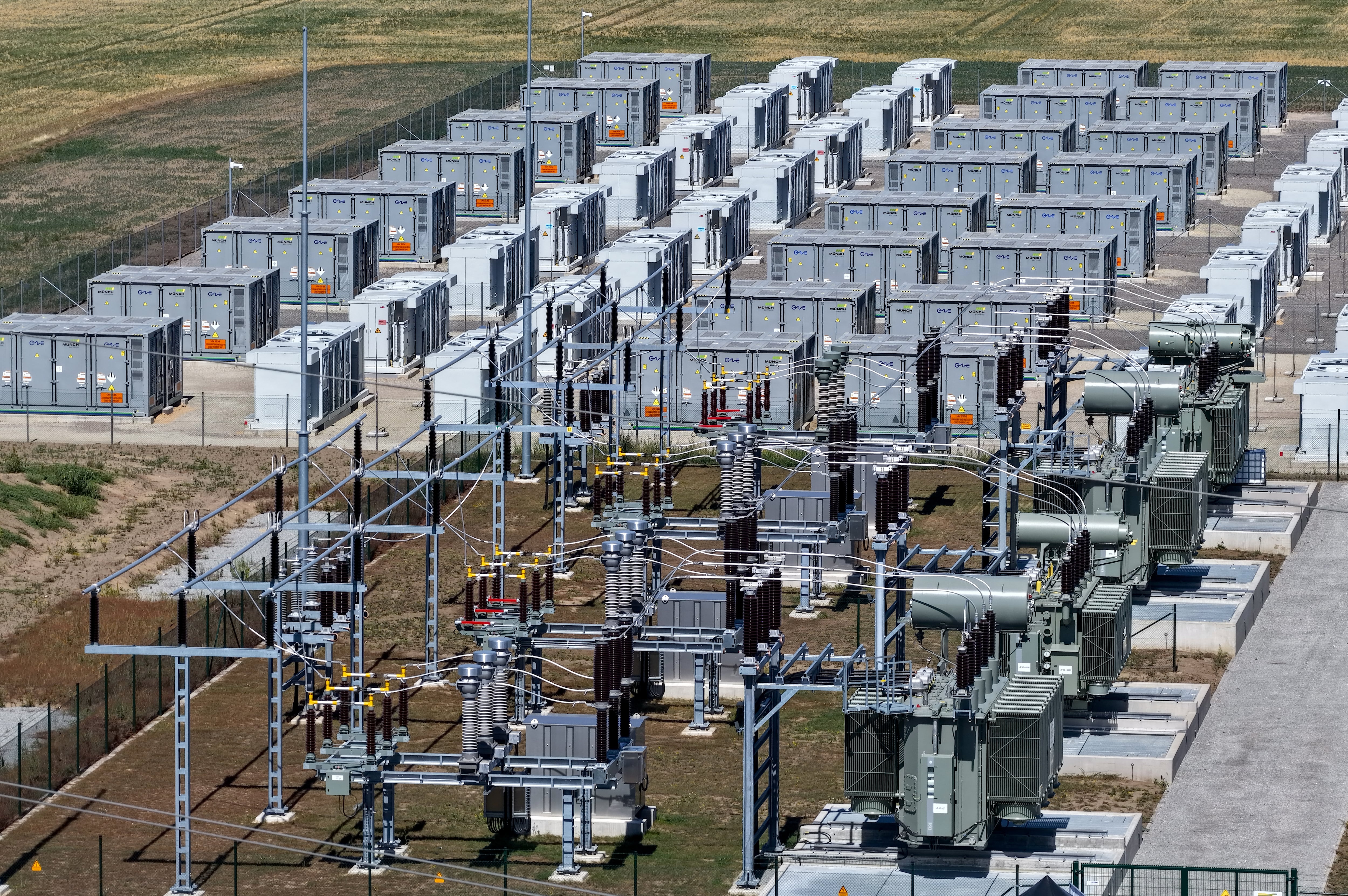
Battery energy storage systems, or Bess, are gaining popularity due to their ability to address the challenges faced by renewable energy sources. These systems store electricity in rechargeable batteries, which can be tapped into when needed, solving the intermittency issue posed by renewables and making them more suitable for mainstream use. They also help reduce energy costs and improve grid integration.
Bess is a critical component in the fight against climate change and is a key element of the 2015 Paris Agreement. Without global energy storage targets, the goal of tripling renewables by 2030 faces significant risks. The Novatrends Market Intelligence analysts state that the market is thriving as renewable energy deployment, grid modernization, electrification, data center expansion, and rising demand for power-system flexibility drive adoption of energy storage.
Bess supports various functions, including renewable integration, peak shaving, load shifting, frequency regulation, grid stabilization, backup power, energy cost optimization, and energy security. It works by capturing and storing energy generated by power stations, which can then be released later. This makes it an efficient way to supply power to off-grid applications or complement demand spikes.
The most common battery used in Bess is lithium-ion, which is also found in consumer electronics and appliances. Other options include lead-acid, sodium-sulfur, solid-state batteries, aluminium-sulfur, and flow batteries. Lithium-ion battery production is projected to increase sixfold between 2020 and 2025, with electric vehicles accounting for about 70% of the demand.
The market was valued at $150 billion in 2025 and is expected to reach nearly $200 billion by 2031, growing at a compound annual growth rate of about 17.2% from an estimated $89.9 billion this year. The Middle East is the fastest-growing segment of global battery demand, with a projected Bess capacity of 33.5GWh by the end of this year, with annual deployments of 2-3GWh.
Written by urgent.news from The National UAE's reporting — not their text. Machine-written — may contain errors; check the original before relying on it.
Also reported by 1 other outlet
- Bess interests: Why battery storage is the missing link for renewables thenationalnews.com