Bears and pest control: how Japan is spending its departure tax windfall
Billions of yen from a higher departure tax that Japan plans to use to support tourism are being channelled into projects that critics say offer limited direct benefit to travellers, including measures to prevent bear attacks and eradicate an invasive beetle. The Japanese government expects to raise 130 billion yen (US$817.7 million) in the 2026 financial year from the International Tourist Tax,…
Japan is using departure tax revenue to fund various projects, some of which critics argue provide limited direct benefit to travelers. The Japanese government expects to raise 130 billion yen (US$817.7 million) from the International Tourist Tax in the 2026 financial year, after increasing the levy to 3,000 yen per person on July 1, 2022.
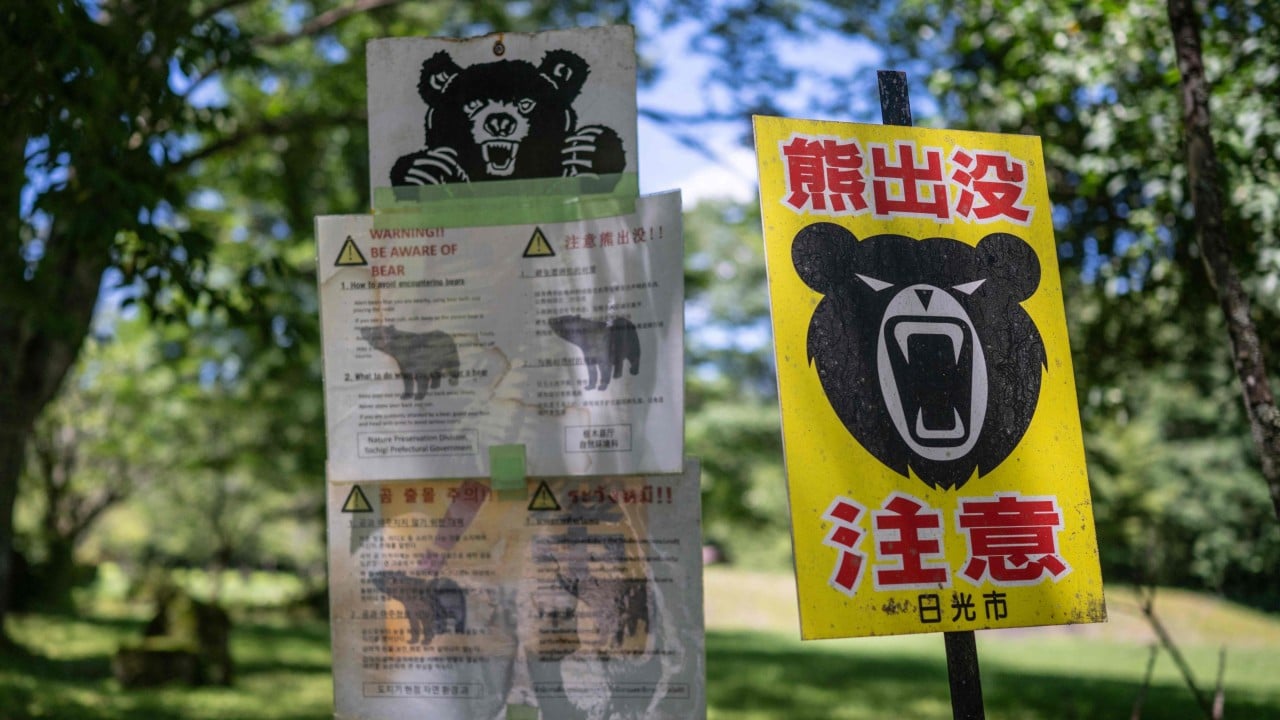
Funds will go towards promoting Japan as an overseas destination and developing large resort facilities. Critics, however, point out that billions have been allocated to bear attack prevention and an invasive beetle eradication scheme. Ashley Harvey, a travel marketing analyst, notes that bear control measures might appeal more to domestic audiences than international travelers.
The Environment Ministry justifies the 6 billion yen expenditure based on the risk of bear attacks, with 55 injuries and six fatalities reported since the financial year began. The ministry has been contacted for further comment. Additionally, 600 million yen is earmarked for cherry tree preservation, as many foreign tourists visit Japan during cherry blossom season.
While some in the tourism industry welcome the funding, there are concerns about local government bureaucracy consuming a significant portion of the money, making it less available for direct promotion efforts.
Written by urgent.news from South China Morning Post's reporting — not their text. Machine-written — may contain errors; check the original before relying on it.