Angeschaut und ausprobiert: Pixel-11-Serie punktet mit Kamera, KI und Updates
Google verpasst seiner neuen Generation von Pixel-Smartphones viele KI-Funktionen und ein verbessertes Kamerasystem. Warum sich das Upgrade vor allem für Besitzer älterer Geräte lohnt.
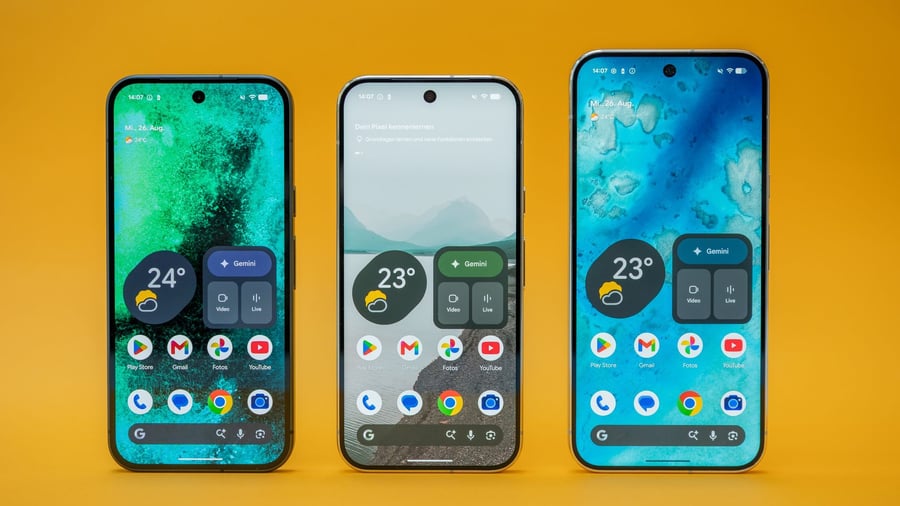
Google's Pixel 11 series impresses with its camera, AI capabilities, and updates. The regular Pixel 11 and Pixel 11 Pro are accompanied by the flagship Pixel 11 Pro XL. Alongside the established combination of clever software and powerful camera technology, the eleventh generation introduces several technical adjustments. The hardware and real-world test reveal where the 2026 Pixel smartphones excel and where they fall short.
The iconic Google design lives on through the sleek camera bar, which is now uninterrupted and prevents table wobble. The glass and aluminum housings are premium and IP68 protected against dust and water. A standout feature of the series is the OLED displays: the 6.3-inch Pixel 11 delivers a brilliant image with over 2,000 nits, while the LTPO panels of the 6.3-inch Pixel 11 Pro and 6.8-inch Pro XL reach peak values of up to 2,880 nits and over 3,000 nits in HDR mode, even in direct sunlight.
The status LED in the camera bar of the Pro generation is an annoyance rather than a welcomed return of a notification LED. It only reacts when using Gemini or calling selected contacts and cannot be configured freely for messenger apps like WhatsApp or Signal, nor is it available to third-party apps. This restricted hardware feature provides little practical value in everyday use.
Camera performance has seen significant improvements. The regular Pixel 11 benefits greatly from its first full-fledged 5x optical telephoto lens in addition to the main and ultra-wide cameras. The Pixel 11 offers a solid overall performance, thanks to the dedicated telephoto module, which preserves fine details with controlled image noise against competitors in the same price segment.
However, the basic camera module still has minor weaknesses in autofocus and detail rendering during challenging backlit scenes or extreme close-ups. Nevertheless, it reliably delivers vivid colors and precise skin tones in everyday use. The new Pro models take photography to an even higher level with an improved 50-megapixel main sensor and a newly developed 48-megapixel periscope telephoto camera with a larger 1/1.95-inch sensor.
This sensor captures over 30% more light, resulting in more plasticky images with greater depth. In DXOMark's test, the Pixel 11 Pro XL achieved 168 points and secured a top spot among the world's best camera smartphones. This impression matches our field test, especially regarding the excellent portrait rendering and superior performance in the telephoto range.
The combination of fine detail capture, natural texture reproduction, and low noise marks a clear improvement over the previous generation. Google has also eliminated the aggressive sharpening algorithms of previous years, making photos look pleasant and natural. Instant Night Sight speeds up night scene capture, allowing users to take photos in the dark without needing to hold the smartphone still.
The extended, AI-powered Pro Zoom provides astonishingly sharp edges and readable text at up to 120x magnification, but this is mainly achieved through generative image reconstruction. In dynamic movement scenes and very low light, iPhones still lead with stabilization and noise reduction. The Pixel 11 series receives praise for its solid video performance.
Even in dynamic motion scenes and very low light, the Pixel 11 devices perform solidly, although the iPhone 17 Pro still excels in stabilization and noise reduction. The Tensor-G6 processor, along with the Titan-M3 security chip, serves its purpose under the hood. While the system reacts smoothly in daily use, it lags behind in graphics and benchmark tests compared to top-tier processors from Qualcomm and Apple.
Gamers and other consumers demanding top performance from smartphones may find Google's decision to stick with 12 GB RAM in the base configuration of the higher storage variants perplexing. However, for practical usage, the 256 GB baseline storage finally adds modern convenience. The Pixel Watch 5 complements the smartphone lineup with its familiar round case, but the new Snapdragon W5 Gen 2, coupled with a three-gigabyte memory increase, sets it apart.
Written by urgent.news from Handelsblatt's reporting — not their text. Machine-written — may contain errors; check the original before relying on it.