Akharas, antique maces: Bengaluru exhibit brings traditional Indian wrestling to life
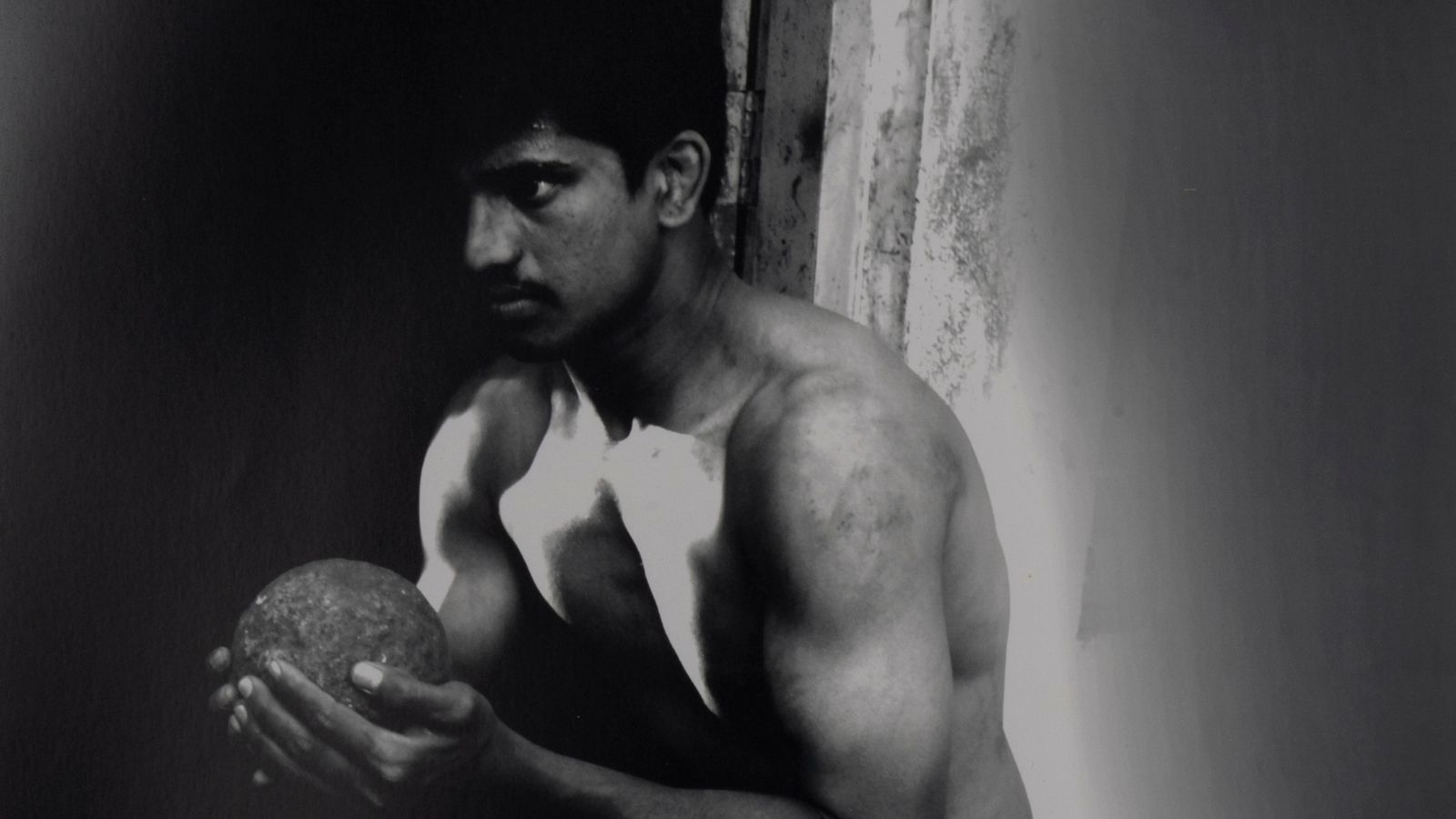
Wrestling, an ancient sport found across the globe, continues to thrive in its traditional form in India. Wrestlers compete on soft mud floors, preserving centuries-old practices. The traditional Indian wrestling form, known as kushti, is a vital part of India's living cultural history. The new exhibit, "Grip, Hold, Pin," at Bengaluru's Museum of Art and Photography, brings this tradition to life through high-end photography and antique artifacts.
The exhibit features traditional wrestling implements, including the meel or mace, jori clubs, and stone weights, which are around a century old. Photography plays a significant role in the exhibit, with works such as Prarthna Singh's "Champion" focusing on the lives and aspirations of women wrestlers. Indrajit Khambe's series highlights the broader context of the akhara, the living space of wrestlers.
However, many akharas today face economic challenges, with little state support. One 130-year-old akhara in Bengaluru, Blackpalli Dilcheer Taleem, found success by selling biryani in the afternoons. The exhibit also offers interactive elements, such as a card game educating visitors about wrestlers' lives, and QR codes providing audio narration and context for the displays. "Grip, Hold, Pin" is free to visit at the museum until November 1, except on Mondays.
Written by urgent.news from The Indian Express's reporting — not their text. Machine-written — may contain errors; check the original before relying on it.