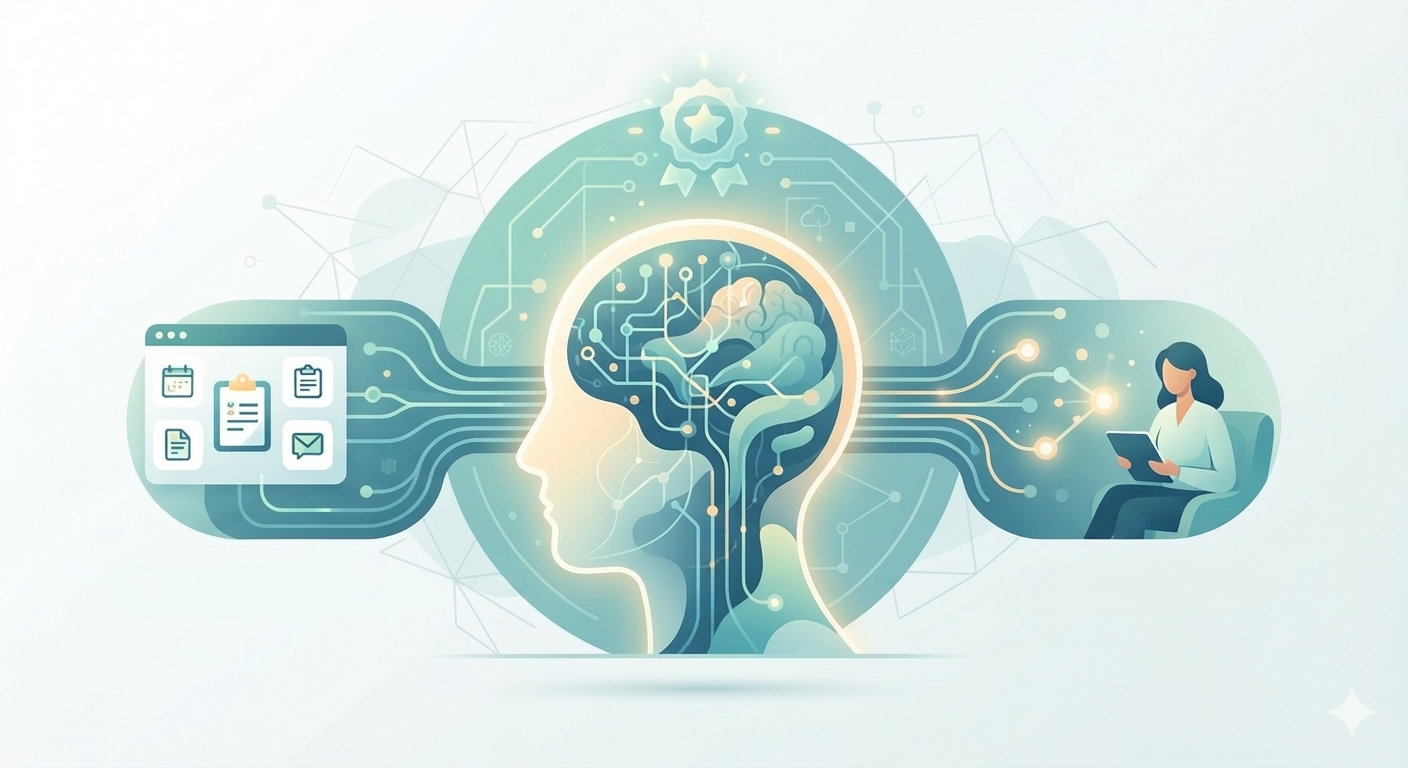
AI is already in Kenya’s classrooms. Is the education system ready?
AI is forcing education institutions to reconsider not only what they teach, but how they teach it.
NAIROBI, Kenya, Aug 27 — The rapid integration of artificial intelligence into Kenyan classrooms is prompting critical questions about whether the nation's education system is ready to adapt. Students are already leveraging generative AI to explain challenging concepts, craft presentations, and manage assignments, while educators are exploring ways to harness the technology to create lesson plans, generate quizzes, and adapt explanations.
However, this AI-driven shift is challenging traditional assessment methods and prompting educators to reconsider their approaches. A 2025 study involving 137 educators from thirteen universities revealed both enthusiasm for AI's potential and concerns about issues such as academic dishonesty, data privacy, accuracy, and over-reliance on the technology.
Topics identified for AI assistance include literature searches, summarising academic material, and generating teaching resources. Meanwhile, Kenya's expansion of digital access in schools, with the distribution of laptops and smart boards, underscores the uneven landscape of access and teacher readiness. UNESCO Director-General Audrey Azoulay cautions that technology should complement rather than replace teachers, emphasizing that "no screen can replace a teacher."
The challenge now lies in developing assessment practices that measure genuine understanding while integrating AI responsibly, requiring both teachers and students to upskill in AI literacy.
Written by urgent.news from Capital FM Kenya's reporting — not their text. Machine-written — may contain errors; check the original before relying on it.