A resilient infrastructure is needed for an ageing population
LETTER: The World Bank estimates that the number of Malaysians aged 65 and above will rise to approximately 5.6 million by 2044, with annual increases of between 130,000 and 210,000 older persons.
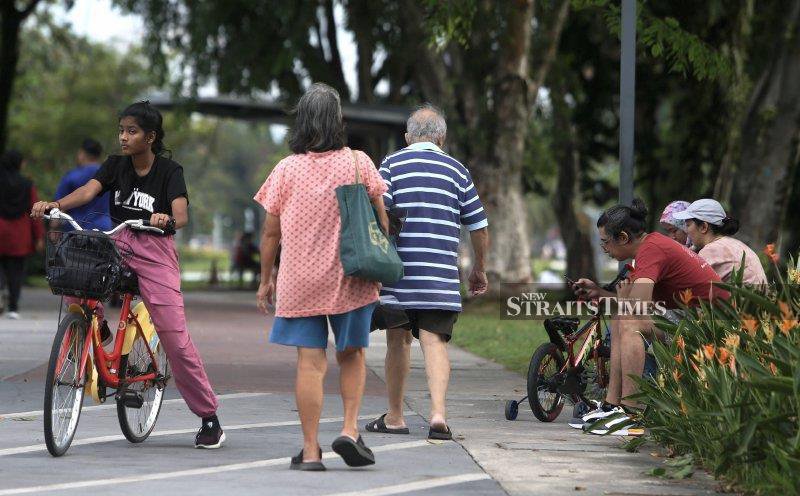
A significant increase in the elderly population in Malaysia is expected by 2044, with the number of people aged 65 and above reaching around 5.6 million. This surge will lead to a substantial rise in the demand for healthcare, social, and long-term care services, necessitating a well-trained and inclusive workforce to support the aging society.
The Malaysian Association of Social Workers' Social Work Profession Bill 2026, passed by the Dewan Rakyat on July 14, aims to formalize social work as a profession and establish standards for accountability, but legislation alone is insufficient. The complexities of filial responsibility and modern social realities need to be addressed through discussions on a potential Parental Care Act.
Malaysia's approach to aging should align with the United Nations Sustainable Development Goals, as aging is an issue that impacts economic productivity, social cohesion, and national resilience. The country must also embrace responsible technology use, integrating comprehensive AI policies into relevant legislation. While Malaysia has time to prepare, the World Bank warns that the transition from an aging society to an aged society will occur within 24 years, outpacing Japan, France, and the United States.
To avoid being unprepared for this aging transition, Malaysia must strengthen healthcare capacity, expand and professionalize social services, support family caregivers, embed ethical AI governance, and enact forward-looking legislation.
Written by urgent.news from New Straits Times's reporting — not their text. Machine-written — may contain errors; check the original before relying on it.