A decades-old friendship, two tea families and the making of India’s first commercial matcha
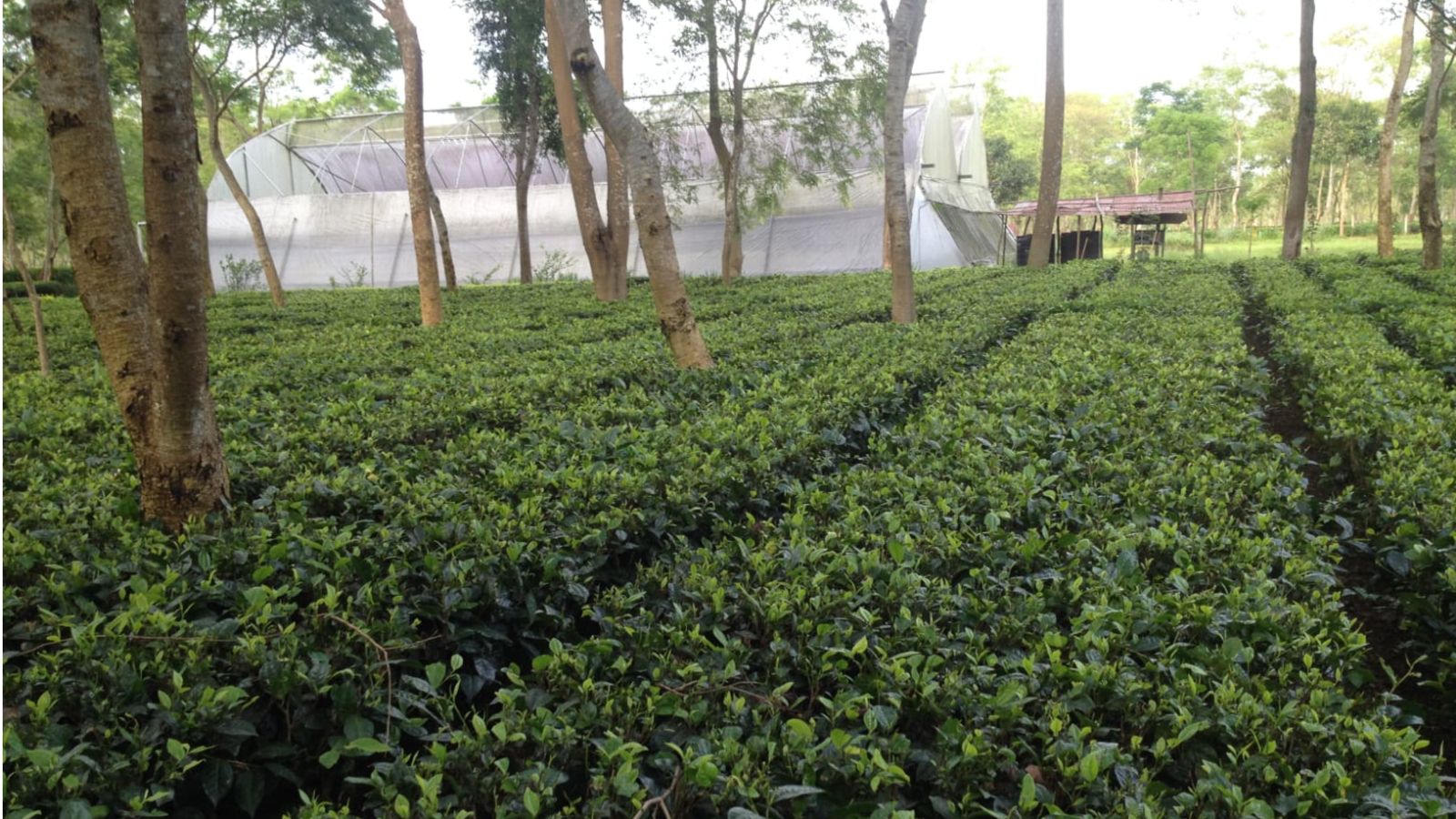
At Chota Tingrai Tea Estate in Assam, hundreds of acres of lush tea plantations can be seen. By 7:30 am, the estate bustles with workers and tea baskets as it begins another day. Inside the factory, however, something different is happening. Assam-grown tea leaves are being transformed into matcha, a tea deeply connected to Japan’s long-standing tea culture and now gaining popularity worldwide.
The concept was conceived by fourth-generation tea planter Mrityunjay Jalan, who studied in Singapore and was introduced to authentic green teas from Japan, China, and Southeast Asia. While green tea was becoming increasingly popular in India, what was being sold as green tea often differed from the teas he had experienced abroad. Jalan wondered if Assam, known for its black tea, could produce something closer to Japan’s green teas.
This inquiry led to an unexpected friendship between two tea-growing families dating back nearly four decades. In the 1980s, Ichiro Hara from Japan’s Ume-no-En tea company visited Assam, meeting Jalan’s father, Mrigendra Jalan, who managed the family business. Their friendship eventually resulted in the creation of Tea Land, a subsidiary of Ume-no-En that processed and sold tea bags using Jalan’s tea. Though the business ended, the friendship endured.
In 2016, Mrigendra Jalan and his son, Mrityunjay, approached the Haras with the idea of producing green tea in Assam. They sought the assistance of a machinery manufacturer to design a reliable production line. Shoji Hara explained, "The Haras began introducing the Jalans to a network of Japanese tea experts, engineers, and machinery manufacturers. Jalan and his team traveled to Japan, and Japanese specialists traveled to Assam."
One of these specialists was Masanori Yanagawa, a Japanese tea expert who spent three years at Chota Tingrai, teaching the team how to make Japanese green tea. However, transforming Assam’s black tea into Japanese green tea and matcha came with challenges. The climate, tea varieties, and cultural practices were vastly different. Yanagawa emphasized the importance of preserving the freshness of the leaves for green tea production, contrasting it with the withering process necessary for black tea.
The team faced numerous trials and errors, with many lessons learned through observation, practice, and repetition. This unique collaboration between two tea families and their Japanese counterparts marked the beginning of a new chapter in India’s tea industry, producing matcha, the centuries-old Japanese tea, commercially for the first time in 2026.
Written by urgent.news from The Indian Express - India's reporting — not their text. Machine-written — may contain errors; check the original before relying on it.
This story
This is one outlet's version. Read the fullest account.