52 km, 5,630 metres, half the oxygen: Why the Kailash yatra is an ordeal
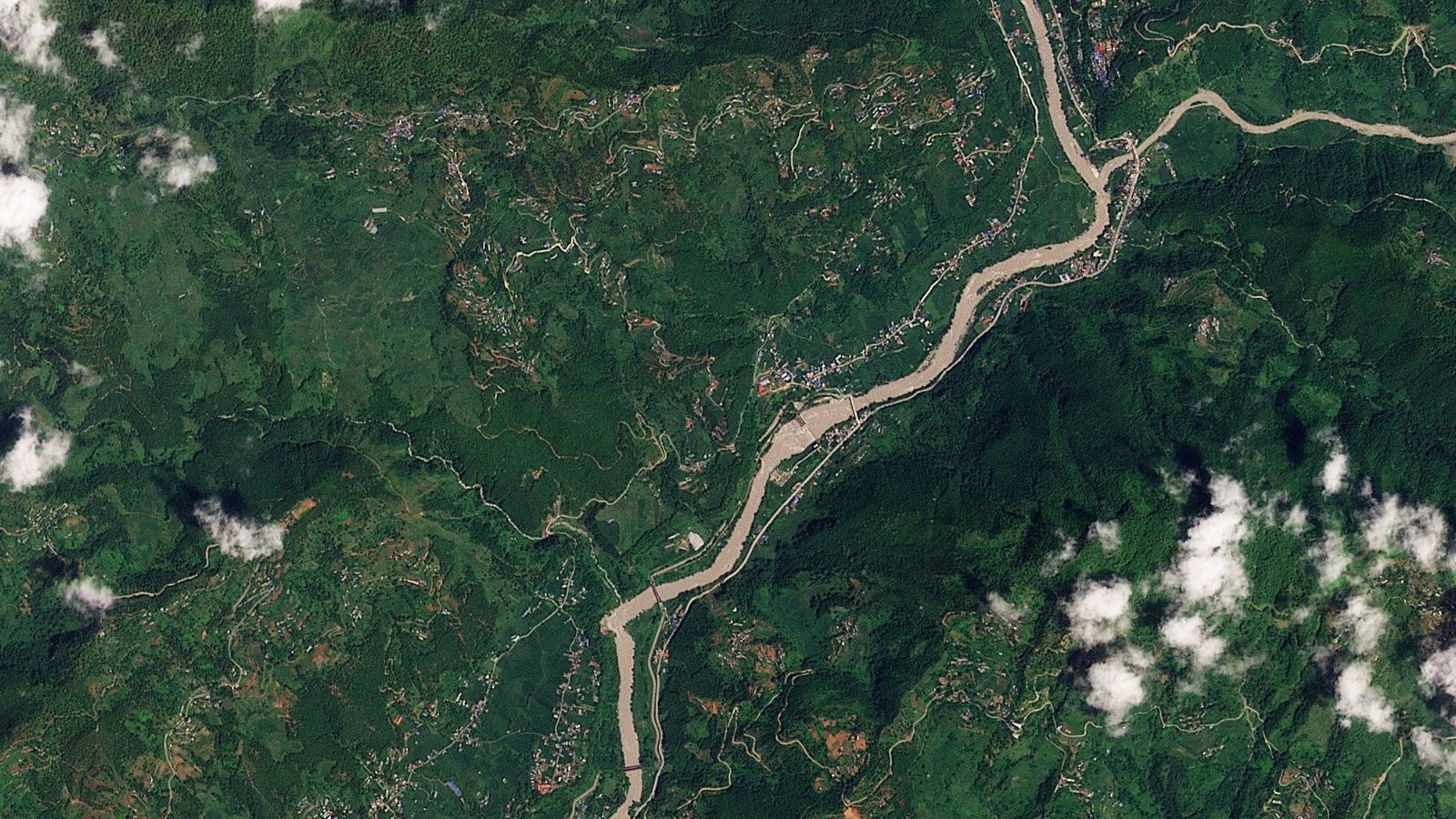
On August 26, 2026, a sudden glacial collapse in the mountains on the Nepal-Tibet border unleashed a torrent of ice and rock into the Bhotekoshi River, causing a devastating flash flood. The flood destroyed infrastructure and swept away villages, effectively halting the Kailash Manasarovar yatra, one of the most sacred pilgrimages for Hindus, Buddhists, Jains, and Bon practitioners.
The flood claimed over 270 lives, with at least 1,300 people still missing, including around 300 Indians, of whom around 100 may have been participating in the yatra. Many pilgrims turned back due to the extreme altitude and challenging terrain, with the Dolma La pass being the highest point on the parikrama and often causing oxygen deprivation.
The Bhotekoshi River corridor was particularly vulnerable, as it was the only way for pilgrims to enter the sacred site, and it had previously experienced a smaller flood that killed nine people in July 2025. The tragic outcome highlights the complex interplay of faith, politics, and geography in the Kailash Manasarovar yatra, where even the most devout pilgrims can be thwarted by natural forces and human-made obstacles.
Written by urgent.news from The Indian Express's reporting — not their text. Machine-written — may contain errors; check the original before relying on it.