50,000 goats once ravaged Hawaii’s Kahoʻolawe island before eradication
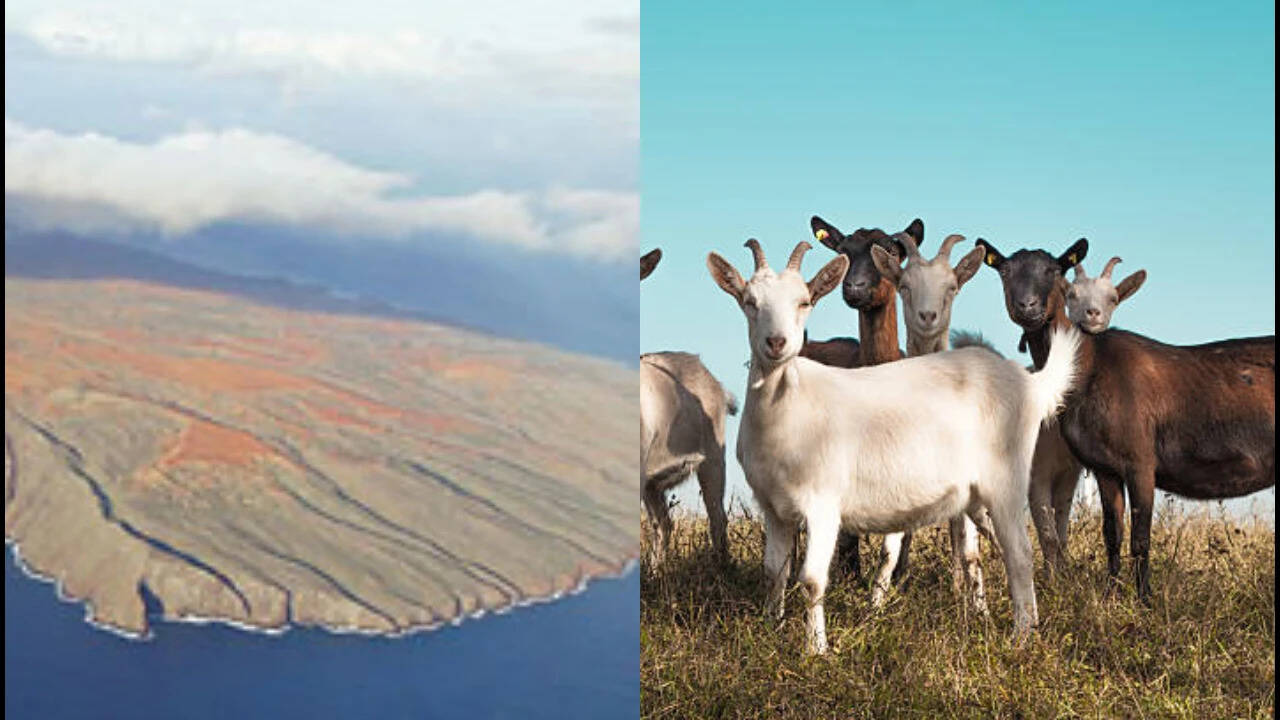
Kahoʻolawe, an island formed by voyagers and sacred traditions, once faced a significant challenge in the form of a massive goat population. Introduced to the island in 1793 as a gift from Captain George Vancouver to Maui chief Kahekili, the goat herd quickly multiplied due to the lack of natural controls. By the late 1890s, the goat population had reached an estimated 50,000, consuming vegetation and causing severe erosion that damaged the island's fragile soils and watersheds.
In addition to the environmental impact, the island had also been used as a bombing range by the military since the attack on Pearl Harbor in 1941. In 1994, ownership of the island was transferred to the State of Hawaii, and efforts began to clear the ordnance and restore the island. After the removal of the last feral goats in 2004, restoration efforts focused on watershed repair, erosion control, and re-establishing native vegetation.
These efforts have been ongoing since 2013, with the Aloha Kahoʻolawe program working to establish sustainable funding for the island's long-term recovery. The transformation of Kahoʻolawe from exploitation and environmental destruction to restoration and cultural renewal is an ongoing process, but the story is beginning to change.
Written by urgent.news from Times of India's reporting — not their text. Machine-written — may contain errors; check the original before relying on it.