Yale researchers find a new way to make PFAS easier to remove and destroy
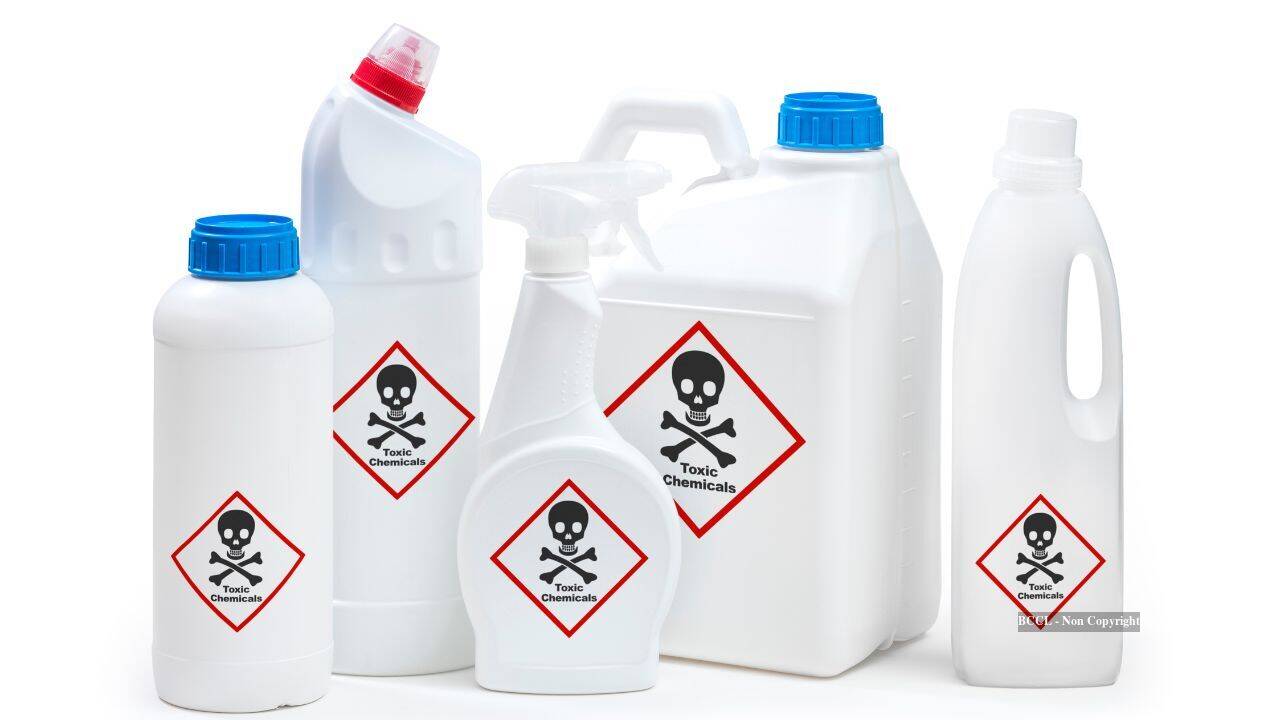
Per- and polyfluoroalkyl substances, often dubbed "forever chemicals" due to their stubborn environmental persistence, are prized for repelling water, oil, and heat in industry. However, their resilience means they linger in soil, water, and living tissue long after use. Yale Engineering doctoral student Susanna Maisto has developed a novel method that not only captures PFAS but chemically re-engineers them, potentially solving a long-standing treatment challenge.
PFAS, a large family of synthetic chemicals, are used in items ranging from nonstick cookware to firefighting foams. Their defining feature is a strong carbon–fluorine bond, making them highly stable yet extremely difficult to break down once released. Current treatment methods largely focus on capturing PFAS rather than destroying them, using techniques like activated carbon filters and reverse osmosis. Both approaches are costly, generate PFAS-laden waste, and fail to eliminate the molecules themselves.
Maisto's breakthrough involves reacting certain PFAS molecules with octanol, a chemical akin to ordinary alcohol. This esterification reaction enlarges the PFAS molecule, making it insoluble in water and easier to separate and destroy. By incorporating this method during the reaction process, the need for two separate treatment steps—removal and destruction—is eliminated, streamlining the overall process.
The method's success hinges on emulsifying PFAS into tiny droplets suspended in water, creating microreactors that facilitate the reaction with octanol. This emulsion-based approach is crucial for performing the chemistry in aqueous environments, where organic reactions typically struggle. The Yale team tested the method across various PFAS types and water conditions, achieving success even in contaminated water with organic matter and salt, albeit with slightly reduced efficiency.
The full treatment process lasts about 24 hours and performs best in concentrated waste streams, such as those from industrial facilities. Maisto emphasizes that the method is designed for point-source treatment, preventing PFAS from entering water supplies in the first place, rather than cleaning already-diluted contamination in municipal water systems.
This aligns with the trend toward source control in PFAS management, aiming to curb contamination at its origin rather than relying solely on end-of-pipe solutions or remediation efforts.
Written by urgent.news from Times of India's reporting — not their text. Machine-written — may contain errors; check the original before relying on it.