Writing the next bible of psychiatry: For the first time, the DSM will use biology to understand mental disorders
The "bible" of clinical psychiatry—the DSM, short for the Diagnostic and Statistical Manual of Mental Disorders—is one of the most popular reference books in psychiatry worldwide. Clinicians use it to diagnose patients, and scientists use it to guide research.

The Diagnostic and Statistical Manual of Mental Disorders, or DSM, is a widely referenced reference book in psychiatry. It provides clinicians with a framework for diagnosing mental illnesses and guiding research. However, the DSM has never previously integrated biological factors into its diagnoses. This lack of biological integration was largely due to the preliminary nature of the underlying biological mechanisms of mental illness.
The most recent version of the DSM, DSM-5, published in 2013, faced criticism for its reliance on subjective measures, which risked medicalizing human suffering and reducing the validity of psychiatric diagnoses. In response, the American Psychiatric Association announced plans to release an updated DSM, incorporating biology and modernizing the manual.
The strategic committee responsible for this integration, of which I was a member between May 2024 and August 2026, took a nuanced approach due to the evolving understanding of mental disorder biology. Biological factors involved in disease development can be physiological, genetic, or biochemical. However, true biological markers—objective measures used to evaluate biological processes—are currently lacking in psychiatry, with the exception of certain proteins used to diagnose Alzheimer's disease.
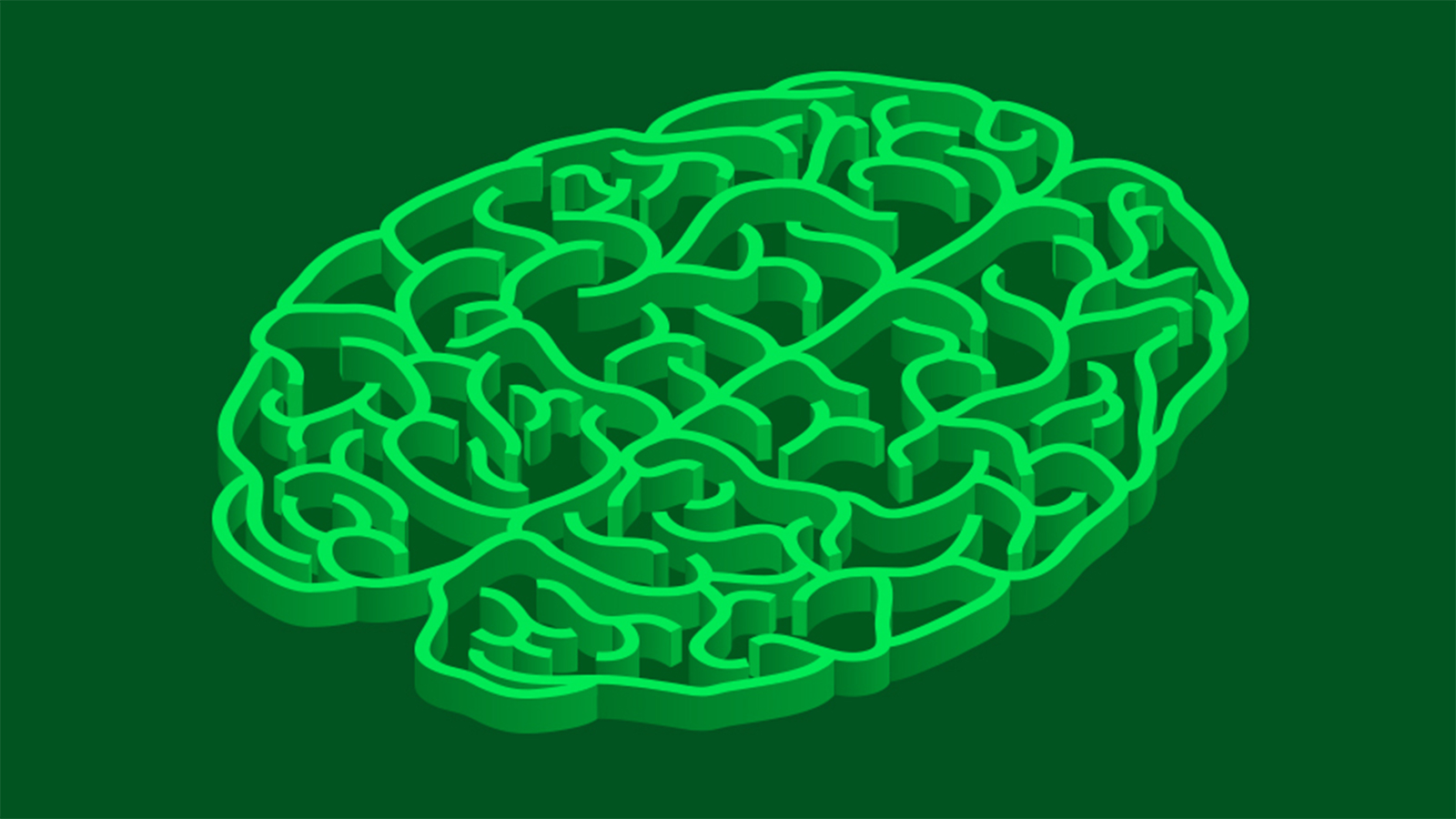
The gap between psychiatry and other medical fields stems from the complexity of mental disorders. They are brain disorders with significant psychological and social components. Risk factors for mental illness include a family history of mental illness and traumatic experiences. These environmental influences make it difficult to separate the effects of biological factors from psychosocial considerations.
Moreover, psychiatric disorders are conceptualized as behavioral syndromes—clusters of overlapping signs and symptoms—rather than discrete illnesses. Conditions such as anxiety and mood disorders, as well as schizophrenia and bipolar disorder with psychosis, share symptoms and often meet criteria for multiple sets of disorders. This suggests that these conditions may be better understood as subgroups sharing different mechanisms and pathways.
While a single biomarker reflecting multiple processes is unrealistic, recent advances in neurobiology hold promise. The first notable advance is the approval of a blood test for Alzheimer's disease biomarkers, marking the first instance of a biomarker for a disorder affecting both the brain and behavior. Additionally, research into immune factors, such as the role of C-reactive protein in depression, offers potential biomarkers for identifying patients who may respond better to specific treatments.
These developments represent significant strides in understanding the biological basis of mental health and pave the way for future advancements in the DSM.
Written by urgent.news from Medical Xpress's reporting — not their text. Machine-written — may contain errors; check the original before relying on it.