We need to stop talking about Other ‘Backward’ ‘Classes’
Thakazhi Sivasankara Pillai's Kayar, a renowned Malayalam novel, portrays social change in central Travancore throughout the 19th and early 20th centuries. The story revolves around multiple generations of Nair and Syrian Christian characters, alongside some Ezhava, Brahmins, Dalits, and Muslim individuals. Interestingly, the novel dedicates only a few pages to the most populous Hindu caste in Kerala, the Ezhavas.
In a rare mention, Thakazhi highlights an important aspect of caste dynamics. Some Nair characters discuss prominent real-life Ezhava families. The patriarch of one such family, holding a hereditary title as channar, is highly educated, extremely wealthy, and deeply orthodox. He adheres to the prescribed distance of unapproachability when encountering a Shudra (Nair) on the road, aiming to ensure "Parayas and Pulayas" (Dalits) move aside for him.
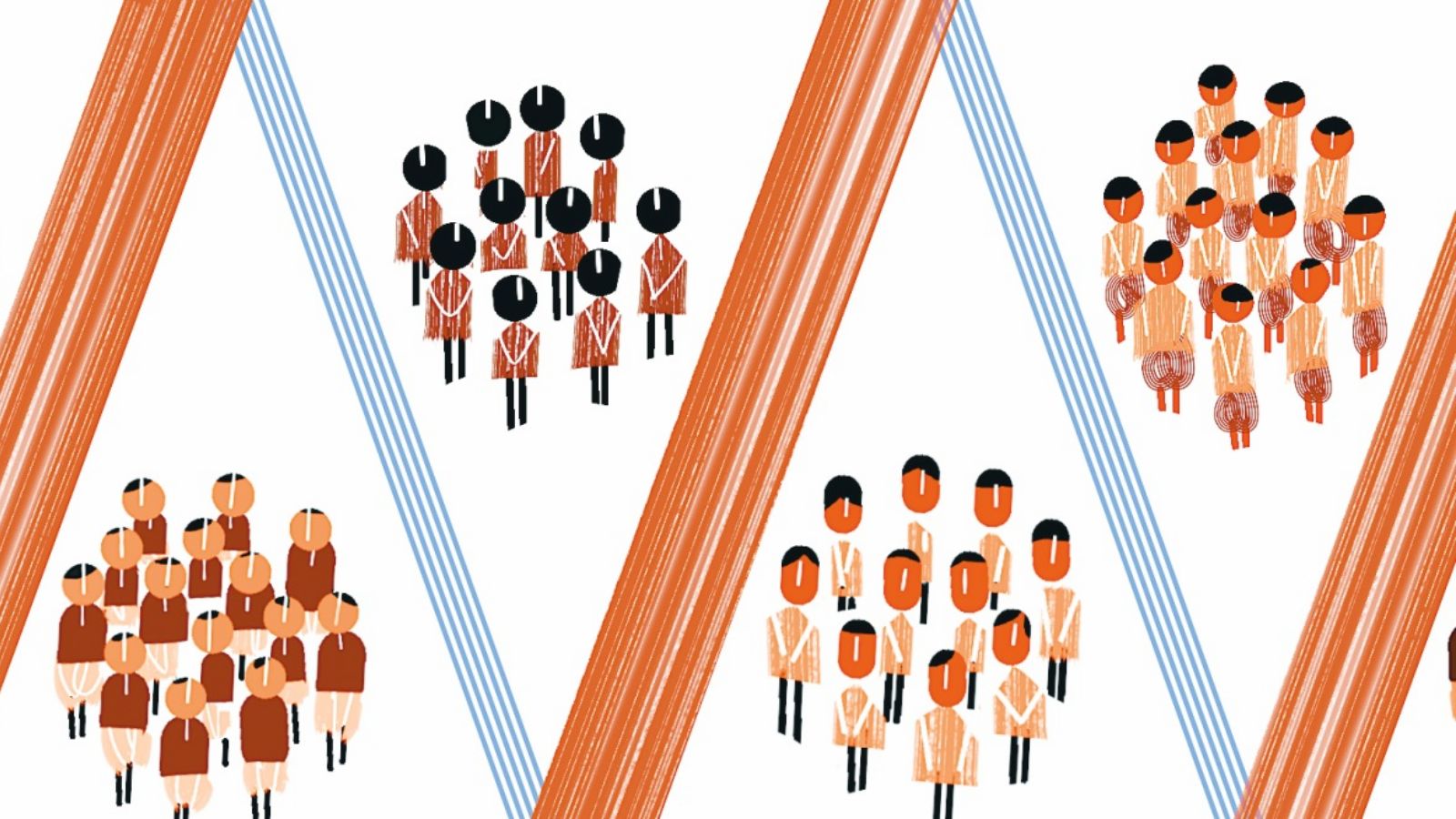
If this channar were alive today, he would likely be classified as an OBC (Other Backward Class), being an Ezhava. However, how "socially and educationally backward" is he? Is he creamy-layer? Very. Shudra? No, as Shudras were often dominant castes in south India. "Untouchable"? Yes. Does that make him a Dalit? Probably not. This example illustrates the incoherence of "backwardness" as a classification system for castes.
When the definition of "backward" includes both former "untouchables" and former kings, such as the caste of Mysore's kings in Karnataka, little coherence remains, as there is no shared experience or identity. Removing the language of "backwardness" and focusing on caste oppression can provide clarity. When discussing caste oppression, it becomes evident which groups are disadvantaged or discriminated against based on their caste and thus require quotas and special protections.
However, the creamy-layer barrier should be removed. The term "class" also needs to be dispensed with, as "Other Backward Classes" should be renamed "Other Oppressed Castes."
Written by urgent.news from The Indian Express's reporting — not their text. Machine-written — may contain errors; check the original before relying on it.