Trump sends Saudi nuclear deal to Congress, keeps Israel normalisation as condition
The United States has submitted a civil nuclear cooperation agreement with Saudi Arabia to Congress. This pact will only proceed if Riyadh agrees to normalize relations with Israel. Congress has ninety days to review the proposed thirty-year agreement for potential nuclear proliferation concerns. The deal facilitates US companies' involvement in Saudi Arabia's nuclear program development. Saudi…
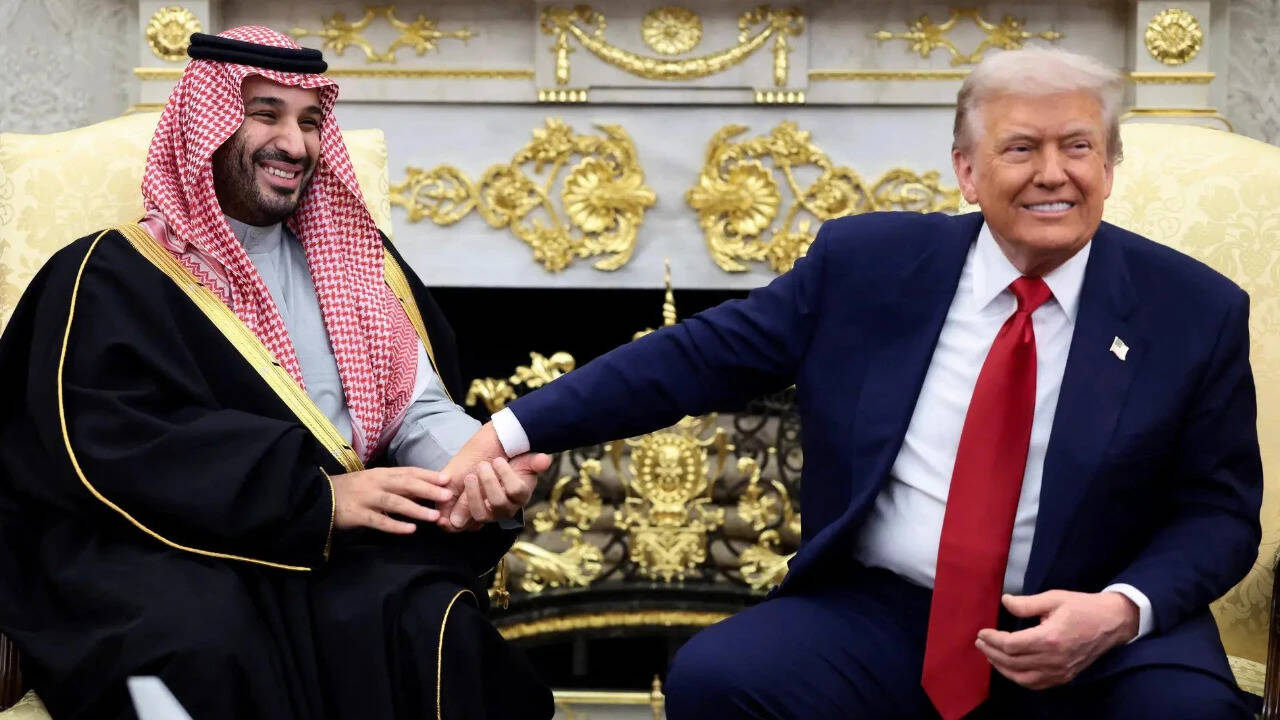
The Trump administration has forwarded a proposed civil nuclear cooperation agreement with Saudi Arabia to Congress for review, contingent on Riyadh's agreement to normalise relations with Israel. This submission of the agreement, under the provisions of the US Atomic Energy Act, recently came to light according to Reuters. The Wall Street Journal was the first to report this move.
The nuclear pact was inked in Washington last month by US Energy Secretary Chris Wright and Saudi Energy Minister Prince Abdulaziz bin Salman. It would enable US firms to play a pivotal role in Saudi Arabia's civilian nuclear program. However, the deal's progress hinges on Saudi Arabia's commitment to the Abraham Accords, the US-led initiative for normalising ties between Israel and Arab and Muslim-majority countries.
Trump had associated the nuclear deal with the Abraham Accords shortly after the agreement's signing in July. He declared that the civil nuclear deal would only be approved if Saudi Arabia joined the Abraham Accords. Upon receiving the agreement, Congress is granted a 90-day review period. If no joint resolution rejecting the pact is passed within this timeframe, it can come into effect without a separate vote in either chamber.
The proposed pact is anticipated to be in effect for 30 years and could involve US firms in Saudi Arabia's nuclear infrastructure development using American technology, including AP1000 reactors.
The agreement has attracted criticism concerning nuclear non-proliferation, with some Democratic lawmakers and non-proliferation advocates arguing that it fails to prevent Saudi Arabia from enriching uranium or reprocessing nuclear waste, which could potentially facilitate the creation of nuclear weapons. The United Arab Emirates, in contrast, agreed to such restrictions in its 2009 civil nuclear agreement with the US.
The Trump administration maintains that the Saudi agreement complies with the non-proliferation measures under US law. However, Saudi Arabia's stance on Palestinian statehood, a prerequisite for normalising relations with Israel, poses a significant hurdle to the agreement's progress. Israeli Prime Minister Benjamin Netanyahu opposes Palestinian statehood due to concerns over Israel's security.
Despite this, the Trump administration has proceeded to expand the Abraham Accords, while Saudi Arabia has remained steadfast in its refusal to join the framework.
Written by urgent.news from Times of India's reporting — not their text. Machine-written — may contain errors; check the original before relying on it.