Trump Plans to Buy Midterm Ads About His Own Record
Some Republicans welcome his involvement but whether voters will is another question.
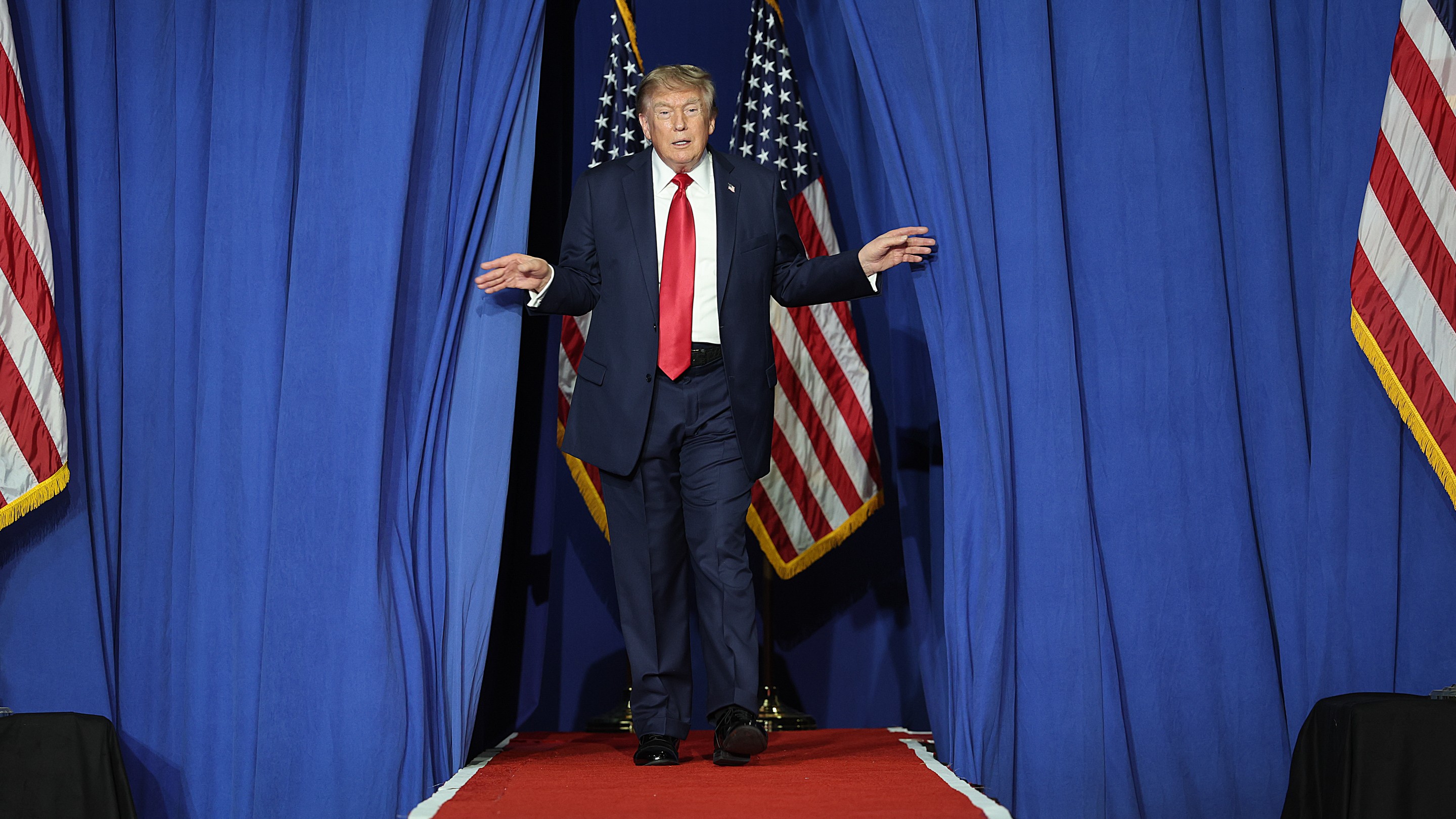
President Trump convened his top political advisers in the Oval Office to tackle a pressing issue: how to allocate his super PAC's $400 million budget with less than 100 days remaining before the midterm elections. Strategists expressed concern over Trump's low approval ratings and voter dissatisfaction regarding the economy. One attendee noted, "When the issues you campaign on don't resonate with voters—or when they're angry about those issues—the question becomes: What do you campaign on?"
Some GOP strategists favored concentrating on specific races to showcase individual candidates and local concerns. However, Trump rejected this idea. House and Senate Democrats were expected to frame their fall campaigns against him. Trump's advisers pointed out that this was because voters were largely unaware of his accomplishments—such as market highs, reduced fentanyl deaths, the "sealed" southern border, and increased domestic manufacturing.
In response, Trump decided to embrace the Democratic strategy of focusing on himself. He ordered a series of television advertisements highlighting his own record, which would serve as a backdrop to the numerous House and Senate contests. The president urged his team to use his own statements as the foundation for these ads, saying, "Go look at the clips.
I cite accomplishments all the time." This decision resulted in a Trump-ad blitz for the midterms, which is set to be rolled out soon by MAGA Inc., the main hub for Trump's political fundraising.
Most of MAGA Inc.'s spending will focus on targeted House and Senate races, with teams reviewing polling, voter modeling, and message testing. While some believe highlighting Trump's achievements is a wise move, others argue that it may backfire, as it could aid Democrats in making each race about national issues. This strategy mirrors President Biden's decision in 2023 to run ads showcasing his legislative record ahead of his reelection bid. However, Trump is not on the ballot, which introduces new risks.
The political climate resembles that faced by Democrats in 2010 and 2022, when voters were frustrated with their parties over the 2008 financial crisis and the COVID-19 pandemic, respectively. However, the situation is unique, with voters currently expressing anxiety about inflation, concerns over Trump's Iran war, and frustration with government corruption.
Even though economic approval ratings have plummeted in recent months, Republican political consultants worry about the triumphant tone of Trump's economic messaging. Democrats face a similar challenge of connecting with voters who know their economic situation has not improved.
Written by urgent.news from The Atlantic's reporting — not their text. Machine-written — may contain errors; check the original before relying on it.