The South China Sea and the Philippines’ Defense Strategies
Insights from Su Mon and Tomas Buenaventura.
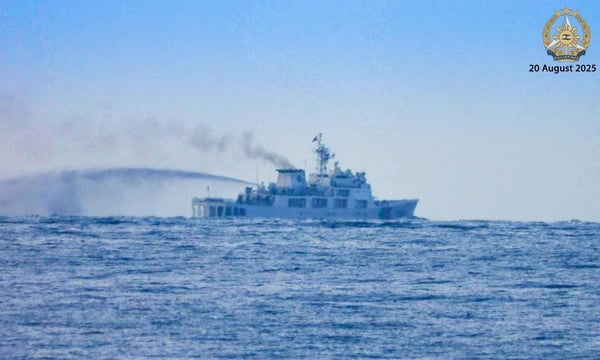
The South China Sea's growing security environment is characterized by the normalization of gray zone tactics and rapid militarization, driven by ACLED data showing a 490% increase in Chinese force movements in the first half of 2026. This escalation is particularly concentrated in the Philippines' Exclusive Economic Zone (EEZ), surrounding Scarborough Shoal, Sabina Shoal, and Thitu Island.
These force movements, including Chinese coast guard deployments and maritime militia, often lead to frequent encounters, ranging from harassment to blocking maneuvers and competing law enforcement operations.
The tactics employed by China, known as gray zone operations, are not necessarily intended to spark an immediate war but instead gradually normalize coercion through persistent, incremental actions. These include the deployment of maritime militia and coast guard vessels, which steadily shift the status quo and redefine "normal" maritime activity. This creates a dangerous environment where the primary risk is miscalculation, as these tactics blur strategic intent and erode the trust needed to manage crises.
Key developments include the tense situation at Scarborough Shoal, where China has maintained a constant presence since 2012 despite falling within the Philippines' EEZ. Beijing has conducted frequent blockages, ramming, and water cannon use against Philippine vessels, with tensions escalating since the designation of the shoal as a national "nature reserve" in September 2025.
The Spratly Islands present a more complex security environment involving competing claims from multiple states, with immediate flashpoints and gradual strategic military expansion. Second Thomas Shoal remains volatile, with both sides contesting acceptable military presence.
The United States-Philippines Mutual Defense Treaty (MDT) obligates both countries to defend each other in case of an armed attack in the Pacific region. However, China's gray zone tactics pose a risk, as they closely approach the trigger for the MDT. While China's activities aim to pressure the Philippines while avoiding armed conflict with the U.S., the nature of these tactics means the risk of a lethal accident is never zero.
Written by urgent.news from The Diplomat's reporting — not their text. Machine-written — may contain errors; check the original before relying on it.