The German Far Right Is Poised for a Breakthrough
The AfD could do something next month that would mark a first in the country’s postwar history.
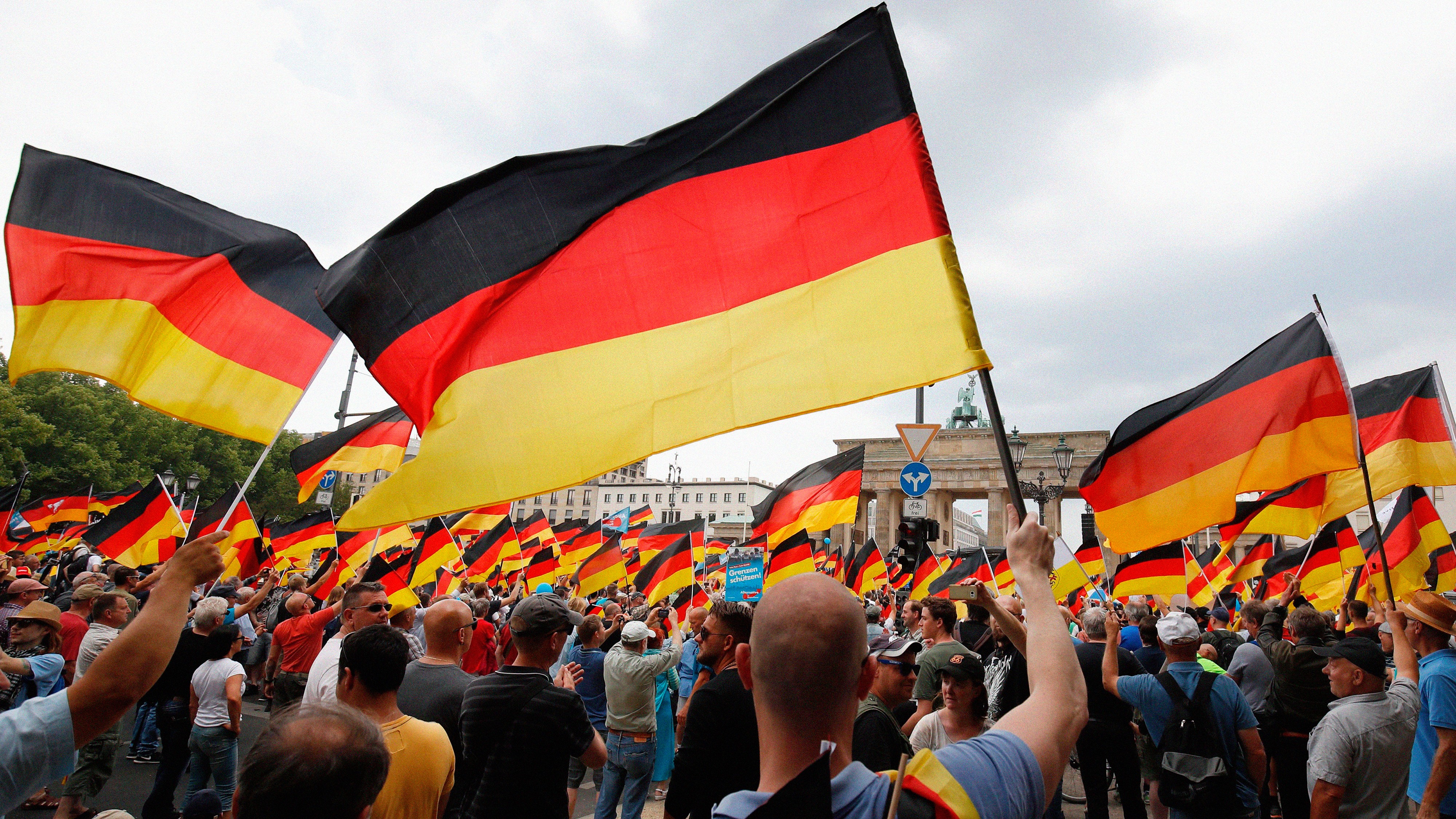
In a world seemingly immune to extremism, Germany now finds itself wrestling with a resurgence of far-right politics. The Alternative for Germany party, or AfD, is poised for a breakthrough, with projections indicating they could win an upcoming election in Saxony-Anhalt, a state of 2 million inhabitants. The AfD, founded in 2013 as a euroskeptic party, has become the country's leading right-wing force, gaining the support of more than a quarter of voters in recent polls.
The party's rise is driven by a mix of factors, including voters who support its hard-right agenda and those who view it as a means of expressing dissent against elite institutions. Germany's domestic intelligence agency has classified the AfD's branch in Saxony-Anhalt as a right-wing extremist group. The country's history of grappling with extremism—dating back to the rise of National Socialism—has made this turn of events particularly troubling.
The Christian Democratic Union, currently led by Chancellor Friedrich Merz, faces a difficult choice: cooperate with the AfD or align with the far-left party Die Linke. The party's 2018 incompatibility resolution prohibits working with either extreme faction. Experts warn that if the AfD does win a majority in Saxony-Anhalt, the policies implemented could serve as a testing ground for far-right ideologies across Germany.
Written by urgent.news from The Atlantic's reporting — not their text. Machine-written — may contain errors; check the original before relying on it.