The forgotten Jewish revolt that erased a civilization
Between the First and Second known revolts against Rome was another, by Jews outside Israel. Few sources survive but those that do describe the horror, on the Roman side
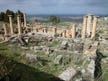
Between the Great Revolt of 66 C.E. and Bar Kokhba's rebellion in 132 C.E., a third Jewish uprising against the Roman Empire took place in the early 2nd century. This conflict, largely forgotten, occurred while Trajan led campaigns against the Parthians. Jewish communities in Cyrene, Egypt, Cyprus, and Mesopotamia rose against Rome, but the revolts were swiftly crushed by Roman forces.
Despite the obscurity surrounding this war, historian Miriam Pucci Ben Zeev found 86 separate testimonies, including inscriptions, papyri, and texts from various sources. The most famous account comes from Cassius Dio, who mentions the Jewish revolts in three sentences, describing atrocities like cannibalism and mass killings. Eusebius of Caesarea provides more details, naming leaders like Andreas, Loukouas, and Lusius, and detailing Roman responses such as sending generals Marcius Turbo and Lusius Quietus to quell the revolts.
Egyptian papyri and Cyrenaican inscriptions offer additional evidence, though many entries are brief and lack direct Jewish testimonies. The revolt's impact is clear in the devastation it caused to Jewish communities across the eastern Mediterranean, leaving an enduring legacy of destruction and loss.
Written by urgent.news from Haaretz's reporting — not their text. Machine-written — may contain errors; check the original before relying on it.