The Colorado River Basin Is Running Out of Water. Not Everyone Is Happy with the Government’s Suggested Solution.
Though overallocation is one reason the river is shrinking, reduced snowpack and increased evaporation caused by climate change are also contributing factors.
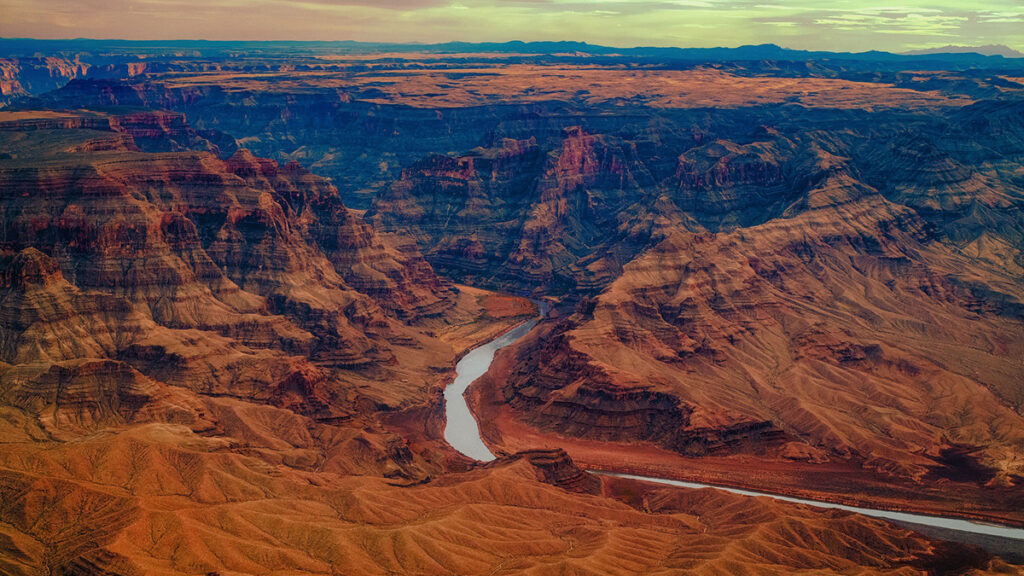
The Colorado River, a vital source of water for approximately 40 million individuals and 30 Native American tribes across seven states and two nations, is facing severe water shortages. The situation has reached critical levels, with Lake Mead, the largest reservoir in the United States, currently holding just 27% of its maximum capacity and dropping by over 20 feet since the beginning of 2026. The lower levels are attributed to overallocation, reduced snowpack, and increased evaporation due to climate change.
In an effort to address the crisis, the Department of the Interior (DOI) has released a record of decision outlining what to do about the ongoing water cuts for the next two years. The Lower Basin states, including Arizona, California, and Nevada, have been ordered to reduce their water usage by 1.25 million acre-feet. This represents a 21% reduction, but the cuts could potentially increase in the future. The Upper Basin states, which include Colorado, New Mexico, Utah, and Wyoming, are not facing any water cuts.
While the decision aims to stabilize the situation in the short term, experts remain skeptical about its long-term effectiveness. John Berggren from Western Resource Advocates stated that while the guidelines provide some certainty in operations, they do not ensure the river's future sustainability or resilience. The authority hopes that the implementation of these measures will provide a temporary reprieve, but the system is still very vulnerable to further bad weather years that could completely collapse the entire system.
Written by urgent.news from Eos's reporting — not their text. Machine-written — may contain errors; check the original before relying on it.